Search
for
Sort by
Research
720-750 / 1000+ results
research Alleviation of Multidrug Resistance by Flavonoid and Non-Flavonoid Compounds in Breast, Lung, Colorectal and Prostate Cancer
Some natural compounds may help overcome drug resistance in certain cancers, but more research is needed.

research Successful treatment with upadacitinib in concurrent atopic dermatitis, Crohn’s disease, alopecia areata, and eosinophilic gastropathy in a pediatric patient
Upadacitinib improved symptoms and hair regrowth in a teen with multiple autoimmune conditions.

research Improvement in health‐related quality of life and symptoms of anxiety and depression in patients with alopecia areata randomized to baricitinib or placebo: Results from two international randomized controlled trials
Patients with severe alopecia areata felt better and less anxious or depressed when treated with baricitinib compared to placebo.

research Kinetic analysis of LY320236: competitive inhibitor of type I and non-competitive inhibitor of type II human steroid 5α-reductase
LY320236 is a strong blocker of two enzymes that change testosterone into dihydrotestosterone and might help treat conditions related to male hormones.

research Alopecia Areata – Effects of Treatment with Upadacitinib – Two Case Reports
Upadacitinib can effectively regrow hair in alopecia areata patients without worsening sarcoidosis.

research A new era for alopecia areata: New treatments and improved knowledge of the condition
Baricitinib effectively promotes long-term hair regrowth in alopecia areata patients.
research Chemotherapy-Induced Alopecia
Imuvert can prevent some chemotherapy-induced hair loss.
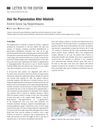
research Hair Re-Pigmentation After Nilotinib
Nilotinib may cause gray hair to return to its original color.

research Hair loss and Hedgehog inhibitors: a class effect?
Hedgehog pathway inhibitors used for skin cancer can cause significant hair loss, which may improve after stopping the medication.
research Application of Scaffold-Based Drug Delivery in Oral Cancer Treatment: A Novel Approach
Scaffold-based drug delivery systems improve oral cancer treatment by targeting drugs directly to cancer cells, reducing side effects.

research Enzalutamide, a prostate cancer therapeutic, downregulates TMPRSS2 in lung and reduces cellular entry of SARS-CoV-2
Enzalutamide, a prostate cancer drug, may help prevent COVID-19 by blocking the virus from entering lung cells.

research Characterizing Loss of Response Occurring in a Small Number of Patients During 3 Years of Long-Term Maintenance Therapy with Baricitinib 4-mg: Results From BRAVE-AA1 and -AA2 Trials
Some patients on Baricitinib for alopecia areata lost response, often linked to longer and more severe initial conditions.
research Barraquer–Simons syndrome with benign infundibulocystic proliferation
Pimozide treatment resolved cysts and partially restored cheek fat in a man with Barraquer–Simons syndrome.

research Comparison of the Treatment Outcome of Oral Tofacitinib with Other Conventional Therapies in Refractory Alopecia Totalis and Universalis: A Retrospective Study
Tofacitinib works better and is more tolerable for severe alopecia than conventional treatments and DPCP immunotherapy.

research Topical Ruxolitinib in Combination with Oral Minoxidil Results in Hair Regrowth in a Patient with Central Centrifugal Cicatricial Alopecia and Concomitant Traction Alopecia
Topical ruxolitinib and oral minoxidil together can regrow hair in certain types of hair loss.
research Strong efficacy of ritlecitinib 50 mg and baricitinib 4 mg in alopecia areata, but further research needed to establish superiority
Ritlecitinib and baricitinib are effective for alopecia areata, but more research is needed to determine which is better.
research Remission in Cushing disease with cabergoline
Cabergoline helped a boy with Cushing disease get better after surgery and radiotherapy didn't work.
research Effect of adenosine triphosphate on ribociclib-induced skin toxicity in rats
research A 52-Week Real-Life Study of Baricitinib in Moderate to Severe Alopecia Areata: Clinical, Trichoscopic Assessment and Patient Reported Outcomes
Baricitinib significantly improved hair regrowth and quality of life in severe alopecia areata patients.

research Combination of baricitinib and conventional immunomodulating therapy for alopecia totalis
Baricitinib combined with other immune therapies may safely and effectively treat severe scalp hair loss.

research Hairy tongue associated with the use of baricitinib therapy for ophiasis pattern alopecia areata
A woman's hair grew back with baricitinib treatment, but she developed a temporary hairy tongue that was treated with regular tongue brushing.

research Tofacitinib in the Recalcitrant Cases of Alopecia Areata: A Pilot Study
Tofacitinib effectively promotes hair regrowth in alopecia areata with minimal side effects.

research Dual blockage of P-cadherin and c-Met synergistically inhibits the growth of head and neck cancer
Blocking both P-cadherin and c-Met can effectively stop head and neck cancer growth.

research A new way to restore tumour suppressor function
New treatments may restore cancer-blocking proteins, slow prostate cancer, identify drug targets, and potentially regrow hair.
research Highlights from Recent Cancer Literature
Recent findings advanced understanding of cancer mechanisms and potential treatments.

research Retrospective cohort study of CDK4/6-inhibitor-induced alopecia in patients with breast cancer.
CDK4/6 inhibitors may cause hair loss in breast cancer patients.
research From joint pains to hair gains: baricitinib’s double duty for rheumatoid arthritis and alopecia areata
Baricitinib effectively treats both rheumatoid arthritis and alopecia areata.
research Two cases in which tofacitinib effectively treated both ulcerative colitis and alopecia areata
Tofacitinib effectively treated both ulcerative colitis and alopecia areata in two patients.