17 citations
,
October 2015 in “The Journal of Physiology” Combining progesterone with caffeine worsens breathing issues in newborns.
15 citations
,
June 1996 in “Journal of Pharmacy and Pharmacology” Caffeine levels in hair and blood can indicate liver health.
 12 citations
,
April 2020 in “British Journal of Dermatology”
12 citations
,
April 2020 in “British Journal of Dermatology” Caffeine may help reduce stress-induced hair loss.
 12 citations
,
December 2023 in “Journal of Applied Pharmaceutical Sciences and Research”
12 citations
,
December 2023 in “Journal of Applied Pharmaceutical Sciences and Research” Caffeine boosts alertness, helps breathing, acts as a diuretic, and may aid cancer treatment.
 5 citations
,
November 2021 in “Frontiers in Cell and Developmental Biology”
5 citations
,
November 2021 in “Frontiers in Cell and Developmental Biology” Caffeine can damage hearing cells and affect hearing recovery after ear trauma.
 4 citations
,
February 2022 in “Journal of Pharmaceutical and Biomedical Analysis”
4 citations
,
February 2022 in “Journal of Pharmaceutical and Biomedical Analysis” The conclusion is that a new method can measure caffeine and drugs in hair, finding caffeine abusers have 70 times more caffeine than normal, with a proposed cut-off value for abuse.
4 citations
,
September 1999 in “Journal of Clinical Forensic Medicine” Caffeine in hair might help identify people, but it's not always reliable.
2 citations
,
January 2022 in “Materials today: proceedings” Caffeine may be good for hair growth and skin care because it binds well with keratin.
 1 citations
,
August 2020 in “British Journal of Dermatology”
1 citations
,
August 2020 in “British Journal of Dermatology” Caffeine may protect hair follicles from stress-related hair loss.
1 citations
,
February 2020 in “PubMed” The topical solution improved hair density and appearance in men with androgenetic alopecia.
 May 2026 in “Jurnal Riset Kefarmasian Indonesia”
 Robusta coffee beans have high caffeine content, useful for products like hair growth stimulants.
January 2026 in “British Journal of Dermatology” Caffeine and DMG increase calcium influx in hair follicle cells without being toxic.
 October 2025 in “Journal of Drugs in Dermatology”
 Topical caffeine can help with hair growth and reduce hair loss safely.
 June 2025 in “Current Issues in Molecular Biology”
 Minoxidil, caffeine, and biotin can improve hair shine by restoring certain genes.

TrichoSol™ effectively stabilizes various hair treatment ingredients for different durations.
 December 2024 in “http://isrctn.com/”
 MpowerTM may improve hair growth and satisfaction more than plain minoxidil, with mild side effects.
 May 2024 in “Journal of cosmetic dermatology”
 A shampoo with caffeine and adenosine may help prevent hair loss and thicken hair.

TrichoFoam™ is a stable option for personalized hair loss treatment with most ingredients remaining effective for 90-180 days.
 January 2024 in “Indonesian Journal of Pharmaceutical Education”
 The Caffein Herbasome® cream is stable and suitable for skin use.

Red clover and caffeine both promote hair growth, but combining them doesn't enhance the effect.
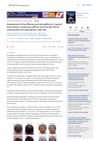 November 2023 in “Journal of Cosmetic Dermatology”
 The topical treatment with caffeine and Procapil 3% improved male pattern hair loss and was well tolerated after 12 weeks.
 September 2023 in “Journal of The American Academy of Dermatology”
 Caffeine may help hair grow better.

Cinchona succirubra extract with caffeine reduces hair loss and strengthens hair.
 April 2023 in “Journal of Investigative Dermatology”
 Cinchona succirubra extract with caffeine improves hair growth and reduces hair loss.
 July 2022 in “http://isrctn.com/”
 Adding a cosmetic gel with caffeine, taurine, and growth factors to standard hair loss treatments could improve results.
 July 2022 in “International Journal of Applied Pharmaceutics”
 The optimized caffeine formula improved hair growth and penetrated all skin layers.
 November 2021 in “Research Square (Research Square)”
 The new caffeine cream works better for hair growth than existing products.
 December 2020 in “Journal of Cosmetic Science”
 The caffeine content in anticellulite gels is 0.7-1.7% and in hair-care products is about 1.0%.
 April 2019 in “Journal of Investigative Dermatology”
 Caffeine can protect scalp hair follicles from damage caused by UV radiation.

The optimal concentration for caffeine release in gel form is 0.2% caffeine and 2.3% chitosan.