 87 citations
,
December 2016 in “British journal of dermatology/British journal of dermatology, Supplement”
87 citations
,
December 2016 in “British journal of dermatology/British journal of dermatology, Supplement” Cancer patients treated with immune checkpoint inhibitors may develop alopecia, but some hair regrowth is possible with treatment.
 February 2023 in “Journal of Korean Medical Association”
 Targeted cancer therapies can cause new side effects, requiring careful monitoring and management to ensure patient safety.
 17 citations
,
January 2010 in “International journal of trichology”
17 citations
,
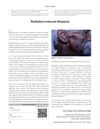
January 2010 in “International journal of trichology” A man experienced hair loss from radiotherapy, which can be temporary or permanent depending on radiation dose, with potential treatments available.
 72 citations
,
October 1998 in “Baillière's clinical endocrinology and metabolism”
72 citations
,
October 1998 in “Baillière's clinical endocrinology and metabolism” Long-term testosterone therapy can cause hormone suppression, affect prostate and heart health, and alter physical characteristics, but does not increase prostate cancer risk and needs more research for full risk assessment.
 1 citations
,
September 2024 in “International Journal of Advanced Multidisciplinary Research and Studies”
1 citations
,
September 2024 in “International Journal of Advanced Multidisciplinary Research and Studies” Chemotherapy with carboplatin-paclitaxel causes hair loss in all patients.
 December 2023 in “International journal of multidisciplinary research and analysis”
 SH-MSCs gel can effectively treat alopecia by increasing IL-10 and decreasing TNF-α gene expression.
 January 2019 in “Springer eBooks”
 Some chemicals and drugs can cause hair loss, which usually grows back after stopping the treatment.
 21 citations
,
March 2015 in “Journal of The American Academy of Dermatology”
21 citations
,
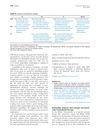
March 2015 in “Journal of The American Academy of Dermatology” Vemurafenib therapy can cause hair loss, but clobetasol propionate foam can help regrow hair.
 48 citations
,
September 2013 in “Oncologist”
48 citations
,
September 2013 in “Oncologist” Endocrine therapies for cancer significantly increase the risk of hair loss.
4 citations
,
February 2018 in “World journal of surgical oncology” A young woman with kidney cancer experienced rare hair loss from a cancer drug and unusual cancer spread, suggesting early drug treatment might reduce spread and prolong survival.
 13 citations
,
April 2016 in “Journal of Dermatology”
13 citations
,
April 2016 in “Journal of Dermatology” 308-nm excimer light therapy helped over a third of treatment-resistant alopecia universalis patients regrow most of their hair.
 13 citations
,
September 2019 in “EBioMedicine”
13 citations
,
September 2019 in “EBioMedicine” sPLA2-IIA increases growth in hair follicle stem cells and cancer cells, suggesting it could be targeted for hair growth and cancer treatment.
Phyla nodiflora contains compounds that may help treat diabetes, hair loss, cancer, and fluid retention.
 April 2013 in “Cancer Research”
 A botanical extract was found to be a safe treatment that may prevent hair loss in chemotherapy patients.
 3 citations
,
November 2018 in “Oncology issues”
3 citations
,
November 2018 in “Oncology issues” Cancer survivors often experience worse skin problems from treatment than expected, and working with dermatologists could help improve their condition.
1 citations
,
November 2022 in “Journal of Investigative Dermatology” ALRN-6924 may prevent hair loss caused by chemotherapy.
28 citations
,
January 2017 in “Obstetrician & gynaecologist/The obstetrician & gynaecologist” The document concludes that managing PCOS effectively requires considering ethnic differences, obesity's impact, and ethical concerns in treatment approaches.
 May 2024 in “Deleted Journal”
 Cancer treatments can cause hair loss, but it is often reversible and can be managed with scalp cooling and support.
85 citations
,
January 1996 in “International Journal of Cancer” AS101 reduces hair loss from chemotherapy.
March 2026 in “JPRAS Open” Exosome therapy for hair loss shows promise but needs standardized methods and safety checks for clinical use.
November 2025 in “JPRAS Open” Exosome therapy could help with hair loss, but more research and regulation are needed.
 13 citations
,
September 2019 in “Clinical, Cosmetic and Investigational Dermatology”
13 citations
,
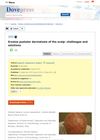
September 2019 in “Clinical, Cosmetic and Investigational Dermatology” Early treatment of EPDS can improve outcomes and reduce recurrence risk.
1 citations
,
July 2014 in “The journal of investigative dermatology/Journal of investigative dermatology” Light affects skin health, aging, and cancer risk, and new light-based treatments and imaging are promising for skin care.
110 citations
,
February 2024 in “Journal of Chemical Information and Modeling” PandaOmics uses AI to find new disease treatment targets and biomarkers.
 September 2022 in “Polish Hyperbaric Research”
 Some treatments for hair loss, like finasteride, biotin, and minoxidil, can be effective, but their success varies by individual case.
 7 citations
,
March 2023 in “Antioxidants”
7 citations
,
March 2023 in “Antioxidants” Rosemary may help treat various skin conditions due to its antioxidant and anti-inflammatory properties.
 September 2025 in “PubMed”
 Prevent persistent hair loss after chemotherapy with scalp cooling and early minoxidil use.
 August 2024 in “Drug Design Development and Therapy”
 Decursin shows promise for treating cancer, neuroprotection, inflammation, and hair loss.
 February 2024 in “Scientific Reports”
 Topical minoxidil and dietary supplements improved hair regrowth in children with hair loss from chemotherapy.
 3 citations
,
June 2023 in “The journal of investigative dermatology/Journal of investigative dermatology”
3 citations
,
June 2023 in “The journal of investigative dermatology/Journal of investigative dermatology” The conclusion suggests that focusing on certain cellular pathways may improve the prevention and repair of hair loss caused by radiotherapy.