 1 citations
,
December 2010 in “The journal of small animal practice/Journal of small animal practice”
1 citations
,
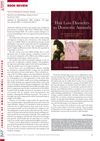
December 2010 in “The journal of small animal practice/Journal of small animal practice” The book helps veterinarians understand and treat hair loss in animals.
August 2004 in “Veterinary Dermatology” Adult-onset hair loss in Chesapeake Bay retrievers may be linked to abnormal adrenal hormone production.
 March 2023 in “Journal of Veterinary Medicine and Animal Health”
 The fly larvae infestation caused severe skin damage and health issues in Kenyan dogs.
March 2020 in “The Thai Journal of Veterinary Medicine” A Thai Bangkaew dog with diabetes and pancreatic issues improved with insulin, enzymes, and vitamins.
 April 2018 in “Asian-Australasian journal of bioscience and biotechnology”
 The study concluded that tick infestation was the most common skin problem in hospitalized dogs in Chennai, with various treatments used for different conditions.
 1 citations
,
June 2022 in “Zagazig Veterinary Journal/Zagazig Veterinary Journal (Online)”
1 citations
,
June 2022 in “Zagazig Veterinary Journal/Zagazig Veterinary Journal (Online)” Alopecia in dogs is often caused by mange, flea and tick infestations, and nutritional deficiencies, especially in males and young dogs.
 5 citations
,
June 2015 in “Veterinary dermatology”
5 citations
,
June 2015 in “Veterinary dermatology” A dog with complete hair loss regrew most hair after treatment, with no relapse after stopping treatment.
 May 2021 in “British Small Animal Veterinary Association eBooks”
 If a dog's skin tests are normal but it has hair loss, consider other non-endocrine causes and choose tests based on the hair loss pattern.
 1 citations
,
September 2003 in “The Journal of the American Animal Hospital Association/Journal of the American Animal Hospital Association”
1 citations
,
September 2003 in “The Journal of the American Animal Hospital Association/Journal of the American Animal Hospital Association” Transdermal fluoxetine is less effective in cats, clomipramine may help with feline alopecia, younger dogs often start fights, dietary changes can reduce cribbing in horses, negative aggression tests in shelter dogs predict good behavior, many older cats show cognitive issues, and fluoxetine or paroxetine can improve canine anxiety.
 January 2022 in “International journal of zoology and animal biology”
 Dogs with dermatomyositis, especially Collies and Shetland Sheepdogs, need better treatments for their skin and muscle inflammation.
 28 citations
,
March 2016 in “Toxicologic pathology”
28 citations
,
March 2016 in “Toxicologic pathology” Dogs could be good models for studying human hair growth and hair loss.
3 citations
,
January 2010 in “PubMed” Ivermectin, antibacterial drugs, and beta-glucan successfully treated a police dog's demodicosis.
 May 2023 in “Brazilian Journal of Animal and Environmental Research”
 Photobiomodulation effectively treats hair loss in dogs with black hair follicular dysplasia.
 4 citations
,
September 2021 in “Biomolecules”
4 citations
,
September 2021 in “Biomolecules” Using Platelet-Rich Plasma and Adipose-Derived Mesenchymal Stem Cells together can improve healing, including wound healing, bone regeneration, and hair growth.
September 2012 in “The Thai journal of veterinary medicine” The dog’s skin infection improved with bee venom acupuncture and herbal medicine.
 20 citations
,
October 2016 in “Veterinary dermatology”
20 citations
,
October 2016 in “Veterinary dermatology” Dogs with generalized discoid lupus erythematosus have similar symptoms to humans and need continuous treatment.
4 citations
,
December 2015 in “Redalyc (Universidad Autónoma del Estado de México)” A cat with sebaceous adenitis improved after treatment with shampoo, ciclosporin, and fatty acids.
 4 citations
,
March 2011 in “Korean Journal of Veterinary Research”
4 citations
,
March 2011 in “Korean Journal of Veterinary Research” Two dogs in Korea were diagnosed with a rare skin condition usually seen in cats.
 3 citations
,
December 2015 in “Acta Veterinaria Brasilica”
3 citations
,
December 2015 in “Acta Veterinaria Brasilica” A chinchilla got ringworm from stress and contact with dog-related items.

Posaconazole successfully treated a resistant skin infection in a Spitz dog when other antifungals failed.
 January 2024 in “International Journal of Advanced Biochemistry Research”
 Nexgard® effectively treated a dog's skin condition, demodicosis.
December 2017 in “Journal of the Hellenic Veterinary Medical Society” Canine acral lick dermatitis is a complex skin issue in dogs caused by excessive licking, often needing various treatments.
 January 2024 in “Editora In Vivo eBooks”
 Cryptosporidiosis in dogs can spread to humans, so prevention is crucial.
53 citations
,
January 2013 in “Journal of toxicologic pathology” The project created a standardized system for classifying skin lesions in lab rats and mice.
 August 2015 in “Advances in Small Animal Medicine and Surgery”
 Low-level laser therapy may help regrow hair in dogs with non-inflammatory hair loss.
 22 citations
,
September 2014 in “Veterinary Dermatology”
22 citations
,
September 2014 in “Veterinary Dermatology” Low-level laser therapy seems to help dogs with noninflammatory alopecia grow hair back.
 7 citations
,
July 1999 in “In Practice”
7 citations
,
July 1999 in “In Practice” The conclusion is that a systematic approach is key for treating symmetrical alopecia in dogs, but treatment may not always be necessary.

The document concludes that non-endocrine alopecia in pets varies in treatment effectiveness and often has a poor prognosis, especially in cats.
 January 2011 in “Elsevier eBooks”
 Alopecia in animals can be hereditary, congenital, or acquired, with treatments and outcomes varying widely.

Continuous treatment is essential to manage male pattern baldness effectively.