 4 citations
,
September 2021 in “Biomolecules”
4 citations
,
September 2021 in “Biomolecules” Using Platelet-Rich Plasma and Adipose-Derived Mesenchymal Stem Cells together can improve healing, including wound healing, bone regeneration, and hair growth.
4 citations
,
December 2015 in “Redalyc (Universidad Autónoma del Estado de México)” A cat with sebaceous adenitis improved after treatment with shampoo, ciclosporin, and fatty acids.
 4 citations
,
March 2011 in “Korean Journal of Veterinary Research”
4 citations
,
March 2011 in “Korean Journal of Veterinary Research” Two dogs in Korea were diagnosed with a rare skin condition usually seen in cats.

Posaconazole successfully treated a resistant skin infection in a Spitz dog when other antifungals failed.
November 2025 in “Animals” Exposure to certain chemicals may increase the risk of heart disease in dogs.
January 2025 in “International Journal of Advanced Biochemistry Research” Nexgard successfully treated a husky's demodicosis.
 January 2024 in “ACTA SCIENTIAE VETERINARIAE”
 An epidermoid cyst in a dog's mammary gland is rare and benign.
 January 2024 in “International Journal of Advanced Biochemistry Research”
 Nexgard® effectively treated a dog's skin condition, demodicosis.
The nutraceutical with rosemary may reduce inflammation in dog skin.
April 2016 in “Archivio Istituzionale della Ricerca (Universita Degli Studi Di Milano)” Sox9 is important in the development of tumors in domestic animals.
January 2016 in “Memorial University Research Repository (Memorial University)” Hereditary hyperplastic gingivitis in silver foxes may be linked to errors in the MAPK signaling pathway, influenced by androgens.
 January 2008 in “Pratique médicale & chirurgicale de l'animal de compagnie”
 Alopecia X in dogs is a cosmetic issue, not a hormonal disorder, and harmful treatments should be avoided.
1 citations
,
September 2016 in “Veterinary dermatology” A combination of ciclosporin and ketoconazole can effectively treat severe hair loss in dogs.
 January 2015 in “VetPharma”
 Alopecia X causes hair loss in young plush-coated dogs and can be treated with various therapies, but hair may regrow and then fall out again.
January 2016 in “Lithuanian University of Health Sciences” Different diseases cause specific skin and hair follicle changes in dogs with alopecia.
 January 2012 in “The Japanese Journal of Veterinary Dermatology”
 The dog's hair loss healed on its own without treatment.
8 citations
,
May 2005 in “Australian veterinary journal” A Tibetan Terrier had recurring seasonal hair loss for three years.
February 2026 in “Veterinary Dermatology” Coat-type differences in Pomeranians affect Alopecia X diagnosis and treatment.
2 citations
,
January 2025 in “Veterinary Dermatology” Male Pomeranians with woolly coats are more likely to develop alopecia X.
A black Doberman with hair loss improved partially with omega-3/omega-6 treatment.
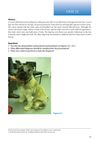 May 2019 in “Small Animal Dermatology”
 The dog had sebaceous adenitis, treated with ciclosporin, leading to some hair regrowth.
April 2026 in “Veterinary Record Case Reports” Neutering successfully treated hair loss in a Pomeranian dog.
1 citations
,
January 2024 in “Veterinary Dermatology” Alopecia X in Pomeranians is likely genetic, not environmental.
2 citations
,
March 1997 in “Veterinary Dermatology” The Doberman had multiple skin tumors, but it's unclear if color dilution increased the risk.
 2 citations
,
January 2005 in “The Japanese Journal of Veterinary Dermatology”
2 citations
,
January 2005 in “The Japanese Journal of Veterinary Dermatology” Abnormal adrenal function is not the cause of alopecia in Pomeranians; it may be due to breed-specific hormones.
 May 2019 in “Small Animal Dermatology”
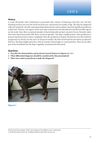
 The dog has Color Dilution Alopecia, causing hair loss and increased risk of skin infections.
January 2023 in “Repositorio Fundación Universitaria Agraria de Colombia” 1 citations
,
December 2018 in “Veterinary dermatology” The hair coat disorder in Schipperkes is similar to Alopecia X and involves increased androstenedione levels and hair cycle arrest.
1 citations
,
January 2018 in “Journal of Cosmetics Dermatological Sciences and Applications” A targetoid hair regrowth pattern indicates recovery in alopecia areata.
January 2024 in “Editora In Vivo eBooks” A dog had a fungal skin infection that can also affect humans.