 January 2020 in “Acta Scientiae Veterinariae”
 A dog's chronic bite wound healed successfully using a mix of herbal gel, low power laser, and ozone therapy.
January 2024 in “Editora In Vivo eBooks” Dermatophytosis is a fungal skin infection affecting animals and humans, common in cooler seasons.
 8 citations
,
June 2018 in “ACTA SCIENTIAE VETERINARIAE”
8 citations
,
June 2018 in “ACTA SCIENTIAE VETERINARIAE” A maned wolf was successfully treated for a fungal infection, highlighting the need to understand such diseases for conservation.
 March 2026 in “Indian journal of veterinary and animal sciences research.”
 A Labrador Retriever with pemphigus fully recovered after six weeks of azathioprine treatment.
A black Doberman with hair loss improved partially with omega-3/omega-6 treatment.
 February 2025 in “Buletin Veteriner Udayana”
 The dog's scabies was successfully treated, leading to improved symptoms and hair regrowth.
 January 2024 in “International journal of advanced biochemistry research”
 Fluralaner successfully treated dogs with severe demodicosis in 2 months.
1 citations
,
January 2010 in “INTAS POLIVET” Two German shepherds with acute prostatitis were successfully treated with medication.
5 citations
,
September 1991 in “Veterinary dermatology” Pygmy goats with seborrhoeic dermatitis showed skin symptoms and temporary improvement with corticosteroids, but the cause and inheritance of the disease remain unknown.
10 citations
,
November 1964 in “Zentralblatt für Veterinärmedizin Reihe A” Benign epithelial tumors in dogs don't spread or become cancerous.
 January 2012 in “The Japanese Journal of Veterinary Dermatology”
 The dog's hair loss healed on its own without treatment.
8 citations
,
May 2005 in “Australian veterinary journal” A Tibetan Terrier had recurring seasonal hair loss for three years.
 July 2026 in “Buletin Veteriner Udayana”
 A 28-day treatment successfully cured a dog's skin infection, restoring its hair and skin health.
 1 citations
,
January 2013 in “The Journal of Dermatology”
1 citations
,
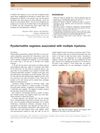
January 2013 in “The Journal of Dermatology” A skin condition called pyodermatitis vegetans was found in a patient with multiple myeloma for the first time.
 January 2019 in “Jui rinsho hifuka”
 A dog's skin and digestive problems improved after treatment for thyroid cancer.
March 2026 in “Buletin Veteriner Udayana” Stella fully recovered from Malassezia dermatitis after 4 weeks of treatment.
 October 2023 in “Jurnal Ilmu Kesehatan Hewan”
 The kitten's skin condition improved significantly after 4 weeks of treatment.
 October 2025 in “Journal of Veterinary Clinics”
 A tailored treatment improved a Pomeranian dog's skin and hair issues caused by a vaccine.
May 2023 in “Zenodo (CERN European Organization for Nuclear Research)” Pyoderma gangrenosum can occur in rheumatoid arthritis patients and may be mistaken for vasculitis.
2 citations
,
January 2012 in “ACTA SCIENTIAE VETERINARIAE” Topical treatment with amphotericin B and DMSO effectively healed a horse's skin infection.
5 citations
,
August 2002 in “Veterinary Dermatology” Combining terbinafine and mitotane effectively treated a schnauzer's skin infection and hormone disorder.
December 2021 in “Folia veterinaria” Over half of the dog skin disorders discussed have known gene variants, enabling genetic testing for diagnosis and responsible breeding.
April 2018 in “Blackwell's Five‐Minute Veterinary Consult Clinical Companion” Some skin conditions in pets can signal cancer or may develop into cancer, and monitoring or treating these can help detect or manage the disease.
November 2023 in “Veterinary Dermatology” 71 citations
,
December 2010 in “Preventive Veterinary Medicine” Young dogs and cats in Western Turkey often have skin infections caused by fungi, especially Microsporum canis.
 69 citations
,
January 2020 in “Veterinary World”
69 citations
,
January 2020 in “Veterinary World” Ringworm in pets is influenced by fungi type, immune status, and stress hormones.
 January 2026 in “Preprints.org”
 Posaconazole effectively treated a resistant fungal infection in a Spitz dog.
January 2019 in “INTAS POLIVET” The dog fully recovered and regrew hair after treatment.
April 2011 in “Companion Animal” Feline pododermatitis is less common in cats than in dogs.
October 2010 in “eCommons (Cornell University)” Cutaneous epitheliotropic lymphoma in dogs is often misdiagnosed but can be treated with chemotherapy and alternative therapies.