The chapter concludes that certain skin diseases in bovines cause symmetrical, non-painful lesions and temporary hair loss due to stress.
January 2005 in “Veterinarski glasnik” The dog's hair discoloration was due to low zinc and hypothyroidism, not the medication.
June 2018 in “Journal of the American Veterinary Medical Association” Three related Persian cats have a rare, likely hereditary skin condition causing hair loss and poor coat quality, with limited treatment options.
11 citations
,
May 2011 in “Veterinary Record” A dog in France died from an African parasite infection after traveling from Senegal.
March 2019 in “eCommons (Cornell University)” The pony's skin condition improved significantly with prednisolone treatment.
 17 citations
,
August 1983 in “Australasian Journal of Dermatology”
17 citations
,
August 1983 in “Australasian Journal of Dermatology” The review says skin conditions with sterile pustules need more research for better treatments.
1 citations
,
November 2022 in “PubVet” Microneedling and orchiectomy helped treat hair loss in a German Spitz dog.
A woman and her guinea pig were successfully treated for a fungal infection.
1 citations
,
January 2024 in “Veterinary Science and Medicine Journal” The dog recovered fully after treatment, and tick prevention is advised to avoid reinfection.
23 citations
,
September 1997 in “Veterinary dermatology” Mupirocin ointment effectively treats feline acne.
 August 2024 in “Indian Journal of Animal Research”
 Clove oil effectively treats cattle dermatophytosis in 7 days.
 2 citations
,
January 2005 in “Elsevier eBooks”
2 citations
,
January 2005 in “Elsevier eBooks” The document describes skin diseases affecting the outer ear in dogs and cats, their spread to other body parts, and treatment options.
 March 2025 in “World s Veterinary Journal”
 Therapy lowers IgM levels in dogs with severe dermatitis but not in mild cases.
 March 2024 in “Indian Journal of Dermatology/Indian journal of dermatology”
 Using animal names for skin conditions helps with learning and memory.
 36 citations
,
May 2004 in “The journal of small animal practice/Journal of small animal practice”
36 citations
,
May 2004 in “The journal of small animal practice/Journal of small animal practice” Combining cyclosporine A and ketoconazole can effectively treat anal furunculosis in dogs, with some experiencing recurrences and mild side effects.
6 citations
,
January 1967 in “Journal of Small Animal Practice” Old dogs' skin thins, loses hair, and may darken, but doesn't show some human aging signs.
February 2024 in “Deleted Journal” The dog recovered well from skin cancer and intestinal blockage after treatment.
6 citations
,
January 2015 in “Indian Dermatology Online Journal” PEODDN is a rare skin disorder with limited treatment options, best treated with laser therapy.
January 2016 in “Lithuanian University of Health Sciences” Different diseases cause specific skin and hair follicle changes in dogs with alopecia.
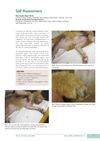 April 2008 in “Companion Animal”
 The cat's skin condition was linked to cancer and did not improve with treatment, leading to a poor outcome.
1 citations
,
April 2024 in “Animal Genetics” A genetic defect in an Appenzeller Mountain Dog caused skin issues, improved with ketoconazole, showing the importance of advanced genetic testing.
January 2014 in “ACTA SCIENTIAE VETERINARIAE” The cat's skin condition was resistant to treatment and did not improve.
June 2016 in “Journal of Coastal Life Medicine” The terrier dog with pituitary-dependent hyperadrenocorticism was successfully treated with mitotane.
4 citations
,
January 2009 in “Veterinary Dermatology” Cats exposed to diesel oil can lose hair but recover fully without treatment.
April 2018 in “Blackwell's Five‐Minute Veterinary Consult Clinical Companion” The document concludes that skin and hair changes in small animals are often due to hormonal imbalances and recommends regular baths and antibiotics for associated infections.
June 2018 in “CRC Press eBooks” Foals can have various skin issues, some genetic, immune-related, or due to infections and allergies.
February 2026 in “Veterinary Dermatology” Coat-type differences in Pomeranians affect Alopecia X diagnosis and treatment.
1 citations
,
September 2016 in “Veterinary dermatology” A combination of ciclosporin and ketoconazole can effectively treat severe hair loss in dogs.
 38 citations
,
August 2005 in “Veterinary dermatology”
38 citations
,
August 2005 in “Veterinary dermatology” A disease causing skin issues in young adult German short-haired pointers is hereditary, with most affected dogs not responding to treatment.
 January 1983 in “Journal of the Japan Veterinary Medical Association”
 Daily treatment eventually improved the dog's symptoms.