The dog fully recovered and regrew hair after a combination of topical and oral treatments.
 7 citations
,
January 2011 in “Veterinary Pathology”
7 citations
,
January 2011 in “Veterinary Pathology” A horse with severe hair loss was diagnosed with alopecia areata and a yeast infection.
May 2019 in “Small Animal Dermatology” The dog had a good prognosis with proper treatment and cleaning.
April 2026 in “Veterinary Record Case Reports” Neutering successfully treated hair loss in a Pomeranian dog.
 January 2006 in “Elsevier eBooks”
 Cats with Feline Symmetrical Alopecia can regrow hair with proper treatment based on the specific cause, including diet, medication, or stress management.
January 2005 in “Veterinarski glasnik” The dog's hair discoloration was due to low zinc and hypothyroidism, not the medication.
January 2024 in “Veterinary Dermatology” A rare skin condition was found in a Labrador retriever outside North America.
 21 citations
,
May 2005 in “Journal of the American Veterinary Medical Association”
21 citations
,
May 2005 in “Journal of the American Veterinary Medical Association” The exact cause of growth hormone-responsive alopecia in dogs is unclear.
1 citations
,
October 2024 in “Veterinary Dermatology” A Cavalier King Charles Spaniel had both uveodermatological syndrome and alopecia areata, and treatment with ciclosporin helped regrow hair.
14 citations
,
August 2004 in “Veterinary Dermatology” The horse had a rare type of hair loss caused by immune cells attacking hair follicles.
January 2019 in “INTAS POLIVET” The dog fully recovered and regrew hair after treatment.
January 2025 in “Open Veterinary Journal” Supplements improved the dog's hair growth without side effects.
 2 citations
,
December 2018 in “International journal of current microbiology and applied sciences”
2 citations
,
December 2018 in “International journal of current microbiology and applied sciences” The dog recovered from hypothyroidism and regrew its hair after two months of treatment.
 January 2020 in “Frontiers in Medical Case Reports”
 A dog developed skin issues from too many steroids, but reducing steroids and using a specific treatment fixed the problems.
1 citations
,
November 2022 in “PubVet” Microneedling and orchiectomy helped treat hair loss in a German Spitz dog.
A black Doberman with hair loss improved partially with omega-3/omega-6 treatment.
 34 citations
,
March 2003 in “Veterinary Dermatology”
34 citations
,
March 2003 in “Veterinary Dermatology” Most dogs with alopecia had higher than normal levels of certain hormones, but hair loss might not always be linked to these hormone changes.
January 2024 in “Editora In Vivo eBooks” A dog had a fungal skin infection that can also affect humans.
 November 2022 in “Brazilian journal of veterinary pathology”
 The Yorkshire terrier has a genetic hair loss condition not improved by treatment.
 5 citations
,
October 2013 in “Veterinary Clinics of North America: Equine Practice”
5 citations
,
October 2013 in “Veterinary Clinics of North America: Equine Practice” Some horses lose hair without inflammation or itching due to various conditions, and while mainly a cosmetic issue, diagnosis requires examination and biopsies, and breeding is not advised if it's hereditary.
 57 citations
,
August 1998 in “The journal of small animal practice/Journal of small animal practice”
57 citations
,
August 1998 in “The journal of small animal practice/Journal of small animal practice” Malassezia-associated dermatitis can cause itching in cats with feline paraneoplastic alopecia.
 May 2019 in “Small Animal Dermatology”
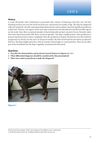
 The dog has Color Dilution Alopecia, causing hair loss and increased risk of skin infections.
January 2023 in “Repositorio Fundación Universitaria Agraria de Colombia” 
Orchiectomy and melatonin helped a German Spitz regrow hair lost due to alopecia X.
 1 citations
,
January 2006 in “Elsevier eBooks”
1 citations
,
January 2006 in “Elsevier eBooks” Cats lose fur due to various reasons, including allergies, infections, genetics, hormones, diet, cancer, stress, and some conditions are treatable while others are not.
5 citations
,
April 2019 in “Veterinary Dermatology” Cats infested with Lynxacarus radovskyi can lose hair without inflammation, treatable with selamectin.
 1 citations
,
October 2023 in “Veterinary Dermatology”
1 citations
,
October 2023 in “Veterinary Dermatology” Transversal biopsy sections are better than longitudinal sections for diagnosing alopecia X.
4 citations
,
September 1992 in “Journal of Small Animal Practice” A French bulldog had sparse hair due to a condition similar to that seen in Chinese crested dogs.
 2 citations
,
January 2005 in “The Japanese Journal of Veterinary Dermatology”
2 citations
,
January 2005 in “The Japanese Journal of Veterinary Dermatology” Abnormal adrenal function is not the cause of alopecia in Pomeranians; it may be due to breed-specific hormones.