75 citations
,
March 1998 in “Journal of Investigative Dermatology” The transgene likely activated an oncogene or interrupted a tumor suppressor gene, causing melanoma in mice.
 48 citations
,
July 1996 in “Human & Experimental Toxicology”
48 citations
,
July 1996 in “Human & Experimental Toxicology” Human enzymes can detoxify harmful substances but might also increase their cancer risk.
31 citations
,
November 2003 in “Journal of Occupational Health” Thioglycolic acid in hair products may pose reproductive and cancer risks for hairdressers.
27 citations
,
February 2014 in “BMC Cancer” Circadian rhythm disruption, chronic inflammation, hormones, metabolism, and genetics may increase prostate cancer risk.
 26 citations
,
February 1998 in “Chemico-Biological Interactions”
26 citations
,
February 1998 in “Chemico-Biological Interactions” Scientists identified three genes important for processing certain brain chemicals, thyroid hormones, and medications.
21 citations
,
January 1999 in “Molecular and Cellular Biochemistry” Niacin deficiency makes rats more sensitive to cancer-causing chemicals.
13 citations
,
October 2019 in “Oncology Reports” The link between anabolic agents and colorectal cancer risk is unclear.
6 citations
,
September 2018 in “International Journal of Molecular Sciences” PRP derivatives are likely safe for therapeutic use without harmful effects.
4 citations
,
April 1986 in “Cancer Letters” GSH-T levels in hair follicles are similar in smokers and non-smokers and don't increase with certain treatments.
 1 citations
,
December 2022 in “Pharmaceuticals”
1 citations
,
December 2022 in “Pharmaceuticals” Noni fruit extract, specifically the FEA-3 sub-fraction, can increase hair growth and reduce baldness in male rabbits, potentially acting like common hair loss treatments.
 1 citations
,
April 2021 in “Plant Archives/Plant archives”
1 citations
,
April 2021 in “Plant Archives/Plant archives” Onions may help reduce cancer risk and obesity-related issues.
1 citations
,
January 2018 in “Advances in cancer prevention” Preventing cancer involves lifestyle changes, vaccinations, early screening, and understanding cancer's molecular basis.
 1 citations
,
November 2017 in “The journal of investigative dermatology/Journal of investigative dermatology”
1 citations
,
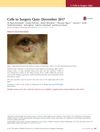
November 2017 in “The journal of investigative dermatology/Journal of investigative dermatology” Mohs micrographic surgery is effective for treating basal cell carcinoma on the eyelid, while radiotherapy has higher recurrence rates, and topical vitamin D3 may reduce and delay BCC formation in mice.

Coconut oil penetrates hair and reduces protein loss, while mineral oil adds shine; choose oils based on desired effects for healthy hair.
October 2025 in “Frontiers in Toxicology” A new method effectively predicts estrogen-related health effects for early screening.
April 2022 in “Book Publisher International (a part of SCIENCEDOMAIN International)” Catalase in processed meats may emit electromagnetic fields that increase cancer risk.
 January 2018 in “Elsevier eBooks”
 Minoxidil helps lower severe blood pressure and promotes hair growth but can have serious side effects and must be used continuously.
 July 1999 in “Journal of The European Academy of Dermatology and Venereology”
 Bath PUVA therapy works well for a skin condition without as many cancer risks and is cheaper, and iron deficiency might not cause female hair loss.
January 1985 in “Clinical research” Topical alpha-terthienyl with UVA may safely treat psoriasis without cancer risk.
Depo-Provera effectively prevents pregnancy but has many side effects and safety concerns, leading to its ban in the U.S.
88 citations
,
August 1998 in “Carcinogenesis” High levels of ODC and a mutant Ha-ras gene cause tumors in mice.
15 citations
,
March 2023 in “BioMed” MIS-A is a severe complication after COVID-19, mostly in young black males, needing more research and awareness.
14 citations
,
August 1943 in “Archives of Dermatology” Applying estradiol to skin causes local changes but not cancer.
 February 2024 in “BioMetals”
 Heavy metals like arsenic, cadmium, and lead can increase cancer risk and worsen outcomes.
May 2022 in “The journal of investigative dermatology/Journal of investigative dermatology” Loss of TET2 increases the risk of skin and oral cancer.
 September 2019 in “Philippine Journal of Internal Medicine”
 Early immunosuppressive therapy leads to favorable outcomes in Filipino lupus patients with myocarditis.
July 2019 in “Cancer Research” Bone marrow and hair follicle cells help form skin tumors, suggesting new treatment targets.
July 2019 in “Tumor Biology” Bone marrow-derived cells contribute to skin tumors, suggesting new treatment targets for non-melanoma skin cancers.
December 2009 in “Expert review of dermatology” Vitamin D may help protect against nonmelanoma skin cancer.
October 1998 in “Data Archiving and Networked Services (DANS)” Basal cell carcinoma cases are rising globally.