4 citations
,
January 2014 in “The Journal of urology/The journal of urology” Kidney cancer cells without folliculin are more sensitive to radiation due to increased self-eating cell death.
 February 2026 in “Cureus”
 Recognizing and managing skin side effects from chemotherapy improves patient quality of life and treatment success.
December 2023 in “Journal of Thoracic Disease” Increased EGFR gene variations may predict chemotherapy outcomes in small cell lung cancer patients.
 March 2024 in “Cancer Research”
 Eliminating senescent cells can prevent and reverse chemotherapy-induced peripheral neuropathy.
7 citations
,
October 2016 in “American Journal of Dermatopathology” The man died from lung cancer, not the rare nail tumor.
48 citations
,
April 2021 in “Pharmaceuticals” Liposomal curcumin improves skin cancer treatment effectiveness while sparing normal cells.
 May 2024 in “Journal of molecular structure”
 A new compound, 3a, effectively fights prostate cancer better than finasteride.
December 2009 in “Faculty Opinions – Post-Publication Peer Review of the Biomedical Literature” Noggin promotes skin tumors by activating Wnt and Shh pathways.
 4 citations
,
January 1987 in “Journal of The American Academy of Dermatology”
4 citations
,
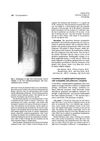
January 1987 in “Journal of The American Academy of Dermatology” A man with both skin lesions and lung cancer improved quickly with chemotherapy, suggesting the skin condition might be a reaction to immune system injury.
 23 citations
,
June 2015 in “Oncology Letters”
23 citations
,
June 2015 in “Oncology Letters” Adipose-derived stem cell-conditioned medium can reduce melanoma cell growth and spread.
 3 citations
,
April 2014 in “Journal of Dietary Supplements”
3 citations
,
April 2014 in “Journal of Dietary Supplements” CARI ONE helps start hair growth and makes hair follicles bigger and more numerous.
 38 citations
,
February 2012 in “Supportive Care in Cancer”
38 citations
,
February 2012 in “Supportive Care in Cancer” Skin problems like acne, dry skin, and nail and hair changes are common in patients taking EGFR inhibitors.
1 citations
,
July 2025 in “Cancer Medicine” Colorectal cancer cells can adapt without losing their traits or drug sensitivity.
 105 citations
,
September 1995 in “Journal of The American Academy of Dermatology”
105 citations
,
September 1995 in “Journal of The American Academy of Dermatology” Recombinant cytokine therapy can cause skin reactions ranging from mild to severe.
19 citations
,
March 2022 in “Molecular therapy. Nucleic acids” A specific RNA, circNlgn, contributes to heart damage and scarring caused by the cancer drug doxorubicin.
November 2024 in “Scientific Reports” Chemotherapy for male germ cell tumors often leads to hypogonadism and related symptoms.

The document concludes that the development of certain tumors is influenced by genetic background and that a specific gene modification can lead to tumor regression and reduced growth.
31 citations
,
August 2018 in “Journal of biomedical nanotechnology” Licorice root-derived nanoparticles target liver cancer cells to improve treatment and reduce side effects.
November 2025 in “PLoS ONE” Nucleic acids trigger chemokine production in skin cells, affecting skin inflammation.
 29 citations
,
July 2014 in “PloS one”
29 citations
,
July 2014 in “PloS one” Meis1 is crucial for skin health and tumor development.
 March 2024 in “PLoS medicine”
 Physical activity, height, and smoking affect prostate cancer risk.
 88 citations
,
May 2011 in “British Journal of Clinical Pharmacology”
88 citations
,
May 2011 in “British Journal of Clinical Pharmacology” High doses of cyproterone acetate are linked to an increased risk of developing meningioma.
 3 citations
,
February 2005 in “Lung Cancer”
3 citations
,
February 2005 in “Lung Cancer” The new chemotherapy combination for advanced lung cancer showed a 35.7% response rate but caused significant side effects.
 April 2023 in “Journal of Investigative Dermatology”
 The mTOR signaling pathway might play a role in radiation dermatitis, but more research is needed.
 136 citations
,
April 2013 in “Clinical Cancer Research”
136 citations
,
April 2013 in “Clinical Cancer Research” The drug IPI-926 is safe at 160 mg daily and may help treat certain tumors, especially basal cell carcinoma.
March 2024 in “Preprints.org” Activated protein C helps protect mice from radiation damage.
65 citations
,
October 2015 in “Acta Biomaterialia” The nano-carrier makes etoposide safer and more effective against lung cancer.
December 2014 in “Tesis Doctorals en Xarxa (Consorci de Serveis Universitaris de Catalunya)” Reducing SOX2 in colorectal cancer cells decreases tumor growth and self-renewal.
58 citations
,
September 2019 in “EMBO Molecular Medicine” CDK4/6 inhibitors can protect hair cells from chemotherapy damage.
 24 citations
,
April 2017 in “Oncology Reports”
24 citations
,
April 2017 in “Oncology Reports” The hair keratin gene KRT81 is found in both normal and breast cancer cells and helps them invade surrounding tissues.