 24 citations
,
April 2017 in “Oncology Reports”
24 citations
,
April 2017 in “Oncology Reports” The hair keratin gene KRT81 is found in both normal and breast cancer cells and helps them invade surrounding tissues.
 31 citations
,
December 2010 in “International Journal of Andrology”
31 citations
,
December 2010 in “International Journal of Andrology” Men with testicular cancer were less likely to experience baldness and severe acne.
11 citations
,
June 2016 in “European Journal of Medicinal Chemistry” Compounds 6f and 6g effectively stop prostate cancer cell growth without harming healthy cells.
14 citations
,
May 2022 in “Cell Reports” Basal cell carcinomas need extra mutations to grow from small to large tumors.
 17 citations
,
January 2021 in “Agrobiological Records”
17 citations
,
January 2021 in “Agrobiological Records” Allethrin caused harmful effects and organ damage in rats, worsening with higher doses and longer exposure.
 February 2024 in “Curēus”
 Topical 5-Fluorouracil can rarely cause nerve damage, especially in people with a certain genetic deficiency.
 5 citations
,
September 2010 in “Cancer Prevention Research”
5 citations
,
September 2010 in “Cancer Prevention Research” The research suggests new treatments for skin cancer could target specific cell growth pathways.
 January 2025 in “Asian Case Reports in Emergency Medicine”
 Metabolic syndrome may increase the risk of small cell lung cancer.
51 citations
,
September 2008 in “Journal of Investigative Dermatology” Vitamin D receptor may help protect against UV-induced skin cancer.
 15 citations
,
November 2022 in “Cell Death and Disease”
15 citations
,
November 2022 in “Cell Death and Disease” CEP135 may predict cancer outcomes, and targeting PLK1 could help treat certain sarcomas.
1 citations
,
April 2024 in “Metabolites” Activated protein C helps protect mice from long-term radiation damage.
 8 citations
,
January 2011 in “Experimental and Therapeutic Medicine”
8 citations
,
January 2011 in “Experimental and Therapeutic Medicine” Stromal cells in melanoma promote tumor growth and spread.
January 2008 in “Projeto: revista mensal de arquitetura” Targeted cancer drugs can cause skin reactions, so dermatologists must manage these effects.
13 citations
,
March 1962 in “Nature” Carcinoma patients may have lower zinc levels in their hair.
January 2023 in “Cutaneous and Ocular Toxicology”  18 citations
,
July 2008 in “Current Oncology Reports”
18 citations
,
July 2008 in “Current Oncology Reports” EGFR cancer drugs often cause a rash, which can lead to distress and isolation, but may also improve outcomes for some cancer patients. Current treatments for the rash are limited, but a compound called menadione shows promise.
 88 citations
,
July 2014 in “Journal of the American Academy of Dermatology”
88 citations
,
July 2014 in “Journal of the American Academy of Dermatology” Targeted cancer therapies often cause skin reactions, so dermatologists must manage these effects.
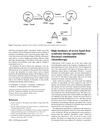 14 citations
,
October 2003 in “Annals of Oncology”
14 citations
,
October 2003 in “Annals of Oncology” About half the patients treated with capecitabine and docetaxel developed severe hand-foot syndrome.
1 citations
,
September 2001 in “PubMed” ONO-3403 effectively reduces mouse skin tumor growth without side effects.
86 citations
,
November 2020 in “Annals of Oncology” Early intervention and tailored management can reduce skin side effects from cancer treatments.
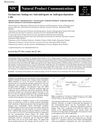 3 citations
,
September 2016 in “Natural Product Communications”
3 citations
,
September 2016 in “Natural Product Communications” Germacrene analogs, especially 8-Hydroxy germacrene B, are more effective than germacrone at blocking a hormone-related enzyme and could help treat hair loss.
54 citations
,
September 2012 in “Acta ophthalmologica” Cancer treatments can cause various eye problems, so eye doctors should know how to diagnose and treat these early.
January 2003 in “The Chinese Journal of Burns Wounds & Surface Ulcers” CK 19 expression is higher in more severe skin cancers.
 July 2025 in “Cermin Dunia Kedokteran”
 Nasopharyngeal carcinoma is a common cancer in Indonesia, with risk factors including genetics, diet, and Epstein-Barr virus, and is treated with advanced radiotherapy.
November 2008 in “Cancer Prevention Research” Chemoprevention can significantly lower cancer risks and needs more research and collaboration.
4 citations
,
April 1986 in “Cancer Letters” GSH-T levels in hair follicles are similar in smokers and non-smokers and don't increase with certain treatments.
4 citations
,
December 2022 in “Skin Research and Technology” Reduced Sonic hedgehog signaling leads to increased HPV replication and wart formation.
June 2025 in “Proceedings of the National Academy of Sciences” A PIK3CA mutation in Schwann cells causes severe nerve damage and increased glycolysis, but early treatment can help.
 November 2011 in “APMIS. Acta pathologica, microbiologica et immunologica Scandinavica./APMIS”
 Polyomavirus A2 infection in newborn mice caused hair follicle tumors.
6 citations
,
July 2020 in “The Kaohsiung Journal of Medical Sciences” Inhibiting the PI3K/Akt pathway may help prevent radiation-induced liver injury.