 January 2025 in “Frontiers in Cell and Developmental Biology”
 Hox proteins help maintain keratinocyte identity by regulating miRNA expression.
39 citations
,
September 2018 in “American Journal of Medical Genetics Part A” A new genetic mutation in the ODC1 gene causes developmental delay and other symptoms in a young girl.
 23 citations
,
December 2013 in “British Journal of Dermatology”
23 citations
,
December 2013 in “British Journal of Dermatology” A new gene mutation linked to a skin condition was found in a Spanish family.
 1 citations
,
November 2025 in “Clinical and Experimental Medicine”
1 citations
,
November 2025 in “Clinical and Experimental Medicine” lncRNAs are important for understanding and treating skin diseases.
 176 citations
,
June 2016 in “PLoS ONE”
176 citations
,
June 2016 in “PLoS ONE” Nucleic acid polymers can enhance antiviral responses and improve treatment outcomes for chronic hepatitis B.
 January 2010 in “프로그램북(구 초록집)”
 Fgf9 helps create new hair follicles after injury through skin T cells.
3 citations
,
August 2024 in “Molecular Biology Reports” LncRNA018392 helps goat skin cells grow by increasing CSF1R.
January 2026 in “Human Mutation” T cell subsets are crucial in kidney cancer, and a new model predicts patient outcomes using key genes.
 June 2025 in “Aesthetic Cosmetology and Medicine”
 Polydeoxyribonucleotides may help with healing and anti-aging, but more research is needed.
November 2023 in “Biology” N6-methyladenosine affects hair follicle development differently in Rex and Hycole rabbits.
 12 citations
,
August 1984 in “Genetics Research”
12 citations
,
August 1984 in “Genetics Research” The N gene affects the protein makeup of mouse hair.
27 citations
,
November 2007 in “Genomics” Mutations in specific keratin genes cause improper hair structure in mice due to faulty keratin protein assembly.
1 citations
,
May 2025 in “BMC Genomics” lncRNAs may help control cashmere goat hair growth by responding to light changes.
 November 2023 in “Materials Today Bio”
 The new treatment using nanoparticles with ISX9 can effectively regrow hair without major side effects.
August 2009 in “Mechanisms of Development”  May 2026 in “Scientific Reports”
 Overexpression of LRIG3 in skin causes hair loss.
August 2015 in “Han'gug dongmul jawon gwahag hoeji/Han-guk dongmul jawon gwahak hoeji/Journal of animal science and technology” TRα and CRABPII genes change their activity levels during goat fetal skin development.
 2 citations
,
September 2022 in “Frontiers in veterinary science”
2 citations
,
September 2022 in “Frontiers in veterinary science” Certain long non-coding RNAs are important for the growth of hair follicles in Inner Mongolian cashmere goats.
September 2025 in “Science Advances” PADI4 enzyme slows down cell growth in developing hair follicles.
Genetic analysis of rabbits identified key genes for traits like coat color, body size, and fertility.
 22 citations
,
March 2017 in “Scientific reports”
22 citations
,
March 2017 in “Scientific reports” Double-stranded RNA causes inflammation in hair follicle cells, which may help understand and treat alopecia areata.
 3 citations
,
June 2017 in “Methods”
3 citations
,
June 2017 in “Methods” Researchers created a model to understand heart aging, highlighting the role of microRNAs and identifying key genes and pathways involved.
5 citations
,
March 2017 in “Gene” CAP1 decreases the expression of a hair-related protein in young Tan sheep's skin.
51 citations
,
December 2006 in “Mammalian Genome”  4 citations
,
May 2021 in “The journal of investigative dermatology/Journal of investigative dermatology”
4 citations
,
May 2021 in “The journal of investigative dermatology/Journal of investigative dermatology” ELL is crucial for gene transcription related to skin cell growth.
17 citations
,
May 2018 in “BMC genomics” Researchers found genes and microRNAs that control curly fleece in Chinese Tan sheep.
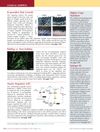 July 2016 in “Journal of Investigative Dermatology”
 R-spondin2 may help treat hair loss, gene differences could explain baldness, a peptide's regulation is linked to psoriasis, B-defensin gene copies may affect a skin condition's risk and severity, and potential markers and targets for alopecia areata were identified.
26 citations
,
March 1995 in “Differentiation” A rabbit gene important for hair development was identified and detailed.
64 citations
,
March 2004 in “The journal of investigative dermatology/Journal of investigative dermatology” GPRC5D is linked to the formation of hair, nails, and certain tongue areas.
 10 citations
,
January 2010 in “Veterinary pathology”
10 citations
,
January 2010 in “Veterinary pathology” A new mutation in the hairless gene causes hair loss and skin wrinkling in mice.