 6 citations
,
October 2017 in “Oncotarget”
6 citations
,
October 2017 in “Oncotarget” Hairless mice are more vulnerable to Listeria infection, but gut microbiota can help reduce damage.
7 citations
,
August 2019 in “JAAD Case Reports” Hidradenitis suppurativa may be more severe in people with Mediterranean fever gene mutations.
 3 citations
,
October 2023 in “Frontiers in physiology”
3 citations
,
October 2023 in “Frontiers in physiology” ceRNA networks offer potential treatments for skin aging and wound healing.
69 citations
,
January 2021 in “Journal of Biological Chemistry” Plant-derived amino acids can help develop new antimicrobial drugs.
 3 citations
,
January 2019 in “Bulgarian Journal of Veterinary Medicine”
3 citations
,
January 2019 in “Bulgarian Journal of Veterinary Medicine” The cat was put to sleep due to recurring infections.
19 citations
,
March 2022 in “Molecular therapy. Nucleic acids” A specific RNA, circNlgn, contributes to heart damage and scarring caused by the cancer drug doxorubicin.
83 citations
,
October 2012 in “International Journal of Oncology” Wedelolactone selectively kills prostate cancer cells without harming normal cells.
24 citations
,
November 2023 in “Regenerative Biomaterials” Metal ions can help treat heart diseases by protecting cells and repairing tissues.
133 citations
,
November 2018 in “Aging” Azithromycin and Roxithromycin can remove aging cells and may help with anti-aging.
 13 citations
,
February 2018 in “Plastic and Reconstructive Surgery”
13 citations
,
February 2018 in “Plastic and Reconstructive Surgery” The study found that a specific signaling pathway helps skin wounds heal faster but may lead to larger scars.
October 2025 in “Coloration Technology” Delipidised wool is brighter, dyes better, and is more eco-friendly.
 9 citations
,
January 2006 in “Cutaneous and ocular toxicology”
9 citations
,
January 2006 in “Cutaneous and ocular toxicology” L-cystine, D-pantothenat, and miliacin together significantly boost keratinocyte growth and metabolism.
August 2025 in “International Journal of Biological Macromolecules” A new hydrogel can kill resistant bacteria and help heal infected burn wounds.
 August 2023 in “JOJ dermatology & cosmetics”
 Antibiotics often cause skin reactions, making them a major health concern.
November 2024 in “Journal of Investigative Dermatology” Secukinumab reduces immune activity in hidradenitis suppurativa skin.
34 citations
,
June 2022 in “Viruses” Certain plant compounds can help prevent and treat a virus in pigs.
6 citations
,
February 2024 in “Pharmaceutics” ELIP-based CRISPR delivery improves heart disease gene editing but needs more testing.
7 citations
,
February 2024 in “ACS Applied Materials & Interfaces” A new light-activated treatment speeds up healing of infected wounds without antibiotics.
 October 2024 in “Asian Pacific Journal of Cancer Prevention”
 Cnicus Benedictus leaf extract can kill cervical cancer cells without harming normal cells.
3 citations
,
January 2022 in “Burns & Trauma” CTHRC1 helps sweat glands recover by rebuilding nearby blood vessels.
65 citations
,
October 2015 in “Acta Biomaterialia” The nano-carrier makes etoposide safer and more effective against lung cancer.
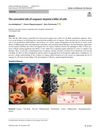 13 citations
,
December 2024 in “Cellular and Molecular Life Sciences”
13 citations
,
December 2024 in “Cellular and Molecular Life Sciences” Caspases do more than kill cells; they also help in cell growth and disease, and targeting them could lead to new treatments.
 April 2021 in “Journal of Investigative Dermatology”
 The new skin-targeted COVID-19 vaccine creates strong immune responses and could improve vaccination methods.
 February 2026 in “Cosmetics”
 These supernatants may help reduce hair loss by protecting hair cells.

Activating certain potassium channels in honey bees can lower antioxidant levels and reduce death rates during heavy mite infestations, potentially aiding their immune response.
October 2025 in “International Journal of Molecular Sciences” Extracellular vesicles from mammary cells help heal skin wounds effectively.
 59 citations
,
July 2015 in “Journal of Immunology”
59 citations
,
July 2015 in “Journal of Immunology” Certain proteins, caspases-1 and -11, are important in the early development of skin inflammation in mice.
7 citations
,
May 2021 in “EBioMedicine” Increased methylation of the Filip1l gene may contribute to aggressive skin cancer.
74 citations
,
January 2014 in “Journal of Investigative Dermatology” High kallistatin levels in diabetics worsen wound healing by blocking important cell signals.
 41 citations
,
August 2015 in “The FASEB Journal”
41 citations
,
August 2015 in “The FASEB Journal” Blocking the Wnt/β‐catenin pathway can speed up wound healing, reduce scarring, and improve cartilage repair.