28 citations
,
January 2016 in “RSC Advances” A non-toxic formula using polycarboxylic acids strengthens and improves hair.
The research shows how certain drug molecules form stable structures with polymers, which could help create new drug forms.
1 citations
,
January 1998 in “Cosmetics and toiletries” Both amodimethicone and dimethicone copolyol amine are effective hair conditioners.
The research found how certain drugs and polymers form stable complexes, which could help develop new pharmaceutical forms.
1 citations
,
January 2023 in “Chemical Engineering Journal” June 2026 in “Chemical Engineering Journal”  16 citations
,
September 2018 in “Journal of Molecular Liquids”
16 citations
,
September 2018 in “Journal of Molecular Liquids” The PS-b-PAA copolymer nanomicelles are effective for delivering a cancer treatment drug in photodynamic therapy.
6 citations
,
October 2003 in “Journal of applied polymer science” A new method using poly(ethylene imine) improves hair dyeing at lower temperatures with better color retention.
January 2025 in “Regenerative Biomaterials” The cerium-polypeptide hydrogel effectively heals drug-resistant bacterial wounds by fighting bacteria, reducing inflammation, and promoting tissue repair.
 January 2022 in “Social Science Research Network”
 A special coating was made for artificial hair fibers that can slowly release silver ions for up to 56 days, providing long-term protection against bacteria and inflammation.
January 2026 in “SSRN Electronic Journal” December 2019 in “RIUnB Institutional Repository (University of Brasília)” NP-AH-CDM-4 nanoparticles show promise for effective topical acne treatment.
80 citations
,
August 2022 in “Materials Today Bio” The hydrogel dressing effectively treats chronic wounds by regulating inflammation and improving healing.
18 citations
,
February 2025 in “Macromolecular Rapid Communications” Thermo-responsive polymers in nanoparticles enable targeted drug delivery and advanced therapies by releasing drugs at specific temperatures.
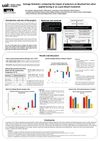 June 2017 in “University of the Arts London Research Online (University of the Arts London)”
 Polymers help reduce damage and improve bleached hair when used during or after bleaching.
 November 2024 in “Polymers for Advanced Technologies”
 The hydrogel effectively heals wounds and kills bacteria.
3 citations
,
May 2025 in “Journal of Applied Polymer Science” The sprayable hydrogel is safe and effective for wound healing, killing bacteria and reducing oxidation.
April 2026 in “Applied Materials Today” The dressing helps heal chronic wounds by swelling and releasing drugs when needed.
September 2025 in “Chemical Engineering Journal” A new sustainable polyester is tough, recyclable, biodegradable, and aids wound healing, supporting a circular economy.
36 citations
,
July 2017 in “Journal of controlled release” A new method allows for controlled, long-lasting delivery of retinoic acid through the skin with fewer side effects.
 13 citations
,
January 2019 in “Colloids and Surfaces B: Biointerfaces”
13 citations
,
January 2019 in “Colloids and Surfaces B: Biointerfaces” The new drug delivery systems made with surfactants and block polymers are stable and not toxic.
January 2016 in “Universitätsbibliothek der FU Berlin Hochschulschriftenstelle u. Dokumentenserver” The new biodegradable nanocarriers safely and effectively deliver drugs into the skin.
 March 2024 in “International journal of nanomedicine”
 Polymeric nanohydrogels show potential for skin drug delivery but have concerns like toxicity and regulatory hurdles.
1 citations
,
January 2004 in “China Surfactant Detergent & Cosmetics” The compound improves hair conditioning in shampoos.
29 citations
,
September 2020 in “Polymers” The PCL/PHB blend allows for slower, more controlled curcumin release than individual polymers.
 October 2022 in “ACS Applied Materials & Interfaces”
 The hydrogel is versatile and easy to make.
8 citations
,
January 2024 in “Current Research in Food Science” Combining polysaccharides with alginate improves protection and release of pumpkin seed protein in digestion.
Polyglutamic acid is a valuable, sustainable ingredient for skincare and haircare products.
5 citations
,
March 2025 in “Tissue Engineering and Regenerative Medicine” 2 citations
,
January 2018 in “Biomolecules & therapeutics” Polyamidoamine dendrimers can change the strength and direction of electroosmotic flow through the skin, affecting drug delivery.