 1 citations
,
June 2024 in “BMC Oral Health”
1 citations
,
June 2024 in “BMC Oral Health” Autologous platelet concentrates can effectively treat oral lichen planus like topical steroids.
15 citations
,
June 2023 in “Journal of Microbiology and Biotechnology” Loliolide from Scenedesmus deserticola may help with anti-aging.
1 citations
,
February 2025 in “International Journal of Dermatology” Abrocitinib may effectively treat Lichen Planopilaris.
3 citations
,
January 2025 in “SAGE Open Medical Case Reports” Deucravacitinib helped regrow hair and reduce plaques in a woman with discoid lupus erythematosus without side effects.
 33 citations
,
January 2021 in “Aesthetic Surgery Journal”
33 citations
,
January 2021 in “Aesthetic Surgery Journal” Low-Level Light Therapy (LLLT) is a safe and effective method for skin rejuvenation, acne treatment, wound healing, body contouring, and hair growth, but more well-designed trials are needed for confirmation.
 15 citations
,
December 2016 in “Advanced Pharmaceutical Bulletin”
15 citations
,
December 2016 in “Advanced Pharmaceutical Bulletin” The new cream with N-acetyl glucosamine didn't change skin color after 8 weeks.
 140 citations
,
January 2009 in “JEADV. Journal of the European Academy of Dermatology and Venereology/Journal of the European Academy of Dermatology and Venereology”
140 citations
,
January 2009 in “JEADV. Journal of the European Academy of Dermatology and Venereology/Journal of the European Academy of Dermatology and Venereology” Liposomes improve drug delivery and reduce skin irritation in dermatology.
 January 2025 in “Frontiers in Pediatrics”
 Baricitinib significantly improved hair regrowth and skin condition in a 14-year-old with alopecia areata and atopic dermatitis.
 October 2019 in “International journal of research in dermatology”
 Misusing topical corticosteroids can cause skin darkening and other side effects.
 May 2017 in “Journal of The American Academy of Dermatology”
 An intact skin barrier is crucial to prevent infection in cases of tether-induced tenosynovitis.
January 2023 in “Indian journal of pharmacy practice” Over-the-counter cosmetic creams can cause skin damage on the face that is visible under dermoscopy and confirmed by tissue analysis.
The HG3 hair gel is the most effective for treating seborrheic dermatitis.
January 2026 in “Deutsches Ärzteblatt international” 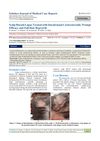 October 2025 in “Scholars Journal of Medical Case Reports”
 Intralesional corticosteroids effectively treat scalp Discoid Lupus and restore hair.
124 citations
,
January 1995 in “The journal of allergy and clinical immunology/Journal of allergy and clinical immunology/The journal of allergy and clinical immunology” Netherton's syndrome is linked to high IgE levels and unique skin and hair symptoms, and may improve with ammonium lactate lotion and allergy management.
Essential oils are effective in skincare for treating acne, hyperpigmentation, and aging, and act as natural preservatives.
 28 citations
,
March 2017 in “African Journal of Traditional Complementary and Alternative Medicines”
28 citations
,
March 2017 in “African Journal of Traditional Complementary and Alternative Medicines” Linseed oil effectively speeds up burn wound healing.
January 2013 in “Health Medicine Research and Practice” Cissus repens ointment helps heal burns effectively.
114 citations
,
October 2006 in “Journal of the European Academy of Dermatology and Venereology” The new clobetasol propionate foam is effective and safe for treating alopecia areata.
4 citations
,
January 2014 in “JOURNAL OF CLINICAL AND DIAGNOSTIC RESEARCH” Oral minipulse therapy effectively treated bullous lichen planus in a 35-year-old woman.
November 2022 in “Journal of Investigative Dermatology” ILC1-like cells can cause alopecia areata by themselves.
 1 citations
,
April 2018 in “Journal of Investigative Dermatology”
1 citations
,
April 2018 in “Journal of Investigative Dermatology” Oleoylethanolamide (OEA) safely boosts fat production in skin cells and may help treat dry skin and reduce inflammation.
 August 2023 in “American Journal of Hospice and Palliative Medicine”
 People in palliative care often have skin problems due to their main illness or other health issues, and treatments focus on comfort and quality of life.
 July 2005 in “SKINmed/Skinmed”
 BRL 7660, once studied for male contraception, showed promise as an acne treatment but was not developed further due to competing drugs.
 January 2023 in “Our Dermatology Online”
 An old recipe called "Champigny Saumure" might help treat a rare scalp condition.
 1 citations
,
March 2023 in “PubMed”
1 citations
,
March 2023 in “PubMed” Rosemary hair lotion significantly promotes hair growth and could be a potential alternative to commercial hair growth products.
 April 2017 in “Australasian Journal of Dermatology”
 Most patients with Lichen planopilaris improved with acitretin, but treatments often didn't work well; preventing infection in skin surgery is important, and bupivacaine might be a better anesthetic.

Topical therapy principles guide how to properly apply treatments directly to the skin.
 13 citations
,
December 2008 in “Veterinary dermatology”
13 citations
,
December 2008 in “Veterinary dermatology” A rabbit with sebaceous adenitis was effectively treated with ciclosporin and medium-chain triglycerides.
 1 citations
,
March 2004 in “Journal of the American Academy of Dermatology”
1 citations
,
March 2004 in “Journal of the American Academy of Dermatology” ZD1839, a cancer drug, can cause mild skin rashes that are treatable without stopping the medication.