13 citations
,
September 2012 in “Cell & tissue research/Cell and tissue research” pCLCA2 protein may help maintain skin structure and function.
 299 citations
,
January 2018 in “Journal of Clinical Investigation”
299 citations
,
January 2018 in “Journal of Clinical Investigation” Different types of fibroblasts play various roles in diseases and healing, and more research on them could improve treatments.
1 citations
,
September 2004 in “Experimental Dermatology” MC-1R is present in skin cells and may help reduce inflammation.
 7 citations
,
January 2019 in “Australasian Journal of Dermatology”
7 citations
,
January 2019 in “Australasian Journal of Dermatology” A genetic marker linked to a type of hair loss was found in most patients studied.
 15 citations
,
December 2015 in “PLoS ONE”
15 citations
,
December 2015 in “PLoS ONE” Fibroblasts can be mistaken for neural cells, so functional validation is needed.
 25 citations
,
January 2019 in “Annals of Dermatology”
25 citations
,
January 2019 in “Annals of Dermatology” Blocking the NOTCH pathway can prevent fibrosis in systemic sclerosis.
1235 citations
,
December 2013 in “Nature” Two fibroblast types shape skin structure and repair differently.
January 2006 in “Linchuang pifuke zazhi” Stem cell factor and certain proteins help melanocytes from hair follicles move and attach better, aiding vitiligo repigmentation.
11 citations
,
January 2022 in “Experimental Dermatology” Severe CCCA may be biologically and clinically different from milder forms.
 July 2023 in “Indian Journal of Animal Health”
 FGF-5 promotes Cashmere goat hair growth by increasing keratin genes and reducing certain LncRNA and target genes.
November 2025 in “Journal of Investigative Dermatology” PCFCL may have unrecognized subtypes and needs more research.
 4 citations
,
December 2017 in “International Journal of Biomedicine”
4 citations
,
December 2017 in “International Journal of Biomedicine” Fibroblast transplantation improves wound healing, with dermal equivalents slightly enhancing skin regeneration.
Mechanical stress causes ligament thickening through WISP-1 and Hedgehog signaling.
 October 2021 in “Journal of Investigative Dermatology”
 Skin cell strength decreases significantly as we age.
 1 citations
,
December 2018 in “Journal of cutaneous pathology”
1 citations
,
December 2018 in “Journal of cutaneous pathology” Some skin growths with mucin can form hair follicles and resemble skin cancer, but a special stain can help tell them apart.
16 citations
,
September 2024 in “Science Translational Medicine” New scientific advancements offer hope for better treatments for skin fibrosis.
5 citations
,
September 2023 in “Journal of Cosmetic Dermatology” c-Maf positive macrophages help form hypertrophic scars by affecting fibroblasts and collagen production.
12 citations
,
December 2021 in “Fundamental Research” Blebbistatin can reduce fibrosis by targeting myofibroblast contraction.
 July 2022 in “Journal of Investigative Dermatology”
 Lef1 is essential for normal skin, hair growth, and healing wounds in mice.
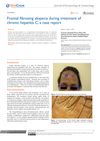 September 2017 in “Journal of Dermatology & Cosmetology”
 Hepatitis C treatment may cause frontal fibrosing alopecia.
 April 2017 in “Journal of Investigative Dermatology”
 HPH-15, a new compound, effectively reduces skin fibrosis in experiments without causing harm.
 2 citations
,
August 2022 in “Emergency medicine international”
2 citations
,
August 2022 in “Emergency medicine international” Keloid skin disorder involves abnormal fibroblast activation and immune response, linked to a group of genes including FGF11.
2 citations
,
January 2025 in “Journal of Nanobiotechnology” A new engineered treatment shows promise in curing heart fibrosis.
August 2025 in “Journal of Investigative Dermatology” Fibronectin is essential for hair follicle regeneration and may help rejuvenate aged skin.
4 citations
,
May 2024 in “Cytotechnology” 21 citations
,
January 2020 in “Brazilian Journal of Medical and Biological Research” H19 may help cause PCOS by affecting CTGF levels, suggesting a new treatment target.
 72 citations
,
November 2012 in “PloS one”
72 citations
,
November 2012 in “PloS one” The protein folliculin, involved in a rare disease, works with another protein to control how cells stick together and their organization, and changes in this interaction can lead to disease symptoms.
January 2024 in “SSRN Electronic Journal” December 2025 in “FEBS Open Bio” Long-term skin biopsy cultures can produce many fibroblasts that remain functional and can be reprogrammed.
15 citations
,
November 2024 in “Journal of Advanced Research” miR-3606-3p reduces skin fibrosis by blocking key signaling pathways.