 January 2016 in “Human & Experimental Toxicology”
 A specific DNA sequence caused hair loss in male mice by activating immune cells and increasing a certain immune signal.
July 2024 in “Journal of Investigative Dermatology”  April 2023 in “Journal of Investigative Dermatology”
 Booster shots of mRNA vaccines for COVID-19 increased protective antibodies without worsening autoimmune skin conditions in patients.
May 2010 in “OPAL (Open@LaTrobe) (La Trobe University)” Vaccines and targeting TrxR variants can help prevent cancer and reduce metastasis.
6 citations
,
December 2022 in “Journal of Infection” The ACE1 gene variant doesn't affect long-COVID symptoms.
lncRNA MRPS28 regulates hair follicle development in cashmere goats, affecting cashmere quality.
 May 1995 in “Journal of Investigative Dermatology”
 Researchers developed a new way to measure gene activity in single hair follicles and found that a specific gene's activity changes with different amounts and times of treatment.
 10 citations
,
March 2022 in “Communications biology”
10 citations
,
March 2022 in “Communications biology” A new non-invasive method can analyze skin mRNA to understand skin diseases better.
June 2020 in “The journal of investigative dermatology/Journal of investigative dermatology” Scientists found new and known long non-coding RNAs in mouse hair follicle stem cells that may be important for stem cell function and could be targets for cancer treatment.
 April 2023 in “Research Square (Research Square)”
 A specific RNA helps increase the growth of skin cells in Liaoning cashmere goats by working with a protein to boost a growth-related gene.
4 citations
,
October 2016 in “The journal of investigative dermatology/Journal of investigative dermatology” Using an anti-ICAM-1 antibody with rapamycin improves hair transplant survival in monkeys.
11 citations
,
October 2014 in “Gene” Researchers identified a new variant of the FGF5 gene in sheep that affects hair length.
22 citations
,
May 2007 in “Molecular Biotechnology” July 2005 in “The American Journal of Human Genetics” The AR gene is linked to male-pattern baldness, TNFSF4 to heart disease, SLC19A3 to BBGD, MCT8 to a syndrome, and segmental duplications to genetic variation.
 June 2026 in “Frontiers in Oncology”
 GSDMA deficiency slows skin cancer growth.
5 citations
,
March 2020 in “Thoracic Cancer” CT-707 is effective and safe for treating certain Chinese lung cancer patients.
 68 citations
,
November 2015 in “The Journal of Allergy and Clinical Immunology”
68 citations
,
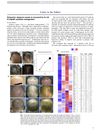
November 2015 in “The Journal of Allergy and Clinical Immunology” Blocking IL-12/IL-23p40 helped reverse severe hair loss in patients.
 67 citations
,
January 2020 in “Cellular & Molecular Immunology/Cellular & molecular immunology”
67 citations
,
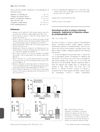
January 2020 in “Cellular & Molecular Immunology/Cellular & molecular immunology” Tissue-resident memory T cells can protect against infections and cancer but may also contribute to autoimmune diseases.
 5 citations
,
June 2015 in “British Journal of Dermatology”
5 citations
,
June 2015 in “British Journal of Dermatology” A certain medication improved severe itching in a boy with liver and bowel disease by reducing histamine levels, suggesting a new treatment target.
3 citations
,
February 2018 in “Experimental and Molecular Medicine/Experimental and molecular medicine” A protein called PCBP2 controls the production of a hair growth protein by interacting with its genetic message and is linked to hair loss when this control is disrupted.
 January 2025 in “BMC Genomics”
 Key genes and RNA networks regulate hair growth and follicle density in Rex rabbits.
5 citations
,
April 2022 in “Genes” miR-129-5p affects hair growth by targeting the HOXC13 gene.
 November 2022 in “Gigascience”
 A specific genetic deletion in goats affects cashmere yield and thickness.
 April 2025 in “International Journal of General Medicine”
 The G allele of IFITM3 rs12252 is linked to more severe COVID-19.
26 citations
,
March 1995 in “Differentiation” A rabbit gene important for hair development was identified and detailed.
 April 2024 in “Pigment cell & melanoma research”
 Different types of resting melanocyte stem cells have unique characteristics and vary in their potential to become other cells.
The microenvironment affects the behavior and survival of melanocytes with the GNAQ oncogene in melanoma.
 17 citations
,
June 2019 in “BMC genomics”
17 citations
,
June 2019 in “BMC genomics” Non-coding RNAs help control hair growth in cashmere goats.
 March 2025 in “Animal Bioscience”
 Goats' hair and color traits are linked to specific RNA expressions, useful for breeding and textiles.
10 citations
,
February 2019 in “Journal of Cellular Biochemistry” Specific RNA patterns are linked to alopecia areata.