
Tacrolimus causes fewer acute rejections than cyclosporin A in kidney transplants but doesn't necessarily improve kidney function after one year; cardiovascular risks and side effects vary between the two drugs.
 March 2025 in “International Journal of Trichology”
 The combined treatment improved hair growth and scalp health in a patient with scalp alopecia from birth.
2 citations
,
July 2022 in “The Kaohsiung Journal of Medical Sciences” FTY720 helps transplanted fat survive better by reducing immune rejection and improving blood vessel growth.
July 2025 in “Pediatric Transplantation” A rare skin infection in a 10-year-old kidney transplant patient was successfully managed by adjusting medication.
 4 citations
,
January 2005 in “Elsevier eBooks”
4 citations
,
January 2005 in “Elsevier eBooks” Follicular Unit Transplantation is a precise hair restoration technique that requires careful planning and a skilled team, and Follicular Unit Extraction offers a less invasive option.
 January 2024 in “Wiadomości Lekarskie”
 Cell therapy is advancing with stem cell transplants and genetically modified cells improving treatment for diseases like cancer and autoimmune disorders.
 5 citations
,
March 1985 in “Head & Neck Surgery”
5 citations
,
March 1985 in “Head & Neck Surgery” Combining scalp reduction and hair transplants improves coverage and appearance for male baldness.
 3 citations
,
November 2008 in “Facial Plastic Surgery”
3 citations
,
November 2008 in “Facial Plastic Surgery” Adding hair restoration to a cosmetic surgery practice requires a skilled team and specialized equipment.
 October 2021 in “Aesthetic Plastic Surgery”
 New techniques in hair restoration surgery can lead to better hair alignment.
 October 2001 in “Dermatologic Surgery”
 Cutting and implanting hair follicles can create finer, more natural-looking hairlines, with about half of the implanted hairs growing back.
Proper planning and careful extraction are crucial for successful and sustainable hair transplants.
 November 2004 in “Hair transplant forum international”
 The health of the area receiving a transplant affects the survival of the tiny grafts.
3 citations
,
April 2000 in “Plastic and Reconstructive Surgery” 6 citations
,
August 2024 in “Aesthetic Plastic Surgery” Recipient site necrosis is a rare but serious complication of hair transplants, often linked to smoking, diabetes, and hypertension.
 19 citations
,
April 2010 in “Journal of Dermatological Treatment”
19 citations
,
April 2010 in “Journal of Dermatological Treatment” Partial hair follicle extraction can effectively double the number of hair follicles for transplants, with most surviving and growing normally after a year.
 4 citations
,
May 2013 in “Annals of Plastic Surgery”
4 citations
,
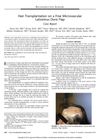
May 2013 in “Annals of Plastic Surgery” Hair transplants onto a scalp reconstruction flap improved appearance successfully.
 July 2021 in “CRC Press eBooks”
 Hair transplantation moves hair to bald areas and it should grow like it did before, but it's not a perfect cure for hair loss.
 5 citations
,
August 2011 in “Dermatologic Surgery”
5 citations
,
August 2011 in “Dermatologic Surgery” Artificial dermis used for hair transplantation can reconstruct scalp defects effectively without the need for tissue expansion.
January 2013 in “Biology of blood and marrow transplantation” Rapamycin increased survival in mice with severe chronic graft-versus-host disease by expanding regulatory T cells.
 March 2024 in “Cirugía y Cirujanos (English Edition)”
 Kidney transplant patients often have skin issues, mainly infections.
 18 citations
,
April 2010 in “Actas Dermo-Sifiliográficas”
18 citations
,
April 2010 in “Actas Dermo-Sifiliográficas” Follicular unit hair transplantation is the standard method for natural-looking hair restoration in androgenic alopecia.
 17 citations
,
June 2016 in “Croatian Medical Journal”
17 citations
,
June 2016 in “Croatian Medical Journal” Patients with chronic graft-versus-host disease often have skin problems like vitiligo and alopecia areata.
 June 1997 in “The American Journal of Cosmetic Surgery”
 Reharvesting hair from donor sites using punch and strip methods can provide more hair for transplants and improve scar appearance.
Autologous Regenerative Therapy may improve hair restoration by using stem cells from fat.
Hair transplantation can effectively restore hair in stabilized hair loss cases.
 7 citations
,
September 2017 in “Journal der Deutschen Dermatologischen Gesellschaft”
7 citations
,
September 2017 in “Journal der Deutschen Dermatologischen Gesellschaft” Occipital donor sites for skin grafts heal faster, hurt less, look better, and have fewer complications than femoral sites.
13 citations
,
December 2021 in “Journal of Cellular and Molecular Medicine” Exosome-enriched vesicles from placental cells improved skin condition in a patient with chronic graft-versus-host disease.
5 citations
,
April 2017 in “The journal of investigative dermatology/Journal of investigative dermatology” The gene therapy showed significant wound healing and was safe for treating severe RDEB.
7 citations
,
January 2017 in “Stem Cells International” Neural organoids show promise for future CNS disease treatments.
July 2026 in “Plastic and Aesthetic Research” Fat transplantation is becoming important in medicine for repairing tissues and delivering drugs.