 December 2017 in “bioRxiv (Cold Spring Harbor Laboratory)”
 Endoglin is important for proper hair growth cycles and stem cell activation in hair follicles.
20 citations
,
July 2005 in “Experimental dermatology” The fuzzy gene is crucial for controlling hair growth cycles.
May 2022 in “The journal of investigative dermatology/Journal of investigative dermatology” Loss of TET2 increases the risk of skin and oral cancer.
 51 citations
,
February 2009 in “Journal of dermatological science”
51 citations
,
February 2009 in “Journal of dermatological science” Pitx2 helps outer root sheath cells differentiate but can't start hair growth on its own.
December 2009 in “Cancer Research” Over-expression of Sp2 can lead to cancer by preventing proper stem cell differentiation.
 133 citations
,
May 2016 in “Cell Host & Microbe”
133 citations
,
May 2016 in “Cell Host & Microbe” Human dermal fibroblasts are the main cells targeted by a virus that can cause a deadly skin cancer, and a certain inhibitor can effectively block this infection.
 25 citations
,
January 2014 in “Annals of Dermatology”
25 citations
,
January 2014 in “Annals of Dermatology” Sfrp2 increases during hair follicle catagen phase and slows keratinocyte growth.
December 2004 in “PLoS ONE” The Foxn1(-/-) phenotype disrupts hair growth and affects skin stem cells.
 April 2023 in “The journal of investigative dermatology/Journal of investigative dermatology”
 SETDB1 is essential for controlling DNA methylation, silencing retrotransposons, and maintaining skin cell health, with its absence leading to skin inflammation and hair loss.
October 2020 in “Faculty Opinions – Post-Publication Peer Review of the Biomedical Literature” Stem cell niche exit in C. elegans is influenced by Sh1 cell membrane protrusions.
79 citations
,
October 2003 in “PubMed” Overexpression of PKCepsilon leads to increased TNFalpha, promoting metastatic squamous cell carcinoma in mice.
421 citations
,
September 2003 in “Development” Stem cell behavior varies with stimuli, and lineage changes can happen without affecting stem cell division.
16 citations
,
August 2021 in “Tumor Biology” TMPRSS2 helps viruses enter cells and protects the prostate from inflammation-related cancer.
27 citations
,
October 1998 in “Differentiation” Basonuclin helps identify and track hair follicle development and cycling in mice.
6 citations
,
January 2010 in “Journal of Biochemical and Molecular Toxicology” The ID2 gene can help distinguish between sensitizers and irritants in skin cells.
 1 citations
,
June 2018 in “International Journal of Dermatology”
1 citations
,
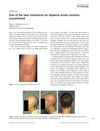
June 2018 in “International Journal of Dermatology” DNCB is highly effective for treating alopecia areata with minimal long-term side effects.
 April 2023 in “Journal of Investigative Dermatology”
 Changing YBX1 protein activity affects skin stem cell function and aging.
297 citations
,
January 2002 in “Development” Overexpression of ΔNLef1 in mouse skin leads to hair loss, cysts, and skin tumors.
 April 2018 in “Journal of Investigative Dermatology” 9 citations
,
July 2007 in “Circulation Research”
April 2018 in “Journal of Investigative Dermatology” 9 citations
,
July 2007 in “Circulation Research” Defects in certain proteins cause major heart abnormalities during early development.
 July 2024 in “New Phytologist”
 PDF2 senses specific lipids and regulates root growth and gene expression in Arabidopsis.
January 2006 in “Chieh P'ou Hsueh Pao” A method was found to select hair follicle stem cells, and beta-catenin helps them grow and change.
January 2026 in “Biomaterials”  23 citations
,
June 2016 in “FEBS Journal”
23 citations
,
June 2016 in “FEBS Journal” Boosting β-catenin signaling in certain skin cells can enhance hair growth.
13 citations
,
January 2010 in “Immunopharmacology and immunotoxicology” Diphencyprone increases Bcl-2 protein in patients with hair regrowth from alopecia areata.
50 citations
,
May 2020 in “FEBS Letters” New techniques improve understanding of cell cycle dynamics at the single-cell level.
6 citations
,
June 2016 in “Journal of cellular biochemistry” The Hr protein binds to DNA, interacts with p53, and affects cell cycle genes.
 April 2026 in “Institutional Repositories DataBase (IRDB)”
 CD200- cells in hair follicles have a higher ability to regenerate hair.
January 2014 in “生命科学(ISSN1934-7391)” A certain gene variation can affect protein production and is linked to male pattern baldness.
 14 citations
,
January 2011 in “Journal of Cutaneous Pathology”
14 citations
,
January 2011 in “Journal of Cutaneous Pathology” CK15 is not a reliable marker for stem cells in damaged hair follicles from patients with CCCA.