 April 2017 in “Journal of Investigative Dermatology”
 The PON1 192R gene variant is linked to a higher risk of psoriasis and heart disease in Western Mexico.
1 citations
,
June 2025 in “Frontiers in Genetics” Key genes IRF2BP2 and EGFR are linked to Hetian sheep's double-coat fleece.
 45 citations
,
January 2010 in “Journal of Veterinary Medical Science”
45 citations
,
January 2010 in “Journal of Veterinary Medical Science” A gene mutation causes curly hair and hair loss in rats.
43 citations
,
April 1996 in “Journal of Investigative Dermatology” ETS2 is crucial in squamous cell carcinoma development and could be a therapeutic target.
2 citations
,
November 2004 in “Blood” RXRa is crucial for Th2 immune cell development and may link nutrition to immune health.
 1 citations
,
April 2023 in “Frontiers in Genetics”
1 citations
,
April 2023 in “Frontiers in Genetics” The document concludes that individuals with a rare genetic disorder linked to the AEBP1 gene may experience a unique type of hair loss and should be monitored for heart issues.
 June 2026 in “Frontiers in Cell and Developmental Biology”
 LHX2 is crucial for development, tissue repair, and preventing diseases.
 1 citations
,
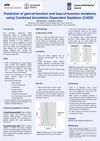
September 2017
1 citations
,
September 2017 C-scores can help predict gain-of-function and loss-of-function mutations.
November 2024 in “Journal of Investigative Dermatology” 2 citations
,
March 2007 in “The journal of investigative dermatology/Journal of investigative dermatology” A new type of hereditary hair loss in a Chinese family is linked to chromosome 2p25.1–2p23.2.
 October 2017 in “The Indian Journal of Animal Sciences”
 The prolactin gene polymorphism doesn't affect cashmere quality in these goats.
1 citations
,
September 2023 in “Animals” A new goat gene affects cashmere fiber thickness; certain variations can make the fibers coarser.
 40 citations
,
January 2013 in “Frontiers in Endocrinology”
40 citations
,
January 2013 in “Frontiers in Endocrinology” Finger length ratios are not linked to the number of specific gene repeats affecting testosterone sensitivity.
35 citations
,
January 2006 in “Cancer Research” Mice with extra PKCδ resist chemical-induced skin cancer but not UV-induced.
 20 citations
,
December 2000 in “Fertility and Sterility”
20 citations
,
December 2000 in “Fertility and Sterility” The N363S gene variant does not cause higher adrenal androgen levels in women with polycystic ovary syndrome.
 7 citations
,
January 2019 in “Australasian Journal of Dermatology”
7 citations
,
January 2019 in “Australasian Journal of Dermatology” A genetic marker linked to a type of hair loss was found in most patients studied.
4 citations
,
January 2009 in “PubMed” A mutation in the KRT86 gene causes hair fragility in a Turkish family.
 March 2024 in “Research Square (Research Square)”
 Combining genetic and physical trait analysis improves diagnosis accuracy for monogenic diabetes.
18 citations
,
January 2018 in “BMC dermatology” A new mutation in the PLEC gene causes a rare condition with skin blistering, muscle weakness, and hair loss.
1 citations
,
July 2024 in “JCEM Case Reports” A new genetic variant of Woodhouse-Sakati syndrome was found in two adult sisters in Russia.
November 2022 in “Frontiers in pediatrics” A girl with skin rashes and low zinc levels improved with zinc supplements and had new gene mutations linked to her condition.
 September 2024 in “Journal of the American Academy of Dermatology”
 PRO-C22 can help diagnose and monitor the severity of hidradenitis suppurativa.
174 citations
,
July 2003 in “The Journal of Clinical Endocrinology & Metabolism” Five new mutations in the androgen receptor gene were found, helping to understand androgen insensitivity syndrome better.
July 2024 in “Journal of Investigative Dermatology” CD8+ T cells expand significantly in alopecia areata, suggesting new treatment targets.
 5 citations
,
September 2015 in “BMC Medical Genetics”
5 citations
,
September 2015 in “BMC Medical Genetics” The EDAR gene mutation leads to thinner and more deformed hair shafts.
1 citations
,
November 2025 in “Aging Cell” EDA2R is a key gene linked to ageing and diseases, and targeting it may help treat conditions like hair loss and chronic diseases.
 April 2017 in “Journal of Investigative Dermatology”
 Deep phenotyping helps distinguish between xeroderma pigmentosum and trichothiodystrophy, aiding in diagnosis and treatment.
 11 citations
,
March 2013 in “Gene”
11 citations
,
March 2013 in “Gene” A certain genetic variation in the IL1A gene may lower the risk of a hair loss condition in Chinese people.
54 citations
,
January 1995 in “Human Molecular Genetics” Monilethrix is linked to a gene cluster on chromosome 12.