18 citations
,
April 2016 in “The journal of immunology/The Journal of immunology” Thymic mesenchymal cells have unique gene expression that supports their specific functions in the thymus.
13 citations
,
July 2024 in “BMC Genomics” New genes and markers can help breed better cashmere goats.
 12 citations
,
January 2019 in “Journal of Endocrinology”
12 citations
,
January 2019 in “Journal of Endocrinology” Baicalin may help reduce excessive male hormone levels in PCOS.
9 citations
,
December 2022 in “Genes” CNVs influence hair length in Tianzhu white yaks.
9 citations
,
March 2018 in “International journal of molecular sciences” Allopregnanolone changes gene expression in glioblastoma cells.
7 citations
,
January 2025 in “Journal of Experimental & Clinical Cancer Research” PRMT5 inhibitors effectively fight adenoid cystic carcinoma in salivary glands.
3 citations
,
January 2025 in “BMC Medical Informatics and Decision Making” Machine learning can help find new ways to treat alopecia areata.
 3 citations
,
April 2022 in “International Journal of Molecular Sciences”
3 citations
,
April 2022 in “International Journal of Molecular Sciences” Scientists turned mouse skin cells into hair-inducing cells using chemicals, which could help treat hair loss.
2 citations
,
July 2025 in “Analytical Chemistry” The method effectively images and correlates elements and metabolites in tissue samples at a micron scale.
1 citations
,
July 2025 in “Journal of Human Immunity” Minoxidil helps restore thymus size in 22q11.2 deletion syndrome.
 February 2025 in “Biomolecules”
 Melatonin can help or hinder hair growth depending on the dose.
 October 2023 in “Scientific Reports”
 Oxytocin may help hair grow by increasing hair growth-related genes and factors.
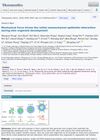 January 2023 in “Theranostics”
 Mechanical force is important for the first contact between skin cells and hair growth in mini-organs.

Skin stem cells in hair follicles are important for touch sensation.
 June 2024 in “Computational and Structural Biotechnology Journal”
 Multi-omics techniques help understand the molecular causes of androgenetic alopecia.
5 citations
,
February 2025 in “Cell Reports” Skin acetyl-CoA synthesis is crucial for overall lipid balance.
May 2026 in “Cell Reports Medicine” FR-1 reduces skin scarring and promotes healing without harmful effects.
44 citations
,
February 2023 in “Cell” Fingerprints form uniquely before birth due to specific genetic pathways and local signals.
181 citations
,
January 2019 in “Cell” Innate lymphoid cells help control skin bacteria by regulating sebaceous glands.
 5 citations
,
June 2024 in “Developmental Cell”
5 citations
,
June 2024 in “Developmental Cell” Activating TRPV1 can boost hair growth by involving neurons, macrophages, and fibroblasts.
February 2026 in “iScience” Hair metal analysis may help diagnose Parkinson's disease and suggests gut involvement.
 March 2025 in “Human Genetics and Genomics Advances”
 Genetic predictions of baldness in Europeans don't apply well to African men.
234 citations
,
November 2009 in “American journal of human genetics” Common variants in the Trichohyalin gene are linked to straight hair in Europeans.
112 citations
,
August 2012 in “The American Journal of Human Genetics” Mutations in the RBPJ gene cause Adams-Oliver Syndrome.
18 citations
,
March 2023 in “Molecular Therapy — Nucleic Acids” Mechanical stimuli and CCL2 can help regenerate hair follicles in adult mice.
4 citations
,
February 2023 in “iScience” Korean long-tailed chickens have unique genes valuable for ornamental breeding.
2 citations
,
June 2024 in “Heliyon” The rare cliff plant Oresitrophe rupifraga has diverse metabolites, with leaves rich in phenolic acids and rhizomes and bulblets high in terpenoids, aiding its growth and potential use.

YH0618 helps reduce chemotherapy-induced hair loss by targeting specific proteins and pathways.
 100 citations
,
November 2021 in “Cell Research”
100 citations
,
November 2021 in “Cell Research” Cepharanthine and Trifluoperazine are effective against SARS-CoV-2.
 17 citations
,
February 2015 in “Cell Death and Disease”
17 citations
,
February 2015 in “Cell Death and Disease” Inhibiting AP1 in mice skin causes structural changes and weakens the skin barrier.