54 citations
,
May 2021 in “Chemical Engineering Journal” The developed scaffold effectively treats chronic wounds by promoting healing and preventing infection.
 25 citations
,
July 2016 in “The journal of investigative dermatology/Journal of investigative dermatology”
25 citations
,
July 2016 in “The journal of investigative dermatology/Journal of investigative dermatology” Imiquimod cream activates hair follicle stem cells and causes early hair growth by changing immune cells and certain protein expressions.
 25 citations
,
November 2008 in “Ophthalmic Plastic and Reconstructive Surgery”
25 citations
,
November 2008 in “Ophthalmic Plastic and Reconstructive Surgery” Radiofrequency and scalpel incisions have similar clinical outcomes for upper eyelid surgery.
22 citations
,
July 1987 in “Transplantation” Topical cyclosporine significantly extends skin graft survival in rats.
14 citations
,
November 2022 in “Archives of Dermatological Research” The green-light LED microneedle patch effectively promotes hair growth.
 9 citations
,
July 2022 in “Dermatology and Therapy”
9 citations
,
July 2022 in “Dermatology and Therapy” The laser treatment effectively and safely improved keratosis pilaris.
 5 citations
,
January 1998 in “Journal of Toxicologic Pathology”
5 citations
,
January 1998 in “Journal of Toxicologic Pathology” Maneb causes delayed hair follicle damage in rats.
2 citations
,
January 2024 in “Journal of Personalized Medicine” Combining stem cells with platelet-rich plasma improves bowel healing in rats.
2 citations
,
October 2023 in “Cancer Reports” Mitochondrial features can predict colorectal cancer outcomes and improve immunotherapy.
1 citations
,
June 2021 in “bioRxiv (Cold Spring Harbor Laboratory)” UV exposure harms skin by causing fibroblast loss, but T cells help fibroblast survival.
 April 2026 in “Research Square”
 COVID-19 can harm male fertility by reducing sperm stem cells and damaging testicular function.
April 2026 in “Journal of Investigative Dermatology” ZNF750 helps keep hair follicles healthy and prevents skin inflammation.
 February 2026 in “Inflammopharmacology”
 Pistacia atlantica leaf ointment effectively heals wounds like phenytoin, with added antibacterial and anti-inflammatory benefits.
 November 2025 in “Cancer Management and Research”
 Targeting Keratin 17 may help overcome cancer therapy resistance.
 August 2025 in “The Nishinihon Journal of Dermatology”
 Prednisolone treatment improved symptoms and hair regrowth in a patient with Cronkhite-Canada Syndrome.
 May 2025 in “Frontiers in Pharmacology”
 Targeting gut microbiome and metabolome may help treat autoimmune skin diseases like alopecia areata.
August 2024 in “Skin Research and Technology” TAF can be identified by excessive skin thickening and clogged hair follicles, helping distinguish it from similar skin conditions.
May 2024 in “The Journal of Immunology” IL-27 can prevent hair loss in alopecia areata.
 November 2023 in “The journal of investigative dermatology/Journal of investigative dermatology”
 The study developed a mouse model for Alopecia Areata that responds to treatment, useful for future research.
 July 2022 in “Journal of Investigative Dermatology”
 IL-15 helps maintain hair growth and protects the immune status of hair follicles.
 January 2020 in “Nihon rinsho hifukaikai zasshi”
 A woman's temporary hair loss was caused by high prolactin levels from her medication.
 April 2017 in “Journal of Investigative Dermatology”
 The protein CTCF is essential for skin development, maintaining hair follicles, and preventing inflammation.
SLE patients experience hair loss similar to telogen effluvium, with hair damage and immune activity at hair follicles.
164 citations
,
December 1984 in “Proceedings of the National Academy of Sciences” TCDD reduces EGF receptor activity and causes various developmental changes in animals.
 January 2020 in “International Journal of PharmTech Research”
 A man with severe leprosy developed painless ulcers and numbness, treated successfully with multiple drugs and vitamins.
10 citations
,
April 2017 in “Journal of Investigative Dermatology” The gut microbiome affects the development of alopecia areata.
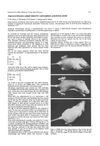 2 citations
,
September 1980 in “Experientia”
2 citations
,
September 1980 in “Experientia” Polyethylene alanine caused hair loss in young lab animals but not in adults, with hair regrowth occurring within 20 days.
 86 citations
,
June 2017 in “Stem cell investigation”
86 citations
,
June 2017 in “Stem cell investigation” Stem cells from hair follicles can safely treat hair loss.
135 citations
,
October 1999 in “Journal of Cell Science” Overexpressing PKCα in mice skin increases inflammation but doesn't affect tumor growth.
 24 citations
,
January 2012 in “Indian Journal of Dermatology, Venereology and Leprology”
24 citations
,
January 2012 in “Indian Journal of Dermatology, Venereology and Leprology” Diffuse alopecia areata involves more inflammation and higher allergy-related antibodies than patchy types.