2 citations
,
May 2024 in “International Journal of Molecular Sciences” Targeting CD169+ skin macrophages may help treat psoriasis.
30 citations
,
September 2000 in “Journal of Dermatological Science” Fatty acid composition in human skin, mouth, and hair cells varies with keratinization, and cultured cells show essential fatty acid deficiency.

Insect eggshells form through specialized cell processes and gene regulation, with potential for pest control innovations.
12 citations
,
October 2023 in “International Journal of Molecular Sciences” Understanding how skin cells react to pressure can help diagnose and manage pressure-related skin disorders.
September 2021 in “Morphologia” Dermal fibroblasts have at least three distinct types, each with unique roles in skin structure and hair development.
 August 2023 in “International Journal of Molecular Sciences”
 The human scalp hair bulb contains different types of melanocytes with varying abilities to produce melanin.
 August 2024 in “International Journal of Molecular Sciences”
 Androgenetic alopecia involves immune cell disruptions, especially increased CD4+ T cells around hair follicles.
 June 2023 in “Research Square (Research Square)”
 Hair loss in male pattern baldness is linked to changes in immune cell behavior around hair follicles.
228 citations
,
June 2021 in “Frontiers in Immunology” Macrophage issues cause chronic wound inflammation, but therapies can help.
38 citations
,
February 2021 in “Journal of Investigative Dermatology” Aging slows wound healing due to weaker cells and immune response.
21 citations
,
January 2023 in “International Journal of Molecular Sciences” S100A6 protein is linked to disease progression, especially in cancers.
12 citations
,
November 2024 in “Burns & Trauma” Neuroregulation is crucial for skin wound healing and can be targeted to improve recovery.
7 citations
,
October 2022 in “Development Growth & Differentiation” Tissue stem cells originate from specific areas in organs and are vital for organ maintenance and repair.
February 2026 in “Molecular and Cellular Probes” Stem cell and plant exosomes may help heal and regenerate skin.
February 2026 in “American Journal Of Pathology” Skin organoids can mimic human skin responses to injury and inflammation, making them useful for studying skin diseases and testing treatments.
 November 2023 in “The journal of investigative dermatology/Journal of investigative dermatology”
 The article concludes that creating a detailed map of normal human skin at the single-cell level is important.
February 2026 in “Exploration” Advancements in gene therapy, stem cells, and biomaterials show promise for reducing scarring in wound healing, but face clinical challenges.
 November 2023 in “The journal of investigative dermatology/Journal of investigative dermatology”
 Skin cells and certain hair follicle areas produce hemoglobin, which may help protect against oxidative stress like UV damage.
Different types of sun exposure damage skin cells and immune cells, with chronic exposure leading to more severe and lasting damage.
 721 citations
,
October 2011 in “Nature”
721 citations
,
October 2011 in “Nature” Different types of long-lasting stem cells are responsible for the growth and upkeep of the mammary gland.
 116 citations
,
September 2020 in “Nature Communications”
116 citations
,
September 2020 in “Nature Communications” The research identified various cell types in mouse and human teeth, which could help in developing dental regenerative treatments.
 1 citations
,
January 2011 in “Springer eBooks”
1 citations
,
January 2011 in “Springer eBooks” Histone demethylases play a key role in the development of many diseases and may be targets for treatment.
 133 citations
,
September 2013 in “Nature Reviews Molecular Cell Biology”
133 citations
,
September 2013 in “Nature Reviews Molecular Cell Biology” Different types of stem cells and their environments are key to skin repair and maintenance.
 15 citations
,
February 2021 in “Scientific Reports”
15 citations
,
February 2021 in “Scientific Reports” A specific group of stem cells can help regenerate hair continuously.
 1 citations
,
June 2021 in “bioRxiv (Cold Spring Harbor Laboratory)”
1 citations
,
June 2021 in “bioRxiv (Cold Spring Harbor Laboratory)” Activating β-catenin in mammary cells leads to changes that cause early-stage abnormal growths similar to skin structures.
 1 citations
,
July 2016 in “Elsevier eBooks”
1 citations
,
July 2016 in “Elsevier eBooks” Understanding skin structure and development helps diagnose and treat skin disorders.
 September 2013 in “Science”
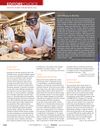
 Certain astrocytes can protect the brain and improve recovery after a stroke, and a hair loss drug might reduce cancer spread.
 September 2013 in “Science”
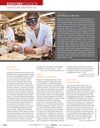
 Special astroglia cells improved stroke recovery in rats, a hair growth drug reduced cancer spread, and tiny magnesium structures were more easily shaped.
 September 2013 in “Science”
 Special astrocytes improved learning and memory in rats after a stroke.
 September 2013 in “Science”
 Transplanted human Olig2+ astroglia may help improve learning and memory after a stroke.