 February 2024 in “International neuropsychiatric disease journal”
 Alopecia areata severely impacts quality of life, mental health, and work productivity.
January 2024 in “Case Reports in Endocrinology” Cortisone tapering may help improve severe myasthenia gravis and alopecia areata after thymectomy.
 33 citations
,
September 2012 in “Australasian Journal of Dermatology”
33 citations
,
September 2012 in “Australasian Journal of Dermatology” Chemotherapy can cause hair changes similar to alopecia areata, which might lead to misdiagnosis.
 October 2025 in “Dermatology Practical & Conceptual”
 Severe COVID-19 often leads to hair loss in India.
 1 citations
,
July 2012 in “Nasza Dermatologia Online”
1 citations
,
July 2012 in “Nasza Dermatologia Online” CCCA may be caused by both hair traction and an immune response.
 May 2023 in “Vestnik dermatologii i venerologii”
 Early-stage male pattern baldness shows two types of hair loss: one on the top of the head linked to hormonal changes, and another at the back of the head. The top hair loss responds well to specific treatment, while the back hair loss does not.
 2 citations
,
January 2021 in “Przegląd Dermatologiczny (1959)”
2 citations
,
January 2021 in “Przegląd Dermatologiczny (1959)” The article discusses various treatments for different types of non-scarring hair loss.
November 2025 in “Zenodo (CERN European Organization for Nuclear Research)” Alopecia areata causes sudden, patchy hair loss due to immune system attacks on hair follicles.
 August 2022 in “RECISATEC”
 Female pattern hair loss is common, often starts in the 30s or 40s, worsens after menopause, and can negatively affect quality of life.
 22 citations
,
June 2012 in “PLOS ONE”
22 citations
,
June 2012 in “PLOS ONE” Cholesterol-related compounds can stop hair growth and cause inflammation in a type of scarring hair loss.
 32 citations
,
August 2003 in “Journal of the American Academy of Dermatology”
32 citations
,
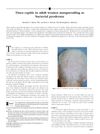
August 2003 in “Journal of the American Academy of Dermatology” Tinea capitis can be misdiagnosed as bacterial infection in adult women but is treatable with antifungal medication.
 June 2025 in “Indian Dermatology Online Journal”
 Severe hair loss may worsen with skin condition, suggesting treating the skin might help.
5 citations
,
June 2002 in “Clinical and Experimental Dermatology” Alopecia areata management involves explaining the condition, using treatments like steroids and immunotherapy, and providing support like counseling and wigs.
 January 2009 in “CRC Press eBooks”
 Androgenetic alopecia, or common baldness, is the main cause of hair loss in men due to shrinking hair follicles from hormones, and it's normal but can be a problem if it's too much or too early.
July 2024 in “LA CIENCIA AL SERVICIO DE LA SALUD Y NUTRICIÓN” The condition is harmless, doesn't worsen, and needs no invasive treatment.
Scalp cooling can help prevent hair loss in about half of chemotherapy patients.
1 citations
,
January 2016 in “Dermatology Online Journal” Triangular temporal alopecia can occur in adults and should be correctly identified to prevent misdiagnosis.
 1 citations
,
January 2024 in “Acta Bioclínica”
1 citations
,
January 2024 in “Acta Bioclínica” Hair and scalp health needs more attention in medical training.
 1 citations
,
March 2012 in “Indian Journal of Rheumatology”
1 citations
,
March 2012 in “Indian Journal of Rheumatology” Most lupus patients in the study experienced hair loss, which greatly affected their mental and social well-being.
 23 citations
,
August 2018 in “Anais Brasileiros De Dermatologia”
23 citations
,
August 2018 in “Anais Brasileiros De Dermatologia” Both androgenetic alopecia and alopecia areata negatively impact quality of life, with no significant difference between them.
November 2025 in “Zenodo (CERN European Organization for Nuclear Research)” Alopecia areata causes sudden, patchy hair loss due to an immune attack on hair follicles.
 November 2023 in “International Journal of Dermatology”
 Most women with long-term, widespread hair loss need a tissue examination for an accurate diagnosis.
 January 1991 in “Journal of Pediatric Health Care”
 Hair loss in children can be caused by fungal infections, trauma, autoimmune disorders, or stress, and treatments vary depending on the cause.
 65 citations
,
November 2016 in “Journal of The American Academy of Dermatology”
65 citations
,
November 2016 in “Journal of The American Academy of Dermatology” The document concludes that early recognition and treatment of primary cicatricial alopecia is crucial to prevent permanent hair loss.
1 citations
,
January 2021 in “Clinical dermatology review” Severe hair loss significantly worsens quality of life.
September 2023 in “Journal of the American Academy of Dermatology” Severe alopecia areata may increase the risk of hidden artery disease.
 28 citations
,
January 2014 in “Indian Journal of Dermatology, Venereology and Leprology”
28 citations
,
January 2014 in “Indian Journal of Dermatology, Venereology and Leprology” Chinese patients with primary cicatricial alopecia often have folliculitis decalvans, benefit from treatment, but may experience relapse, with dermoscopy being a useful diagnostic tool.
January 2025 in “Indian Journal of Dermatology” High fever from COVID-19 might trigger hair loss.
 4 citations
,
March 2023 in “Current Oncology”
4 citations
,
March 2023 in “Current Oncology” Scalp cooling is the only FDA-approved method to prevent hair loss from chemotherapy, but other treatments like minoxidil and PRP are being tested.
 1 citations
,
July 1996 in “Clinical and Experimental Dermatology”
1 citations
,
July 1996 in “Clinical and Experimental Dermatology” Routine thyroid tests for diffuse alopecia in women may not be necessary, but checking for iron deficiency anemia could be useful.