 17 citations
,
October 2013 in “F1000Research”
17 citations
,
October 2013 in “F1000Research” A 2-year-old boy grew excessive hair after using minoxidil for hair loss, but it improved when the treatment stopped.
 December 2023 in “International Journal of Biological Macromolecules”
 Chitosan nanoparticles loaded with Minoxidil were effective for hair growth but released the drug more slowly than the amphiphilic derivative.
March 2023 in “Journal of Cosmetic Dermatology” Low-dose oral minoxidil improved hair growth when topical treatments failed.
 33 citations
,
April 1990 in “Dermatologic Clinics”
33 citations
,
April 1990 in “Dermatologic Clinics” Minoxidil effectively treats hair loss, with better results in women.
 December 2025 in “Saudi Pharmaceutical Journal”
 The new minoxidil formula speeds up hair growth effectively.
 101 citations
,
October 2013 in “Journal of The Saudi Pharmaceutical Society”
101 citations
,
October 2013 in “Journal of The Saudi Pharmaceutical Society” Minoxidil-loaded NLC gel shows potential for effective alopecia treatment.
 35 citations
,
July 1981 in “Clinical Pharmacology & Therapeutics”
35 citations
,
July 1981 in “Clinical Pharmacology & Therapeutics” Minoxidil can cause dangerous fluid buildup around the heart.
 11 citations
,
January 1980 in “Southern Medical Journal”
11 citations
,
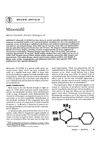
January 1980 in “Southern Medical Journal” Minoxidil effectively treats severe hypertension but has notable side effects.
January 2012 in “Open MIND” Oral minoxidil can cause painful skin bumps and scarring in some people.
 66 citations
,
September 1982 in “Biochemical Pharmacology”
66 citations
,
September 1982 in “Biochemical Pharmacology” Liver enzyme helps minoxidil work better for blood vessel relaxation.
 December 2023 in “Farmateka”
 Minoxidil is an effective and safe treatment for common hair loss when applied to the skin, but more research is needed for optimal use.
 January 2026 in “International Journal of Dermatology Venereology and Leprosy Sciences”
 Topical 5% minoxidil is effective and safe for treating androgenetic alopecia, especially in younger patients with early-stage hair loss.
 6 citations
,
January 2021 in “Journal of The American Academy of Dermatology”
6 citations
,
January 2021 in “Journal of The American Academy of Dermatology” Low-dose oral minoxidil can be effective for hair loss but should be avoided in people with certain heart conditions and severe liver problems.
 13 citations
,
November 2014 in “Pediatric emergency care”
13 citations
,
November 2014 in “Pediatric emergency care” Ingesting minoxidil can cause serious heart issues; keep away from children and improve packaging.
 February 2025 in “Expert Opinion on Drug Safety”
 Topical minoxidil may cause more side effects than currently listed, needing updated safety information.
March 2013 in “International Society of Hair Restoration Surgery” No conclusive evidence links topical minoxidil to heart rhythm issues.
6 citations
,
July 1985 in “British Journal of Dermatology” Topical minoxidil showed limited effectiveness for hair regrowth in alopecia areata.
August 2025 in “Archives of Dermatological Research” Oral minoxidil may help with pediatric hair disorders but has notable side effects.
 August 2025 in “International Journal of Pharmaceutical Sciences and Nanotechnology”
 The new minoxidil nanoemulgel may treat hair loss more effectively with fewer side effects.
15 citations
,
September 2021 in “Journal of Clinical Medicine” High-dose oral minoxidil in children can cause increased hair growth, especially on the face.
7 citations
,
August 2024 in “JAAD reviews.” Minoxidil can cause unwanted hair growth, so personalized care and support are important.
 34 citations
,
February 1992 in “The Journal of Clinical Endocrinology and Metabolism”
34 citations
,
February 1992 in “The Journal of Clinical Endocrinology and Metabolism” Finasteride and minoxidil together promote hair growth better than either alone.
 19 citations
,
June 2020 in “International Journal of Dermatology”
19 citations
,
June 2020 in “International Journal of Dermatology” Low-dose oral minoxidil effectively treats non-scarring hair loss with some side effects like hypertrichosis and postural hypotension.
 50 citations
,
September 1975 in “American Heart Journal”
50 citations
,
September 1975 in “American Heart Journal” Minoxidil effectively controls blood pressure in severe cases, but may cause fluid retention and edema.
 4 citations
,
September 2015 in “Case Reports”
4 citations
,
September 2015 in “Case Reports” A man fainted and felt unwell after using a strong hair growth product, but got better when he stopped using it.
 December 2023 in “Current Dermatology Reports”
 Oral minoxidil is a potential treatment for hair loss.
 20 citations
,
November 1987 in “Archives of Dermatology”
20 citations
,
November 1987 in “Archives of Dermatology” The document concludes that topical minoxidil therapy is safe and effective in promoting hair growth for male pattern baldness.
November 2008 in “Central Plains Medical Journal” Combining zinc with 2% minoxidil is effective for long-term treatment of hair loss.
 April 2023 in “Actas Dermo-Sifiliográficas”
 Low doses of oral minoxidil, a hair loss treatment, can cause temporary morning swelling around the eyes, but it's not serious and can disappear with continued use or dose adjustment.
January 2018 in “Surgical and Cosmetic Dermatology” Latanoprost and minoxidil effectively control hair loss and increase hair count.