Search
for
Sort by
Research
60-90 / 1000+ results
research Iontophoretic delivery of minoxidil sulfate for topical androgenic alopecia treatment
Minoxidil sulfate, delivered through iontophoresis, can be used to treat hair loss.
research Minoxidil
research [Efficacy and cardiovascular tolerability of minotricon in the treatment of seborrheic alopecia].
Minoxidil effectively promotes hair growth in seborrheic alopecia.

research Iontophoresis of minoxidil sulfate from hydrophilic gels for the topical treatment of androgenic alopecia
Minoxidil sulfate gel can be used to treat hair loss.
research Topical Cetirizine 1% vs Minoxidil 5% Gel in Treatment of Androgenetic Alopecia

research Minoxidil
Minoxidil use was linked to a rare eye condition that improved after stopping the treatment.

research A Case Report of Microifusion of Drugs Into the Skin (MMP®) with Minoxidil in Chronic Telogen Effluvium
MMP® with minoxidil may improve hair growth in chronic telogen effluvium.

research The hydroxypropyl‐β‐cyclodextrin‐minoxidil inclusion complex improves the cardiovascular and proliferative adverse effects of minoxidil in male rats: Implications in the treatment of alopecia
A new gel form of minoxidil is equally effective for hair growth and safer for the heart and other organs than the traditional solution.
research Comparison between topical cetirizine with minoxidil versus topical placebo with minoxidil in female androgenetic alopecia: a randomized, double-blind, placebo-controlled study
Adding cetirizine to minoxidil improves hair growth and thickness in women with androgenetic alopecia.

research Synergistic treatment of androgenetic alopecia with follicular co-delivery of minoxidil and cedrol in metal-organic frameworks stabilized by covalently cross-linked cyclodextrins
A new hair loss treatment combining minoxidil and cedrol improves hair growth and reduces side effects.
research Oral minoxidil use in androgenetic alopecia and telogen effluvium
research Comparison of The Efficacy of Topical Cetirizine 1% Versus Topical Minoxidil 5% Solution in Treatment of Male Androgenetic Alopecia
Minoxidil is more effective than cetirizine for treating male hair loss.
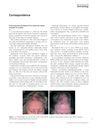
research Erosive pustular dermatosis of the scalp from topical minoxidil 5% solution
A woman developed a scalp condition from using minoxidil, which improved with a different treatment but left scarring.
research Topical minoxidil therapy for androgenetic alopecia.
research Referee report. For: Treatment of chronic telogen effluvium with oral minoxidil: A retrospective study [version 1; referees: 1 approved]
Oral minoxidil effectively reduces hair shedding in women with chronic telogen effluvium.
research Effect of ethosomal minoxidil on dermal delivery and hair cycle of C57BL/6 mice
Ethosomal minoxidil improves hair growth by penetrating deeper into skin and shortening hair cycle.
research Minoxidil in treatment of androgenic alopecia

research Transferosomes versus transethosomes for the dermal delivery for minoxidil: Preparation and in vitro/ex vivo appraisal
Minoxidil, a hair loss treatment, works better and has fewer side effects when put into tiny particles called transethosomes, especially those containing oleic acid.
research Referee report. For: Treatment of chronic telogen effluvium with oral minoxidil: A retrospective study [version 1; referees: 2 approved]
Oral minoxidil significantly reduces hair shedding in women with chronic telogen effluvium.
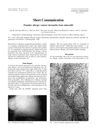
research Pustular allergic contact dermatitis from minoxidil
Minoxidil can cause pustular allergic reactions on skin.

research Generalized Hypertrichosis Due to Topical Minoxidil
A woman experienced excessive hair growth after using a hair loss treatment with minoxidil.

research Minoxidil-induced hypertrichosis: treatment with calcium thioglycolate depilatory.
Minoxidil, a blood pressure drug, can cause excessive hair growth, but this can be successfully treated with a hair removal agent called calcium thioglycolate.
research Central chorioretinopathy associated with topical use of minoxidil 2% for treatment of baldness
Using 2% minoxidil for baldness treatment might cause vision distortion due to fluid build-up under the retina.
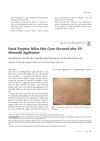
research Facial Eruptive Vellus Hair Cysts Occurred after 3% Minoxidil Application
A woman developed facial hair cysts after using a 3% minoxidil solution for hair loss, which disappeared after stopping the treatment and removing the cysts surgically.

research Minoxidil prevents 3,4-methylenedioxymethamphetamine-induced serotonin depletions: role of mitochondrial ATP-sensitive potassium channels, Akt and ERK
Minoxidil prevents serotonin loss from MDMA by affecting potassium channels and increasing Akt phosphorylation.

research Minoxidil
Using minoxidil can cause severe skin reactions in some people.
research 636 Treatment of central centrifugal cicatricial alopecia with oral minoxidil
Oral minoxidil can potentially increase hair growth in people suffering from Central Centrifugal Cicatricial Alopecia.
research Kerion Celsi favored by the use of a tretinoin+minoxidil+betamethasone valerate lotion in a 28-year-old woman.
A lotion with tretinoin, minoxidil, and betamethasone valerate helped treat a woman's skin infection.

research In Vitro and In Vivo Scalp Retention and Penetration of 99mTc-Minoxidil Solution
Thicker minoxidil solutions work better and need less frequent application.