 May 2024 in “Journal of cosmetic dermatology”
 Heat-treated Limosilactobacillus fermentum with menthol, salicylic acid, and panthenol promotes hair growth and balances scalp microbiome in people with androgenetic alopecia.
 2 citations
,
July 2017 in “Deleted Journal”
2 citations
,
July 2017 in “Deleted Journal” Eclipta alba may improve memory.
17 citations
,
November 1967 in “American Journal of Anatomy” Hairless mice have longer hair follicles and abnormal structures during the catagen phase.
Amla is a fruit with many health benefits, including improving heart, brain, and hair health, but caution is needed for some medical conditions.
 November 2019 in “Journal of Health and Allied Sciences”
 Maharanga bicolor and Hibiscus rosa sinensis extracts promote hair growth.
5 citations
,
February 2020 in “Open Access Macedonian Journal of Medical Sciences” Hibiscus leaves extract can effectively promote hair growth.
 February 2026 in “IOP Conference Series Earth and Environmental Science”
 Candlenut plants in Karo have common traits and varied kinship, with MTB1 and MTB2 being closest.
2 citations
,
August 2018 in “Journal of pharmacopolium” The 3:2 combination of pandanus and sansevieria leaf extracts promotes the best hair growth.
 January 2018 in “Our Dermatology Online”
 Trichomycosis axillaris is a treatable bacterial infection of underarm hair.
 6 citations
,
November 2021 in “Journal of Ethnopharmacology”
6 citations
,
November 2021 in “Journal of Ethnopharmacology” Calanthe orchids have medicinal potential and contain 265 chemical compounds, but are underexplored.
6 citations
,
March 2018 in “The American journal of dermatopathology/American journal of dermatopathology” BerEP4 and CD34 staining can help tell apart tricholemmoma from basal cell carcinoma.
December 2025 in “Agriculture” Sansevieria and Dracaena are evolutionarily linked, and a specific gene marker can distinguish closely related species.
 December 2025 in “Zenodo (CERN European Organization for Nuclear Research)”
 Hibiscus rosa-sinensis has potential health benefits, including anti-inflammatory and antioxidant effects, but more research is needed.
69 citations
,
October 2014 in “PubMed” Rosemary is a herb used to treat various health issues and stimulate hair growth.
7 citations
,
January 1990  January 2023 in “Indian Journal of Unani Medicine”
 Common Myrtle is used in traditional medicine to treat various health issues.
 March 2022 in “Journal of Survey in Fisheries Sciences”
 Asteraceae plants have important medicinal uses but face challenges in sustainable use.
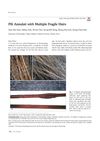 4 citations
,
January 2017 in “Annals of Dermatology”
4 citations
,
January 2017 in “Annals of Dermatology” Frequent hairdryer use may worsen hair fragility in people with Pili Annulati.
Rosemary extracts promote hair growth better than minoxidil.
April 2023 in “Zenodo (CERN European Organization for Nuclear Research)” Selected gymnosperms have medicinal potential due to their beneficial plant compounds.
 April 2026 in “Zenodo (CERN European Organization for Nuclear Research)”
 Hibiscus rosa-sinensis has many health benefits, but more research is needed to fully understand its effects.
 4 citations
,
August 2022 in “The Scientific World Journal”
4 citations
,
August 2022 in “The Scientific World Journal” Merremia peltata leaf extract, particularly the bufotalinin compound, shows potential for treating hair loss.
 12 citations
,
May 2014 in “International Journal of Molecular Medicine”
12 citations
,
May 2014 in “International Journal of Molecular Medicine” Chrysanthemum zawadskii extract helps hair grow by stimulating hair cells.
1 citations
,
June 2011 in “Journal of Dermatological Case Reports” Shaving and applying erythromycin cream and clotrimazole powder effectively treated trichomycosis axillaris.
 March 2012 in “Al-Azhar Journal of Pharmaceutical Sciences”
 The plant Russelia equisetiformis has beneficial chemical compounds and effects.
 October 2025 in “Jurnal Medisains Kesehatan”
 Muntingia calabura leaf extract is more effective against acne-causing bacteria than Averrhoa bilimbi.
6 citations
,
June 1986 in “The Journal of Dermatology” Reticular erythematous mucinosis syndrome can occur with minimal mucin deposition.
26 citations
,
September 1999 in “Canadian Journal of Botany” The RHD4 gene is crucial for consistent root hair growth in Arabidopsis thaliana.
 September 2023 in “Medical lasers”
 The botanical shampoo with Morus alba root extract is safe and effective for treating hair loss.