 September 2021 in “Journal of the Egyptian Women's Dermatologic Society (Print)”
 The study concluded that low iron and vitamin D levels in women might play a role in chronic hair loss, despite no significant difference between those with and without hair loss.
4 citations
,
January 1989 Hair and nails can indicate selenium levels in the body.
2 citations
,
December 2025 in “Gels” Nano-zinc oxide affects genes linked to cell death, inflammation, and stress in skin cells.
 October 2025 in “Pharmaceutical Development and Technology”
 Cubosomal gels enhance skin absorption of cetirizine better than niosomal gels.

Iron supplements may reverse premature graying in iron-deficient individuals; ingrown nails are common in diabetics with certain risk factors; topical finasteride may reduce scalp DHT as effectively as oral finasteride; monilethrix treatment is challenging but some medications can help.
 3 citations
,
March 2022 in “International Journal of Trichology”
3 citations
,
March 2022 in “International Journal of Trichology” Special supplements with collagen, vitamins, and minerals can help treat hair loss.
 78 citations
,
December 2011 in “Clinical toxicology”
78 citations
,
December 2011 in “Clinical toxicology” Excessive selenium from a supplement caused toxicity but patients recovered with care.
 April 2018 in “Journal of Investigative Dermatology”
 BLZ-100 is safe for use in skin cancer surgery and may help identify cancerous tissue.
 233 citations
,
February 2018 in “Polymers”
233 citations
,
February 2018 in “Polymers” Chitin and chitosan are useful in cosmetics for oral care, haircare, and skincare, including UV protection and strength improvement.
February 2018 in “The American Journal of Gastroenterology” High-dose iron therapy improves anemia without affecting IBD treatment.
Adequate vitamin D might lower, and high hair chromium might increase DNA damage in obese women.
 11 citations
,
June 1996 in “Nutrition”
11 citations
,
June 1996 in “Nutrition” Vitamin D3 may prevent hair loss from chemotherapy, but side effects and cancer cell protection are concerns.
 87 citations
,
March 2014 in “Biochimica et Biophysica Acta (BBA) - Molecular and Cell Biology of Lipids”
87 citations
,
March 2014 in “Biochimica et Biophysica Acta (BBA) - Molecular and Cell Biology of Lipids” Cholesterol sulfate buildup due to a genetic mutation disrupts the skin barrier, leading to the scaling skin seen in X-linked ichthyosis.
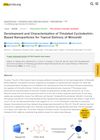
Thiolated cyclodextrin-based nanoparticles effectively deliver Minoxidil for scalp treatment without causing skin irritation.

research Iron
January 2014 in “Reactions Weekly” A woman had nausea and constipation from iron pills taken for hair loss due to low iron.
September 2016 in “Case Reports in Internal Medicine” Chronic arsenic toxicity can cause diabetes and may not improve even with treatment.
 13 citations
,
July 2007 in “Pediatric dermatology”
13 citations
,
July 2007 in “Pediatric dermatology” Vitamin D3 ointment improved skin bumps on the chin but didn't give lasting results after stopping use.
 47 citations
,
January 2003 in “American Journal of Clinical Dermatology”
47 citations
,
January 2003 in “American Journal of Clinical Dermatology” Mood stabilizers can cause serious skin reactions; careful monitoring and immediate treatment are crucial.
August 2025 in “Journal of Industrial and Engineering Chemistry” A new topical finasteride formulation effectively promotes hair growth with fewer side effects.
 December 2024 in “International Journal of Drug Delivery Technology”
 The new delivery method for dutasteride is more effective and has fewer side effects.
February 2025 in “BioNanoScience” 17 citations
,
January 2018 in “International Journal of Trichology” Low levels of iron, copper, and calcium may contribute to premature hair graying.
 January 2024 in “International journal of chemical research and development (Print)”
 Low levels of vitamin B12, iron, ferritin, and zinc are linked to hair loss in Iraqi women.
10 citations
,
January 2020 in “Biomedicine & Pharmacotherapy” XiaoZhenFang (XZF) can help prevent skin problems caused by certain cancer drugs.
26 citations
,
January 1983 in “PubMed” Trichothiodystrophy involves brittle hair due to low sulfur amino acids, not a transport defect.
20 citations
,
August 2023 in “Saudi Pharmaceutical Journal” Niosomes can effectively deliver cetirizine topically for treating alopecia.
1 citations
,
July 2021 in “Small ruminant research” Vitamin E, alone or with yeast, helped reduce arsenic poisoning effects in young goats.
 June 2025 in “American Journal of Environmental Science and Engineering”
 Organically grown carrots have less heavy metal content and are safer to eat.
13 citations
,
March 2010 in “International Journal of Cosmetic Science” Hair coloring increases copper and calcium uptake, damaging hair and reducing shine.
22 citations
,
August 2012 in “PubMed” Adequate zinc and iron intake may reduce hair loss after bariatric surgery.