 7 citations
,
February 2022 in “Journal of Cosmetic Dermatology”
7 citations
,
February 2022 in “Journal of Cosmetic Dermatology” COVID-19 infection or vaccination may influence the development of alopecia areata, a type of hair loss.
4 citations
,
October 1993 in “Journal of the American Academy of Dermatology” Azelaic acid's effectiveness in treating certain skin conditions needs more research.
November 2025 in “The Journal of Dermatology” Chemical leukoderma is temporary, while chemical-induced vitiligo can be persistent and harder to treat.
44 citations
,
May 1998 in “PubMed” The retinoid receptor antagonist effectively disrupts vitamin A-related development in embryos.
 April 2024 in “Bioscience trends”
 Higher levels of certain DNAs in blood may indicate hair follicle damage in alopecia areata patients.
 July 2020 in “Research Square (Research Square)”
 Selective breeding can enhance immunity in dairy cattle.
 January 2016 in “Experimental Dermatology”
 New findings suggest potential treatments for melanoma, hyperpigmentation, hair defects, and multiple sclerosis, and show skin microbiome changes don't cause atopic dermatitis.
 November 2022 in “Van Sağlık Bilimleri Dergisi”
 Turkish Van cats' genotypes don't affect traits like eye color or hair length.
September 2025 in “OPAL (Open@LaTrobe) (La Trobe University)” Researchers created an efficient method to extract DNA from marmoset hair, reducing blood chimerism.
April 1996 in “Journal of Dermatological Science” 11 citations
,
December 2013 in “International Journal of Dermatology” IL16 gene variations may affect the risk of alopecia areata in Koreans.
47 citations
,
September 2004 in “Journal of Biological Chemistry” Hoxc13 regulates specific hair protein genes on mouse chromosome 16.
 27 citations
,
November 2020 in “International Journal of Dermatology”
27 citations
,
November 2020 in “International Journal of Dermatology” COVID-19 can cause skin issues like chilblains and rashes, which may help in early detection, especially in patients without other symptoms.
22 citations
,
March 2017 in “Transplant Infectious Disease” Leflunomide successfully treated a rare skin condition in a liver transplant patient.
 July 2024 in “Egyptian Journal of Medical Human Genetics”
 These gene variations are not linked to alopecia areata in Egyptians.
20 citations
,
October 1995 in “Biochimica et Biophysica Acta (BBA) - Gene Structure and Expression” hHb1, hHb3, and hHb6 mRNAs start expressing at the same time in hair follicles.
Tianqi trichogen boosts hair growth in animals without causing allergies.
 10 citations
,
July 2015 in “Journal of Cosmetic Dermatology”
10 citations
,
July 2015 in “Journal of Cosmetic Dermatology” Higher DKK-1 levels found in hair loss patients; L-ascorbic acid 2-phosphate, L-threonate, and ginsenoside F2 may help promote hair growth.
50 citations
,
February 2016 in “Journal of Investigative Dermatology” A mutation in the KRT25 gene causes a rare hair disorder with thin, woolly hair.
14 citations
,
September 1999 in “Mammalian genome” The scraggly mutation causes hair loss and skin defects in mice.
 1 citations
,
January 2016 in “Case Reports in Clinical Medicine”
1 citations
,
January 2016 in “Case Reports in Clinical Medicine” Hair loss in HIV patients should be tested for syphilis as well.
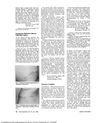 1 citations
,
January 1980 in “Archives of Dermatology”
1 citations
,
January 1980 in “Archives of Dermatology” Syphilis chancres can be atypical, and fiber implantation for baldness is risky and often fails.
 14 citations
,
April 2016 in “British Journal of Dermatology”
14 citations
,
April 2016 in “British Journal of Dermatology” The study found that the most common repigmentation pattern in children with vitiligo is a combination of patterns, with a new medium spotted pattern identified.
September 2021 in “Pediatrics in review” A baby with KID syndrome died from infections and organ failure at 18 months old.
October 2025 in “OPAL (Open@LaTrobe) (La Trobe University)” Early genetic testing and zinc therapy are crucial for managing acrodermatitis enteropathica in infants.
 January 2023 in “Acta dermatovenerologica Alpina, Pannonica et Adriatica (Tiskana izd.)”
 The article concludes that schoolchildren and adolescents experienced various skin issues during the COVID-19 pandemic, including acne from masks and other skin reactions from the virus and vaccines.
28 citations
,
August 1992 in “Differentiation” A new pair of mouse keratins, 65 kD and 48 kD, are found in specific skin areas and are linked to a unique skin differentiation type.
1 citations
,
July 2025 in “Clinical and Experimental Dermatology” Deucravacitinib led to full hair regrowth in a severe alopecia areata patient.
 October 2023 in “Benha Journal of Applied Sciences”
 Serum clusterin may play a key role in the inflammation and immune response in post-adolescent acne.
9 citations
,
May 2013 in “European Journal of Dermatology” Dermoscopy can non-invasively detect eruptive vellus hair cysts on the labia majora.