 April 2024 in “International journal of research in dermatology”
 Azathioprine can cause hair loss and matted hair.
May 2026 in “Journal of International Medical Research” Atrichia with papular lesions causes irreversible hair loss from infancy and is often misdiagnosed.
 April 2019 in “Journal of Investigative Dermatology”
 Many patients with autoimmune blistering skin disorders change their diets, avoiding foods like alcohol, citrus, and spices, and some find vegetables and dairy helpful.
 January 2013 in “Journal of dermatology”
 A new medical syndrome may include skin changes, hair loss, sweating issues, bone malformations, leg swelling, and low cortisol.
5 citations
,
February 2013 in “PubMed” An 11-year-old girl's hair loss was caused by a Cladosporium fungal infection, which was cured with itraconazole treatment.
 December 2025 in “Cureus”
 Early diagnosis and treatment of calcinosis cutis in lupus patients is crucial due to its rarity and potential complications.
9 citations
,
July 1961 in “Journal of Investigative Dermatology” Cutaneous calcinosis can be induced in young animals using certain compounds, but only in specific areas and with high mortality.
 5 citations
,
October 2019 in “The journal of investigative dermatology/Journal of investigative dermatology”
5 citations
,
October 2019 in “The journal of investigative dermatology/Journal of investigative dermatology” The research linked PLCD1 gene variants to the development of trichilemmal cysts.
September 2011 in “European journal of cancer” 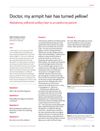
A 15-year-old boy's smelly, yellow armpit hair improved with clindamycin treatment.
Genetic factors might cause fibrosing alopecia linked to hair shaft abnormalities.
9 citations
,
August 2021 in “Journal of clinical medicine” Pili torti is a rare condition where hair is twisted and breaks easily, often linked to genetic disorders or other health issues.
1 citations
,
November 2023 in “Indian Dermatology Online Journal” Severe itching from shingles can cause hair loss due to rubbing.
 December 2025 in “Clinical Cosmetic and Investigational Dermatology”
 Early diagnosis and multidisciplinary care, including orthopedic surgery, can prevent long-term disability in IFAP syndrome.
 8 citations
,
April 2015 in “British Journal of Dermatology”
8 citations
,
April 2015 in “British Journal of Dermatology” White piedra, a rare fungal infection, was diagnosed in two women in a northern climate.
Lichen spinulosus, usually seen in young people, can rarely occur in adults, as shown by a 52-year-old woman with a rough, bumpy rash.

A woman with a rare hair loss condition developed skin cancer in the bald area.
December 2025 in “Journal of Investigative Dermatology” Immune system issues may contribute to female pattern hair loss.
12 citations
,
December 1965 in “Immunology and Cell Biology” Mild skin injury can trigger mineral deposits in rat skin, even without full calciphylactic response.
 10 citations
,
June 2019 in “Case reports in dermatology”
10 citations
,
June 2019 in “Case reports in dermatology” LALPS causes non-scarring hair loss along the Blaschko line, with unique trichoscopic findings.
 August 2024 in “Journal of Clinical Medicine”
 Pruritus is common in LPP and FFA, worsened by heat and stress, and relieved by cold, affecting quality of life.
5 citations
,
August 2001 in “International Journal of Dermatology” A 20-year-old had hair loss and skin issues from lichen planopilaris starting at age 10.
14 citations
,
May 1979 in “International Journal of Dermatology” Trichostasis spinulosa mainly affects the nose, with many tiny hairs in one follicle, possibly influenced by hormones and sunlight.
5 citations
,
March 1981 in “PubMed” A girl grew extra hair in areas where she had insect bites.
 January 2011 in “Journal of The American Academy of Dermatology”
 Two patients had a rare combination of red skin spots and white scaly skin lesions not on the genitals.
22 citations
,
September 1993 in “Archives of Dermatology” The child has a scaly rash and fever, but tests show no infection.
1 citations
,
January 2008 in “SKINmed Dermatology for the Clinician” Treatment with prednisolone and dapsone stopped new blisters and partially healed previous ones.
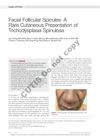
Trichodysplasia spinulosa can occur after a heart transplant due to immunosuppressive drugs.
 30 citations
,
May 2005 in “Pediatric dermatology”
30 citations
,
May 2005 in “Pediatric dermatology” Some families have a genetic condition where they are born with irregular scalp defects.
August 1969 in “Archives of Dermatology” After calciphylaxis, rats showed incomplete skin and hair regeneration, resembling scar tissue with fewer hairs.