
Deucravacitinib improves symptoms and reduces inflammation in Lichen Planopilaris.
 March 2026 in “BioScience Trends”
 UV radiation causes skin aging by damaging cells and triggering harmful processes.
 February 2026 in “American Journal of Clinical Dermatology”
 Radiotherapy can cause skin fibrosis, which is often overlooked and needs better treatment and evaluation.
 February 2026 in “Cosmetics”
 These supernatants may help reduce hair loss by protecting hair cells.
February 2026 in “Molecular and Cellular Probes” Stem cell and plant exosomes may help heal and regenerate skin.
January 2026 in “Journal of Investigative Dermatology” Special cells can help regrow hair in alopecia areata.

Understanding hair follicle signaling can improve hair disorder treatments.
 December 2025 in “IP Indian Journal of Clinical and Experimental Dermatology”
 Androgenetic alopecia treatments are becoming more personalized and include new therapies like topical antiandrogens and regenerative strategies.
 December 2025 in “Italian Journal of Anatomy and Embryology”
 Understanding embryologic layers improves skin disorder diagnosis and supports developing targeted therapies.
 December 2025 in “Medical Sciences”
 Regenerative therapies show promise for hair regrowth, but more research and standardization are needed.
 December 2025 in “Scientific Reports”
 α-Mangostin can naturally lighten skin by reducing melanin.
December 2025 in “The Journal of Cell Biology” Keratin 15 helps maintain skin cell growth and repair.
 November 2025 in “Frontiers in Immunology”
 Immune cells are crucial for normal skin development and their dysfunction can cause skin disorders.
October 2025 in “Preprints.org” Adipose mesenchymal stem cells are best for skincare because they reduce inflammation and are safe and effective.
October 2025 in “International Journal of Molecular Sciences” Stem cells have great potential for treating various medical conditions.
 July 2025 in “International Journal of Molecular Sciences”
 Blocking CXCL12 can reverse hair loss and fibrosis in androgenetic alopecia.
 June 2025 in “Stem Cell Research & Therapy”
 Combining stem cells with ATP significantly boosts hair regrowth in mice with hair loss.
Stem cell treatments show promise for improving skin and hair, but need more research and standardization.
 March 2025 in “World Journal of Stem Cells”
 Stem cell exosomes may help treat hair loss by promoting hair growth.
 February 2025 in “Applied Sciences”
 Scenedesmus deserticola JD052 extracts may help hair growth and could be a natural treatment for hair loss.
January 2025 in “Health engineering.” Combining stem cells and organoids could improve skin regeneration treatments.
 January 2025 in “American Journal of Translational Research”
 Erianin may effectively treat alopecia areata by targeting the immune system.
 January 2025 in “International Research Journal of Innovations in Engineering and Technology”
 PRP shows promise in healing but needs standardization for better results.
 December 2024 in “Journal of Population Therapeutics and Clinical Pharmacology”
 Psoriasis worsens in winter in India due to less sunlight and dry skin, needing personalized treatment.
December 2024 in “International Journal of Molecular Sciences” Platelet-rich fibrin may help reduce nonmelanoma skin cancer cell growth.
 September 2024 in “Stem Cell Research & Therapy”
 HA-stimulated stem cell vesicles improved hair growth in male mice with androgenetic alopecia.
 May 2024 in “bioRxiv (Cold Spring Harbor Laboratory)”
 KAP-depleted hair causes less immune response and is more biocompatible for implants.
 April 2024 in “The Journal of experimental medicine/The journal of experimental medicine”
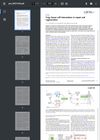
 Treg cells help repair and regenerate tissues by interacting with local cells.
 April 2024 in “Frontiers in physiology”
 Immune cells are crucial for hair growth and preventing hair loss.
 April 2024 in “Dermatovenerologiâ, kosmetologiâ”
 Actinic keratosis is a sun-induced skin condition that can potentially turn into skin cancer and requires various treatments to prevent this.