March 2026 in “Clinical and Experimental Dermatology” Facial hair loss and psychosocial issues are crucial in deciding treatment for alopecia areata.
127 citations
,
January 2000 in “Journal of Investigative Dermatology” Cytotoxic T cells cause hair loss in chronic alopecia areata.
 1 citations
,
January 2015 in “Springer eBooks”
1 citations
,
January 2015 in “Springer eBooks” The document says a skin condition called alopecia areata causes hair loss and stress, and is treated with strong skin creams, injections, or other therapies, but treatment success varies.
October 2015 in “CRC Press eBooks” Scalp biopsy and digital phototrichogram help diagnose and manage different types of diffuse hair loss.
 November 2014 in “Prescriber”
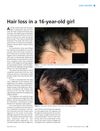
 The 16-year-old girl with hair loss was successfully treated for alopecia areata, leading to significant hair regrowth.
 95 citations
,
November 2018 in “Australasian journal of dermatology”
95 citations
,
November 2018 in “Australasian journal of dermatology” Alopecia areata treatment varies, with no optimal method established yet.
January 2023 in “Zenodo (CERN European Organization for Nuclear Research)” Refractory alopecia areata can be managed with medical treatments, psychological support, and aesthetic options.
 May 2023 in “Clinical and Experimental Dermatology”
 Alopecia areata has a high chance of persisting and relapsing, with a significant risk of total hair loss, especially if it starts in childhood.
 35 citations
,
January 2006 in “Journal of Dermatological Treatment”
35 citations
,
January 2006 in “Journal of Dermatological Treatment” Zinc can help with some skin problems, but its effectiveness varies depending on the condition.
 12 citations
,
August 2020 in “JEADV. Journal of the European Academy of Dermatology and Venereology/Journal of the European Academy of Dermatology and Venereology”
12 citations
,
August 2020 in “JEADV. Journal of the European Academy of Dermatology and Venereology/Journal of the European Academy of Dermatology and Venereology” Azathioprine is the most continued treatment for chronic alopecia areata over a year, often with added low-dose prednisolone.
 23 citations
,
April 2002 in “Journal of the American Academy of Dermatology”
23 citations
,
April 2002 in “Journal of the American Academy of Dermatology” Depigmented hair regrowth after alopecia areata can be permanent.
 January 2026 in “Journal of Homeopathy Studies”
 Homeopathic treatment improved hair growth and emotional well-being in a young female with alopecia areata.
 17 citations
,
June 2016 in “Croatian Medical Journal”
17 citations
,
June 2016 in “Croatian Medical Journal” Patients with chronic graft-versus-host disease often have skin problems like vitiligo and alopecia areata.
 27 citations
,
September 2014 in “JAMA dermatology”
27 citations
,
September 2014 in “JAMA dermatology” Female donor to male recipient sex mismatch and positive ACA-IgG are key risk factors for vitiligo and alopecia areata in chronic GvHD patients.
 40 citations
,
April 2013 in “Dermato-endocrinology”
40 citations
,
April 2013 in “Dermato-endocrinology” People with chronic Alopecia Areata often have lower vitamin D levels.
 1 citations
,
January 2014 in “Hair therapy & transplantation”
1 citations
,
January 2014 in “Hair therapy & transplantation” Platelet-rich plasma treatment is not very effective for chronic severe alopecia areata.
November 2025 in “Journal of Investigative Dermatology” Chronic refractory alopecia areata has more skin-resident memory T cells, and JAK inhibitors may help reduce them.
 16 citations
,
April 2007 in “Journal of Medical Primatology”
16 citations
,
April 2007 in “Journal of Medical Primatology” The monkey's hair loss was due to an autoimmune disease, not genetics.

Donor lymphocyte infusions effectively treated leukemia relapse but caused vitiligo and alopecia areata.
 1 citations
,
March 2020 in “Australasian Journal of Dermatology”
1 citations
,
March 2020 in “Australasian Journal of Dermatology” The paper concludes that recognizing bitemporal alopecia areata is important for early treatment and preventing its progression.
 February 2026 in “Frontiers in Medicine”
 Topical immunotherapy is still effective for managing alopecia areata, even with new treatments available.
3 citations
,
January 2023 in “JEADV Clinical Practice” IL-17 is more important than IFN-γ in causing severe hair loss in chronic alopecia areata.

Improving oral health may help hair regrowth in children with alopecia areata.
January 2026 in “Experimental Dermatology” Skin-resident memory T cells may contribute to chronic alopecia areata and baricitinib could be a potential treatment.
20 citations
,
February 2004 in “Clinical & Experimental Immunology” SADBE treatment led to complete hair regrowth in mice with alopecia areata by altering immune cell movement.
2 citations
,
May 2024 in “Expert Opinion on Drug Safety” Infections during JAK inhibitor treatment for alopecia areata are usually manageable and rarely stop treatment permanently.
 July 2025 in “International Journal of Dermatology Venereology and Leprosy Sciences”
 Higher stress levels may worsen alopecia areata, suggesting stress management is important for treatment.
1 citations
,
September 2024 in “Life” Combining fractionated CO2 laser with tacrolimus may help treat chronic alopecia areata.
 6 citations
,
August 2006 in “Journal of Cutaneous Pathology”
6 citations
,
August 2006 in “Journal of Cutaneous Pathology” Two teenage brothers had a rare, treatment-resistant form of female-pattern hair loss with unusual scalp changes.
 19 citations
,
June 2020 in “International Journal of Dermatology”
19 citations
,
June 2020 in “International Journal of Dermatology” Low-dose oral minoxidil effectively treats non-scarring hair loss with some side effects like hypertrichosis and postural hypotension.