 July 2017 in “International journal of Ayurvedic and herbal medicine”
 Madayantika Siddha Taila is effective for treating Seborrhea capitis.
March 2025 in “Skin Appendage Disorders” Selenium disulfide shampoo effectively reduces dandruff and improves scalp health for all hair types.
22 citations
,
March 1999 in “International Journal of Clinical Practice” Diphencyprone (DCP) is an effective treatment for severe alopecia areata and resistant warts, with some risks.
 March 2017 in “International journal of current advanced research”
 Medicated shampoos can help reduce hair loss associated with dandruff.
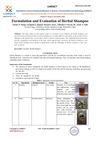 December 2023 in “International Journal of Advanced Research in Science, Communication and Technology”
 Herbal shampoo is safe, effective, and good for hair and scalp health.
 June 2024 in “International Journal For Multidisciplinary Research”
 Herbal powder shampoo is effective, safe, and beneficial for various hair needs.
November 2015 in “Pediatrics in review” The boy had severe facial swelling and scalp infection after using his mother's shampoo.
16 citations
,
January 2000 in “Journal of dermatological treatment” Calcipotriol scalp solution works better than coal tar shampoo for treating scalp psoriasis and is safe for long-term use.
March 2026 in “Journal of the American Academy of Dermatology” The treatment significantly improved lymphocytic cicatricial alopecia symptoms in most patients.
 February 2025 in “Buletin Veteriner Udayana”
 The dog's scabies was successfully treated, leading to improved symptoms and hair regrowth.
July 2025 in “Dermatologic Surgery”  September 2024 in “Journal of the American Academy of Dermatology”
 Selenium disulfide shampoo effectively reduces dandruff and is well-liked by users.
3 citations
,
January 2002 in “Pediatric Drugs” Tinea capitis is a common scalp infection in children, treated with antifungal medications like griseofulvin, terbinafine, and fluconazole.
6 citations
,
January 2019 in “Journal of feline medicine and surgery open reports” A cat with severe skin issues improved with dexamethasone and cetirizine.
 December 2025 in “Zenodo (CERN European Organization for Nuclear Research)”
 Herbal shampoos are a safe, eco-friendly choice for healthy hair.
11 citations
,
July 1984 in “Australian Veterinary Journal” Some treatments worked for horse ringworm, but mass treatment should focus on stopping infection spread, not just hair regrowth.
21 citations
,
November 2022 in “Clinical Cosmetic and Investigational Dermatology” Herbal treatments may help manage seborrhea dermatitis effectively.
July 2023 in “Cosmoderma” 49 citations
,
December 2018 in “Asian Journal of Pharmaceutical and Clinical Research” The herbal shampoo works well but needs more improvement for better quality and safety.
 May 2025 in “Journal of Inflammation Research”
 A combination of ixekizumab and tofacitinib successfully treated severe scalp cellulitis, leading to hair regrowth.
January 2026 in “Journal of advanced Biomedical and Pharmaceutical Sciences” Niosomal cetirizine shows promise for better alopecia treatment by targeting hair follicles effectively.
 March 2025 in “Buletin Veteriner Udayana”
 The cat's mite and lice infestations were successfully treated with medication and supportive care.
A 15% bitter melon leaf extract shampoo promotes the most hair growth.
9 citations
,
September 1977 in “Journal of Small Animal Practice” Mange in guinea pigs can be cured with gamma benzene hexachloride washes.
1 citations
,
January 2024 in “Journal of clinical medicine” Early recognition and treatment of tinea capitis are crucial to prevent severe scalp issues and prolonged therapy.
 March 2025 in “Buletin Veteriner Udayana”
 The cat's scabies and pneumonia improved significantly with treatment.
 February 2025 in “International Journal for Research in Applied Science and Engineering Technology”
 The herbal shampoo is a safer alternative to synthetic shampoos but needs more testing for effectiveness.
 September 2024 in “Journal of Anatomy and Histopathology”
 Miliacin helps damaged hair follicles grow new hair faster.
December 2024 in “Pure and Applied Biology” The herbal shampoo with Aloe vera and Camelia sinensis is a safe and effective natural alternative for hair care.
5 citations
,
August 2021 in “Journal of drug delivery and therapeutics” The herbal shampoo with fermented rice water is safe and effective for reducing hair fall.