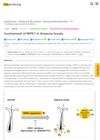
RIPK1 inhibitors might help prevent alopecia areata.
Collagen peptides may boost skin and hair-related gene expression.
11 citations
,
January 1997 in “Journal of Dermatological Science” A new protein linked to hair strength was identified, aiding in understanding brittle hair conditions.
75 citations
,
October 1999 in “Differentiation” Mouse keratin 6 isoforms have different expression patterns in various tissues.
 17 citations
,
February 2015 in “Cell Death and Disease”
17 citations
,
February 2015 in “Cell Death and Disease” Inhibiting AP1 in mice skin causes structural changes and weakens the skin barrier.
 28 citations
,
April 1996 in “Cell biology international”
28 citations
,
April 1996 in “Cell biology international” Changes in keratin affect skin health and can lead to skin disorders like blistering diseases and psoriasis.
1 citations
,
October 1996 in “PubMed” Potassium channels are important drug targets for treating conditions like hypertension, hair loss, and diabetes.
22 citations
,
May 2011 in “Molecular Biology of the Cell” Integrin-linked kinase is crucial for normal skin healing.
 122 citations
,
May 2010 in “Plant Physiology”
122 citations
,
May 2010 in “Plant Physiology” Different PIN proteins affect plant root hair growth by changing how auxin is transported.
 August 2019 in “Journal of Investigative Dermatology”
 Frog skin cells need the protein desmoplakin for proper development and cell layer formation.
 February 2023 in “Scientific Reports”
 Cold Atmospheric Microwave Plasma (CAMP) helps hair cells grow and could potentially treat hair loss.
88 citations
,
June 2000 in “Journal of Investigative Dermatology” Keratin 17 is important for hair and nail structure and affects pachyonychia congenita symptoms.
6 citations
,
June 2016 in “Journal of cellular biochemistry” The Hr protein binds to DNA, interacts with p53, and affects cell cycle genes.
 11 citations
,
March 2013 in “Journal of Applied Biomedicine”
11 citations
,
March 2013 in “Journal of Applied Biomedicine” β-catenin helps hair follicle stem cells grow by activating a specific cell pathway.
November 2025 in “PLoS ONE” Nucleic acids trigger chemokine production in skin cells, affecting skin inflammation.
 2 citations
,
September 2022 in “Frontiers in genetics”
2 citations
,
September 2022 in “Frontiers in genetics” Different proteins are linked to the varying thickness of sheep and goat hair types.
53 citations
,
October 2003 in “Genetics” The mK6irs1/Krt2-6g gene likely causes wavy hair in mice.
29 citations
,
June 2010 in “The Journal of Dermatology” Infants with severe KID syndrome may be more prone to serious infections and need close monitoring.
44 citations
,
August 1990 in “PubMed” Keratins K1 and K10 are found in the inner root sheath and cuticle of human hair follicles.
July 2024 in “Journal of Investigative Dermatology” Brepocitinib improves cicatricial alopecia and reduces key immune markers.
 April 2023 in “The journal of investigative dermatology/Journal of investigative dermatology”
 JAK inhibitors help hair growth by boosting beta-catenin activity in hair root cells.
16 citations
,
September 2006 in “The Journal of Immunology” MILL molecules are unique immune proteins in mice that don't need TAP to appear on cell surfaces.
101 citations
,
August 2001 in “The Journal of Cell Biology” A new keratin 6 type in mice explains why some mice without certain keratin genes still have normal hair and nails.
10 citations
,
April 2007 in “PubMed” Coordinated gene activities are crucial for normal hair growth.
 3 citations
,
August 2013 in “Stem cells”
3 citations
,
August 2013 in “Stem cells” Certain inhibitors applied to the skin can promote hair growth by maintaining a key hair growth signal.
 19 citations
,
August 2012 in “Cell death and differentiation”
19 citations
,
August 2012 in “Cell death and differentiation” Intu gene is crucial for hair follicle formation by helping keratinocytes differentiate through primary cilia.
38 citations
,
December 2006 in “Journal of Investigative Dermatology” Keratin patterns in hair follicles help understand hair growth and potential hair and nail disorders.
 11 citations
,
July 2021 in “Physiologia Plantarum”
11 citations
,
July 2021 in “Physiologia Plantarum” SIPHL1 from tomato enhances plants' response to low phosphate levels.
13 citations
,
April 1964 in “PubMed” Phosphatide distribution in mouse skin remains consistent in both normal and cancerous growths.
5 citations
,
January 1981 Keratin proteins in hair are complex and come from multiple gene families.