40 citations
,
October 2012 in “Journal of the American Academy of Dermatology” CLASI is a valid tool for assessing skin activity and damage in lupus patients.
17 citations
,
November 2000 in “Journal of Investigative Dermatology” ZPK helps skin cells mature and may affect skin health.
84 citations
,
May 2008 in “Biological Chemistry” Human tissue kallikreins help regulate skin barrier functions and affect skin health.
December 2025 in “JGH Open” Early diagnosis and treatment with corticosteroids can improve outcomes in Cronkhite–Canada syndrome.
 14 citations
,
January 2011 in “Journal of Cutaneous Pathology”
14 citations
,
January 2011 in “Journal of Cutaneous Pathology” CK15 is not a reliable marker for stem cells in damaged hair follicles from patients with CCCA.
April 2017 in “Journal of dermatological science” Removing PLCg1 from skin cells caused thicker oil glands and less hair in mice.
1 citations
,
April 1983 in “Trends in Biochemical Sciences”  September 2016 in “Journal of Dermatological Science”
 The protein aPKCλ is crucial for keeping hair follicle stem cells inactive and for hair growth and regeneration.
 4 citations
,
November 2021 in “Journal of Clinical Medicine”
4 citations
,
November 2021 in “Journal of Clinical Medicine” Higher levels of CCL7 are linked to more severe hair loss in alopecia areata patients.
July 2022 in “Journal of Investigative Dermatology” Scalp clarifying shampoo can help reduce hair loss and improve hair volume.
 24 citations
,
October 1995 in “The Journal of clinical endocrinology and metabolism/Journal of clinical endocrinology & metabolism”
24 citations
,
October 1995 in “The Journal of clinical endocrinology and metabolism/Journal of clinical endocrinology & metabolism” The nafarelin test can reliably distinguish between gonadotropin deficiency and delayed puberty in teenage boys.
30 citations
,
January 1963 in “PubMed”  55 citations
,
June 2014 in “Nature Communications”
55 citations
,
June 2014 in “Nature Communications” Tcf3 helps cells move and heal wounds by controlling lipocalin 2.
2 citations
,
May 2019 in “Small ruminant research” Mutations in specific llama genes may affect fiber quality for textiles.
39 citations
,
July 1997 in “American Journal of Medical Genetics” The gene for Clouston syndrome in a large Indian family is located in the 13q11-q12.1 region.
3 citations
,
August 2024 in “Molecular Biology Reports” LncRNA018392 helps goat skin cells grow by increasing CSF1R.
September 2021 in “Journal of the American Academy of Dermatology” CTCL patients can safely continue treatment during COVID-19 with proper safety measures.
 3 citations
,
September 2020
3 citations
,
September 2020 Dyclonine can effectively reduce skin issues by inhibiting the TRPV3 channel.
June 2026 in “Strathprints: The University of Strathclyde institutional repository (University of Strathclyde)” Topical IKKα inhibitors may help prevent CCS tumours.
 28 citations
,
August 2015 in “Journal of functional biomaterials”
28 citations
,
August 2015 in “Journal of functional biomaterials” Cell-based therapies show promise for treating Limbal Stem Cell Deficiency but need more research.
38 citations
,
December 2006 in “Journal of Investigative Dermatology” Keratin patterns in hair follicles help understand hair growth and potential hair and nail disorders.
65 citations
,
February 2011 in “Molecular cancer therapeutics” CCT128930 is a promising new drug that effectively targets and inhibits a cancer-related protein, showing potential for cancer treatment.
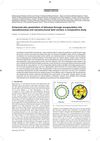 15 citations
,
May 2016 in “Die Pharmazie”
15 citations
,
May 2016 in “Die Pharmazie” Nanostructured lipid carriers deliver lidocaine to the skin better than nanoethosomes.
1 citations
,
October 2010 in “2010 3rd International Conference on Biomedical Engineering and Informatics” The LEF-1 gene in cashmere goats was successfully cloned and analyzed, showing potential for improving cashmere production.
 68 citations
,
July 2016 in “Dermatology and Therapy”
68 citations
,
July 2016 in “Dermatology and Therapy” Light and laser therapies show promise for treating Acne Keloidalis Nuchae, but more research is needed.
 117 citations
,
May 2017 in “Human Reproduction Update”
117 citations
,
May 2017 in “Human Reproduction Update” The update highlights that non-classic congenital adrenal hyperplasia is common in women with excess male hormones, requires specific hormone tests for diagnosis, and has various treatment options depending on age and symptoms.
 17 citations
,
September 2014 in “PLoS ONE”
17 citations
,
September 2014 in “PLoS ONE” SK2 channels help control sensory signals in rat muscle spindles and hair follicles.
August 2024 in “Archives of Dermatological Research” CHI3L1 and CXCL5 proteins help promote hair growth.
 119 citations
,
October 1992 in “Fundamental & Clinical Pharmacology”
119 citations
,
October 1992 in “Fundamental & Clinical Pharmacology” Potassium channel openers could help treat cardiovascular diseases and asthma but require better targeting to specific tissues for effective use.
 8 citations
,
June 2012 in “PloS one”
8 citations
,
June 2012 in “PloS one” Mutations in Plcd1 and Plcd3 together cause severe hair loss in mice.