10 citations
,
February 2012 in “Journal of Clinical Investigation” Advancements in skin and hair biology improve dermatology care and cosmetic treatments.
 291 citations
,
April 2010 in “Gastroenterology”
291 citations
,
April 2010 in “Gastroenterology” Certain proteins, Lgr5 and Lgr6, are important markers of adult stem cells and are involved in tissue repair and cancer development.
 125 citations
,
September 2019 in “Journal of Clinical Immunology”
125 citations
,
September 2019 in “Journal of Clinical Immunology” Foxp3 is crucial for regulatory T cell function, and targeting these cells may help treat immune disorders.
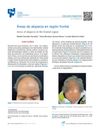 January 2025 in “Revista del Centro Dermatológico Pascua”
 Early diagnosis and treatment can help manage fibrosing alopecia in older women.
 June 2026 in “Applied Biological Chemistry”
 The M5 method is best for isolating cells that help hair growth.
 39 citations
,
January 2013 in “Journal of Investigative Dermatology”
39 citations
,
January 2013 in “Journal of Investigative Dermatology” Changing Wnt signaling can lead to more or less hair growth and might help treat hair loss and skin conditions.
 May 2023 in “International Journal of Molecular Sciences”
 Mesenchymal stem cells could help treat radiation-induced bladder damage but more research is needed to overcome current limitations.
 158 citations
,
February 2000 in “Archives of dermatology”
158 citations
,
February 2000 in “Archives of dermatology” Some people with pattern hair loss may also have scalp inflammation and scarring similar to lichen planopilaris.
 June 2025 in “IntechOpen eBooks”
 Exosomes may improve skin and hair treatments but need more research for safe use.
 April 2025 in “International Journal of Molecular Sciences”
 Iris-exosomes may help treat hair loss by activating hair growth pathways.
 118 citations
,
August 2010 in “Developmental Cell”
118 citations
,
August 2010 in “Developmental Cell” MIM is crucial for hair follicle formation and regeneration by controlling cilia formation and hedgehog signaling through its interaction with Cortactin and Src.
 25 citations
,
April 2021 in “npj Regenerative Medicine”
25 citations
,
April 2021 in “npj Regenerative Medicine” Mathematical modeling can improve regenerative medicine by predicting biological processes and optimizing therapy development.
24 citations
,
August 2021 in “Scientific Reports” Non-thermal plasma could help hair growth by activating key cell signals.
 21 citations
,
October 2017 in “Journal of Investigative Dermatology”
21 citations
,
October 2017 in “Journal of Investigative Dermatology” The document concludes that understanding dermal papilla cells is key to improving hair regeneration treatments.
 20 citations
,
October 2018 in “Aesthetic Plastic Surgery”
20 citations
,
October 2018 in “Aesthetic Plastic Surgery” PRP shows promise for improving facial wrinkles, skin elasticity, and hair growth, but more research is needed to standardize its use and understand its effects.
 3 citations
,
July 2020 in “International Journal of Molecular Sciences”
3 citations
,
July 2020 in “International Journal of Molecular Sciences” SCDSFs from zebrafish embryos are beneficial for treating cancer, regenerating tissues, and improving conditions like psoriasis and alopecia.
2 citations
,
September 2025 in “International Journal of Nanomedicine” Extracellular vesicles can help treat skin issues like wounds, hair loss, aging, and inflammation.
1 citations
,
April 2024 in “Journal of Drug Delivery Science and Technology” Microneedles combined with conventional therapies show promise in treating alopecia areata.
 January 2026 in “Medicine”
 Hejie Shengfa Decoction may help treat alopecia areata by promoting hair growth and reducing inflammation, but more safety studies are needed.
 November 2025 in “Frontiers in Immunology”
 Immune cells are crucial for normal skin development and their dysfunction can cause skin disorders.
 October 2025 in “Journal of Translational Medicine”
 Combining biomaterials and cell pathways can improve hair follicle regeneration.
 December 2024 in “Molecules”
 Bovine milk-derived exosomes may improve skin, hair, gut, brain, and bone health.
April 2024 in “Journal of composites science” Hydrogel composites have great potential in regenerative medicine, tissue engineering, and drug delivery.
 August 2007 in “Journal of Investigative Dermatology”
 The meeting discussed vitamin D3's role in fighting tuberculosis, potential treatments for skin conditions like psoriasis, and hair follicle regeneration as a possible solution for hair loss.
 55 citations
,
April 2018 in “Advanced Healthcare Materials”
55 citations
,
April 2018 in “Advanced Healthcare Materials” Hydrogels could lead to better treatments for wound healing without scars.
26 citations
,
February 2021 in “FEBS Journal” Targeting regulatory T cells may help treat age-related diseases.
 18 citations
,
September 2020 in “International Journal of Nanomedicine”
18 citations
,
September 2020 in “International Journal of Nanomedicine” Both human and animal-derived small extracellular vesicles speed up skin healing equally well.
2 citations
,
November 2025 in “International Journal of Molecular Sciences” Chitosan-based materials are promising for treating diseases and healing wounds due to their beneficial properties.
2 citations
,
May 2025 in “Frontiers in Immunology” Ursolic acid may help develop new anti-inflammatory drugs by affecting immune cells.
2 citations
,
July 2024 in “Materials Today Communications” The FN3-Alg hydrogel effectively heals irregular wounds and promotes hair growth.