 3 citations
,
September 2022 in “Archives of dermatological research”
3 citations
,
September 2022 in “Archives of dermatological research” The fractional carbon dioxide laser is a safe and effective treatment for alopecia areata and works better than betamethasone valerate cream alone.
7 citations
,
June 2017 in “The Journal of Dermatology” 1 citations
,
November 2016 in “Journal of dermatological treatment” Oral tacrolimus may be a potential treatment for hair loss that doesn't respond to corticosteroids.
 June 2024 in “Archives of Medical Science”
 Telitacicept effectively improved hair regrowth in a woman with lupus and alopecia.
 August 2025 in “Indian Dermatology Online Journal”
 Both treatments work equally well for hair regrowth, but the lotion has fewer side effects.
 11 citations
,
October 2016 in “Pediatric dermatology”
11 citations
,
October 2016 in “Pediatric dermatology” Stopping the use of fluocinolone oil containing balsam fragrance improved hair regrowth in children allergic to it.
 May 2015 in “Journal of The American Academy of Dermatology”
 Both azathioprine and betamethasone treatments help with hair regrowth in alopecia areata, but azathioprine may have fewer side effects.
January 2025 in “Veterinary Record Case Reports” The dog's skin condition improved quickly with treatment and did not return.
117 citations
,
February 1996 in “International Journal of Dermatology” A 300 mg monthly pulse of prednisolone effectively and safely treats widespread alopecia areata.
1 citations
,
June 2023 in “Jordan Journal of Applied Science - Natural Science Series” Minoxidil is more effective than Latanoprost for treating patchy alopecia areata.
 February 2024 in “Journal of Cosmetic Dermatology”
 Using a laser with bimatoprost solution works better for hair regrowth in alopecia areata than bimatoprost alone.
75 citations
,
September 1971 in “British Journal of Dermatology” Both steroids effectively promote hair growth for at least 9 months.
 4 citations
,
November 2021 in “Journal of Cosmetic Dermatology”
4 citations
,
November 2021 in “Journal of Cosmetic Dermatology” QR678 and QR678 Neo treatments, combined with corticosteroid injections, work better for alopecia areata than corticosteroid injections alone.
9 citations
,
September 2010 in “Dermatologic therapy” Combining cetirizine and topical steroids can effectively manage severe lichen planus pilaris.
 14 citations
,
August 2007 in “Bioorganic & Medicinal Chemistry Letters”
14 citations
,
August 2007 in “Bioorganic & Medicinal Chemistry Letters” The compound (1R,2S)-4-(2-Cyano-cyclohexyl-oxy)-2-trifluoromethyl-benzonitrile can stimulate hair growth and reduce oil production when applied topically.
Baricitinib helped treat a man's beard hair loss when steroids didn't work.
 22 citations
,
April 2013 in “Dermatologic surgery”
22 citations
,
April 2013 in “Dermatologic surgery” Bimatoprost effectively and safely improves eyebrow appearance.
 22 citations
,
March 2019 in “European Journal of Ophthalmology”
22 citations
,
March 2019 in “European Journal of Ophthalmology” Preservative-free latanoprost effectively lowers eye pressure with fewer side effects.
 81 citations
,
August 2011 in “Journal of The American Academy of Dermatology”
81 citations
,
August 2011 in “Journal of The American Academy of Dermatology” Latanoprost 0.1% may effectively treat hair loss.
16 citations
,
March 1996 in “PubMed” Switching to twice-weekly betamethasone led to full hair regrowth in 3 months without side effects.
11 citations
,
January 2012 in “PubMed” Bimatoprost can help grow eyebrow hair.
3 citations
,
January 1996 in “Journal of Dermatological Treatment” The ointment is a safe, effective, and well-tolerated treatment for certain types of psoriasis.
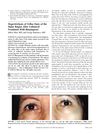 23 citations
,
April 2004 in “American Journal of Ophthalmology”
23 citations
,
April 2004 in “American Journal of Ophthalmology” Using bimatoprost on one side of the face caused increased cheek hair growth in a patient.
 15 citations
,
March 2004 in “American Journal of Ophthalmology”
15 citations
,
March 2004 in “American Journal of Ophthalmology” Using bimatoprost on one side of the face caused increased cheek hair growth in a patient.
January 2024 in “Acta dermato-venereologica” A lotion with tretinoin, minoxidil, and betamethasone valerate helped treat a woman's skin infection.
May 2003 in “Journal of clinical oncology” 46 citations
,
January 2000 in “The Journal of Clinical Endocrinology and Metabolism”  January 2021 in “International journal of basic and clinical pharmacology”
 Hydroxychloroquine is less effective than betamethasone oral mini pulse therapy for treating alopecia areata.
 June 2025 in “International Journal of Science and Research (IJSR)”
 Tofacitinib effectively promotes hair regrowth in alopecia areata with minimal side effects.