Monocyclic aromatic compounds are important for developing various drugs and treatments.
 January 2024 in “Wiadomości Lekarskie”
 Multiomics is revolutionizing biology by enabling breakthroughs in research and disease diagnosis.
 9 citations
,
January 2006 in “Cutaneous and ocular toxicology”
9 citations
,
January 2006 in “Cutaneous and ocular toxicology” L-cystine, D-pantothenat, and miliacin together significantly boost keratinocyte growth and metabolism.
 14 citations
,
May 2019 in “Human gene therapy”
14 citations
,
May 2019 in “Human gene therapy” MC-DNA vector-based gene therapy can temporarily treat CBS deficiency in mice.
 1 citations
,
July 2023 in “Nature communications”
1 citations
,
July 2023 in “Nature communications” MOF controls key genes for skin development by regulating mitochondrial and ciliary functions.
 14 citations
,
October 1977 in “The Lancet”
14 citations
,
October 1977 in “The Lancet” 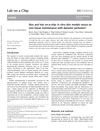 208 citations
,
January 2013 in “Lab on a Chip”
208 citations
,
January 2013 in “Lab on a Chip” The Multi-Organ-Chip improves the growth and quality of skin and hair in the lab, potentially replacing animal testing.
7 citations
,
July 2016 in “Journal of Biomedical Materials Research Part A” cGEL hydrogel improves melanin production in skin cells, making it a promising option for skin treatments.
1 citations
,
December 2010 in “Daehan miyong hakoeji” Polygoni mulitiflori Radix water extracts promote hair growth and are safer than minoxidil.
 19 citations
,
September 2010 in “The American journal of pathology”
19 citations
,
September 2010 in “The American journal of pathology” High glucocorticoids cause pancreatic malfunction and malabsorption, reversible with enzyme supplements.
43 citations
,
May 1999 in “Journal of Biological Chemistry” Agouti protein affects melanocortin receptors through competitive antagonism and receptor down-regulation.
33 citations
,
August 2000 in “Experimental Cell Research” January 2025 in “Open Veterinary Journal” Electrochemotherapy successfully treated skin tumors in cats without recurrence.
November 2024 in “Tạp chí Y học Cộng đồng” Oral and topical tranexamic acid effectively and safely improve melasma.
1 citations
,
July 2017 in “PubMed” Two patients with Cronkhite-Canada syndrome achieved remission after treatment.
23 citations
,
August 1975 in “Experimental Biology and Medicine” Copper supplements during pregnancy improve survival and development in mutant mice.
92 citations
,
April 2009 in “Journal of Investigative Dermatology” The Celsr1 gene is crucial for normal hair patterning in mice.
66 citations
,
October 2002 in “Human molecular genetics online/Human molecular genetics” A gene mutation in mice causes skin defects and early death.
February 2026 in “ACS Omega” The hydrogel effectively treats oral mucositis by reducing oxidative damage and bacterial infection.
338 citations
,
April 2001 in “Current Biology” c-Myc activation in mouse skin increases sebaceous gland growth and affects hair follicle development.
 November 2024 in “Research Square (Research Square)”
 Moracin M boosts hair growth by activating key pathways and promoting cell growth.
CCC1 is essential for ion balance and proper plant cell function.
January 2019 in “Advances in stem cells and their niches” Krox20 is important for cell differentiation in the brain and hair follicles.
 59 citations
,
January 2010 in “International Journal of Pediatric Endocrinology”
59 citations
,
January 2010 in “International Journal of Pediatric Endocrinology” NonClassic Congenital Adrenal Hyperplasia is a less severe form of a genetic disorder affecting adrenal gland function.
May 2004 in “Journal of steroid biochemistry and molecular biology/The Journal of steroid biochemistry and molecular biology” Vitamin D affects Msx1 protein expression and may influence mineralized tissue health.
The model predicts minoxidil's effectiveness and side effects better than traditional methods.
 33 citations
,
November 1994 in “Archives of Biochemistry and Biophysics” April 2021 in “The journal of investigative dermatology/Journal of investigative dermatology”
33 citations
,
November 1994 in “Archives of Biochemistry and Biophysics” April 2021 in “The journal of investigative dermatology/Journal of investigative dermatology” CTCF protein is essential for skin and hair follicle development in mice.
 21 citations
,
November 2014 in “Journal of Endocrinological Investigation”
21 citations
,
November 2014 in “Journal of Endocrinological Investigation” Cross-sex hormone therapy is important for managing gender dysphoria and requires careful monitoring and healthcare provider education.
29 citations
,
December 2004 in “Developmental biology” cDermo-1 causes dense skin, feathers, and scales in chickens.