 1 citations
,
July 2011 in “The Egyptian Journal of Anatomy”
1 citations
,
July 2011 in “The Egyptian Journal of Anatomy” Both TCA and GA peels effectively improved skin thickness and collagen without significant differences.
 1 citations
,
February 2004 in “Journal of The European Academy of Dermatology and Venereology”
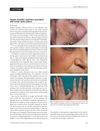
1 citations
,
February 2004 in “Journal of The European Academy of Dermatology and Venereology” Hair loss improved with treatment and successful transplant.
 1 citations
,
July 1998 in “JAMA”
1 citations
,
July 1998 in “JAMA” The book provides a historical view of abortion in the U.S., critiques the pro-choice movement, and recommends including abortion in medical education.
 June 2026 in “Discover Nano”
 Lipid nanocarriers could effectively promote hair regrowth with fewer side effects.
 June 2026 in “Dermatology and Therapy”
 Combining multiple ingredients is the most effective treatment for hyperpigmentation.
Targeting androgen receptors in the skin is the most effective treatment for hyperandrogenism-related skin issues.
 March 2026 in “American Journal of Clinical Dermatology”
 Cancer survivors need better skin care to improve their quality of life.
 March 2026 in “Plastic and Aesthetic Research”
 Adipose-derived stem cell exosomes can help reduce skin aging from UV exposure.
 March 2026 in “Dermatology Reports”
 FFA has higher long-term remission rates than LPP.
 February 2026 in “Libri Oncologici Croatian Journal of Oncology”
 Imiquimod shows promise as a non-invasive treatment for certain HPV-related lesions, but more research is needed to optimize its use.
 February 2026 in “Frontiers in Medicine”
 FUE hair transplants are generally safe but require careful planning to avoid rare complications.
 January 2026 in “Forum Dermatologicum”
 Platelet-rich plasma helps improve skin and hair conditions.
 January 2026 in “Nanoscale Advances”
 Microneedles combined with light therapy can improve skin disease diagnosis and treatment.
 January 2026 in “Clinical Cosmetic and Investigational Dermatology”
 Placenta polypeptide injection is a safe and effective treatment for sensitive skin.
 January 2026 in “International Journal of Dermatology Venereology and Leprosy Sciences”
 Metformin may improve acanthosis nigricans by reducing insulin resistance.
 January 2026 in “Journal of Cosmetics Dermatological Sciences and Applications”
 PRP shows promise for hair restoration with mild side effects, but more research is needed for clear guidelines.
 November 2025 in “Health Promotion Evidence”
 Post-COVID-19 hair loss can be treated effectively with therapies like light therapy, microneedling, and scalp massage.
 October 2025 in “Editora Pasteur eBooks”
 Peptides improve skin health and treatments for hair loss and pregnancy-related skin issues are evolving.
 October 2025 in “International Journal of Clinical Trials”
 India is ideal for dermatology trials due to diverse patients and cost-effectiveness.
Combining psychodermatology and PRP therapy can improve skin condition treatment by addressing both mental and physical health.
 October 2025 in “Indian Journal of Plastic Surgery”
 Stem cells show promise in anti-aging and reconstructive surgery, but more research is needed.
 September 2025 in “Tạp chí Da liễu học Việt Nam”
 Combining oral methylprednisolone with microneedle radiofrequency improves hair growth in alopecia areata but may cause pain and side effects.
 September 2025 in “Drug Design Development and Therapy”
 Combining platelet-rich products, biomaterials, and bioactive substances may improve skin treatment, but more research is needed.

A new syndrome, Teelwani Syndrome, combines features of two rare genetic disorders.
 August 2025 in “International Journal of Research in Dermatology”
 Better standardization and transparency in statistical reporting are needed to improve hair care research quality.
 July 2025 in “Journal of the Pakistan Medical Association”
 Combining TCA with 5-FU is more effective and safer for treating keloids than TCA alone.

Microneedling may improve quality of life and reduce inflammation in frontal fibrosing alopecia.
 January 2025 in “Plastic Surgery and Reconstructive Medicine”
 Plasmatherapy improves immune status in vitiligo patients, especially those with segmental vitiligo.
 January 2025 in “International Journal of Dermatology Venereology and Leprosy Sciences”
 Obesity worsens skin health and losing weight can improve skin conditions.

Personalized, multidisciplinary care improves skin condition management and patient outcomes.