Search
for
Sort by
Research
30-60 / 1000+ resultsresearch Non-comedogenic and non-acnegenic hair and scalp care formulations and method for use
research Skin Penetration of Caffeine and Cafestol using Liposomes: Exploring the Benefits of a Combined Delivery System
Liposomal formulations with caffeine and cafestol enhance skin penetration effectively.
research Supramolecular insights into the complexation of β-Cyclodextrin for alopecia treatment using the mixed cation/anion active principle
The formulation effectively promotes hair growth with low systemic exposure.
research Development and sensory analysis of shampoo for curly hair
The shampoo effectively defines and models curls while reducing frizz and volume.
research Formulation of coconut oil beads for the treatment of non-scarring alopecia in black women hair.
Coconut oil beads may help treat hair loss in black women.
research A New Strategy for Consumption of Functional Lipids from Ericerus pela (Chavannes): Study on Microcapsules and Effervescent Tablets Containing Insect Wax–Derived Policosanol
Microcapsules and effervescent tablets make insect lipids easier to consume.

research Potency of Leaf Extracts of Cocor Bebek (Kalanchoe pinnata) as Hair-Growth Promoting Agent
Cocor Bebek leaf extract may promote hair growth better than minoxidil at high concentrations.
research Structural characterization and dissolution profile of mycophenolic acid cocrystals
The MPA-ISO cocrystal improved solubility and dissolution rate, while the others did not.
research Analysis of the Influence of Lipid Components on the Spreadability of Hair Heat Protectants by Central Composite Design
Optimal hair heat protectant spreadability is achieved with 4% shea butter and coconut oil, and 0.64% cetostearyl alcohol.

research Formulation, Selection, Physical Properties and Antifungal Effect Evaluation of Semi-solid Dosage Forms with Organic Acids
Cinnamic acid in hydrogels can effectively fight fungi but spreads less than in solution.
research The efficacy and safety of diphenylcyclopropenone solutions in propylene glycol and isopropanol. A comparative study of two formulas used for the treatment of 100 patients with alopecia areata
DCP in isopropanol is better tolerated for treating alopecia areata.

research Efficacy and tolerance of 2,3-diphenylcyclopropenone in propylene glycol versus 2,3-diphenylcyclopropenone in isopropanol – a novel formula designed for the treatment of alopecia areata
Both treatments helped hair regrowth in alopecia areata, with isopropanol being better tolerated.
research Curcumin grafted poly(vinyl alcohol) for ascorbyyl palmitate encapsulation
Encapsulating ascorbyl palmitate in curcumin-grafted particles improves its stability and skin penetration.
research PHYSICAL STABILITY TEST HAIR TONIC COMBINATION Cinnamon (Cinnamomum burmanii) ESSENTIAL OIL AND VCO (VIRGIN COCONUT OIL) WITH CYCLING TEST METHOD AND IRRITATION TEST ON THE RABBIT
The hair tonic with cinnamon oil and coconut oil was stable and caused very mild irritation.

research Parsley (Petroselinum crispum) Fraction-Loaded Nanoemulsion Using Coconut Oil: A Novel Approach for Hair Growth Promotion
Parsley-coconut oil nanoemulsion effectively promotes hair growth.
research SKIN TARGETING OF AN OPTIMIZED CAFFEINE NANOSTRUCTURED LIPID CARRIER WITH IMPROVED EFFICIENCY AGAINST CHEMOTHERAPY INDUCED ALOPECIA
The optimized caffeine formula improved hair growth and penetrated all skin layers.
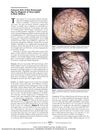
research Corkscrew Hair: A New Dermoscopic Sign for Diagnosis of Tinea Capitis in Black Children
Corkscrew hair may be a new sign for quickly diagnosing scalp fungus in black children.
research Assessment of the skin efficacy and acceptability of a cosmetic product in the treatment of the forearm hypertrichosis in female patients
The cosmetic product effectively reduced hair growth and thickness on forearms.
research A highly resistant structure between the cuticle and the cortex of human hair. II. CARB, a penetration barrier
CARB is a strong barrier in human hair that prevents dye penetration.

research Nanoemulsion Formulation Combination of Virgin Coconut Oil (VCO) and Candlenut Oil (Alleurites mollucanus) for Hair Growth in Male White Rats (Rattus novergicus)
A 1:3 ratio of virgin coconut oil to candlenut oil is best for promoting hair growth.
research Studies on the efficacy of methyl esters of n-alkyl fatty acids as penetration enhancers
Methyl caprate greatly increases drug absorption through the skin and is better than other enhancers.
research Recent Advances in the Use of Cubosomes as Drug Carriers with Special Emphasis on Topical Applications
Cubosomes improve drug delivery for skin and eye diseases by enhancing adhesion, retention, and release.

research Preparation of Inclusion Complexes with Argan Oils and Their Application of Hair Treatment
Argan oil complexes improve hair treatment by enhancing stability, antibacterial properties, and hair texture.
research Solution Copolymerizations of N‐Vinyl‐2‐Pyrrolidone with Acrylic Acid, Methacrylic Acid and Vinyl Acetate for Applications in Hair Cosmetics
These polymers can improve hair texture and reduce water loss in hair cosmetics.

research Single hair fiber assessment techniques to discriminate between mineral oil and coconut oil effect on hair physical properties
Coconut oil makes hair stronger and more flexible than mineral oil.

research Compatibility of Caffeine Clobetasol Propionate Dutasteride Nicotinamide and Progesterone in TrichoFoam™, a Natural Vehicle for Hair Foams.
TrichoFoam™ is a stable option for personalized hair loss treatment with most ingredients remaining effective for 90-180 days.
research Enriched and Enhanced Virgin Coconut Oil (2EVCO) / Saphia Elina May May ... [et al.]
2EVCO, enhanced with aloe vera and pandan leaves, promotes faster hair growth and improves skin health.
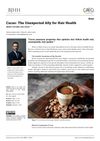
research Cacao: The Unexpected Ally for Hair Health
Cacao can improve hair strength and shine.

research Assessment of the efficacy and tolerability of a topical formulation containing caffeine and Procapil 3% for improvement of male pattern hair loss
The topical treatment with caffeine and Procapil 3% improved male pattern hair loss and was well tolerated after 12 weeks.