35 citations
,
December 2020 in “International Journal of Molecular Sciences” Mast cells likely promote skin scarring and fibrosis, but their exact role is still unclear.
18 citations
,
February 2024 in “ACS Polymers Au” Silk fibroin shows promise for wound care but faces challenges in becoming widely available.
5 citations
,
November 2024 in “Biomedicine & Pharmacotherapy” The chitosan-peptide system helps cartilage regeneration using fat-derived cells.
 March 2026 in “Preprints.org”
 The combined stem cell secretome in the skin care product effectively reduces inflammation and promotes tissue regeneration.
6 citations
,
August 2024 in “Frontiers in Bioengineering and Biotechnology” 3D printing shows promise for repairing eardrum perforations but needs more research on materials.
28 citations
,
December 2016 in “Journal of Biomedical Materials Research Part A” Bone-forming cells grow well in 3D polymer scaffolds with 35 µm pores.
177 citations
,
March 2018 in “International Journal of Molecular Sciences” mTOR inhibitors may help treat lung fibrosis.
27 citations
,
April 2018 in “Artificial Cells Nanomedicine and Biotechnology” Recombinant human hair keratin proteins can effectively stop bleeding.
17 citations
,
February 2023 in “Cosmetics” 3D printed hollow microneedles could effectively treat skin wrinkles with fewer side effects.
10 citations
,
September 2022 in “Journal of Biophotonics” Blue light therapy is safe for skin and may protect against UV radiation.
1 citations
,
September 2025 in “Cosmetics” Milk thistle can protect skin from damage and aging.
1 citations
,
February 2025 in “Cell Cycle” HAP stem cell sheets speed up wound healing and reduce scarring.
December 2025 in “Pharmaceutics” Araliadiol may help reduce skin aging and inflammation without killing cells.
August 2025 in “Anais Brasileiros de Dermatologia” Phenol is effective for skin treatments but poses serious health risks and must be used cautiously by trained doctors.
212 citations
,
January 2017 in “Mediators of Inflammation” Stem cells show promise in speeding up wound healing and tissue regeneration.
106 citations
,
August 2021 in “Pharmaceuticals” Extracellular vesicles help heal skin wounds and could be used for better treatments.
88 citations
,
July 2020 in “Frontiers in Cell and Developmental Biology” Bioengineered materials improve wound healing by releasing growth factors and cytokines more effectively than traditional methods.
82 citations
,
May 2020 in “International Journal of Molecular Sciences” Injectable biomaterials can effectively regenerate dental tissues.
45 citations
,
July 2022 in “Frontiers in Pharmacology” Natural products can help heal wounds by affecting key biological pathways.
14 citations
,
October 2024 in “Nano Convergence” The hydrogel with silver nanoparticles effectively heals MRSA-infected wounds.
7 citations
,
October 2024 in “Cells” PRP therapy shows promise for anti-aging but lacks consistent evidence and standardization.
6 citations
,
July 2023 in “Plants” Datura metel leaf extracts help heal wounds effectively.
 August 2026 in “Pharmaceuticals”
 Biopolymer-based hydrogels are promising for advanced wound healing due to their ability to enhance tissue regeneration and provide antimicrobial protection.
 October 2025 in “Journal of Nanobiotechnology”
 The hydrogel helps wounds heal better by reducing inflammation and promoting skin regeneration.
 January 2025 in “Burns & Trauma”
 Titanium dioxide nanoparticles can help heal wounds faster and better.
June 2022 in “Biotechnological Research” Activated autologous platelet-rich plasma can improve healing in diabetic foot ulcers.
 May 2011 in “Journal of The American Academy of Dermatology”
 Objective assessment is needed to accurately determine medication use and adherence.
 8 citations
,
November 1990 in “Archives of Dermatology”
8 citations
,
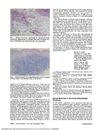
November 1990 in “Archives of Dermatology” A woman with EMS showed unusual skin mucinosis without the typical hard skin syndrome, suggesting EMS can cause skin mucinosis.
 November 2025 in “Molecular and Cellular Biomedical Sciences”
 There is no significant link between the MMP-1 rs1799750 polymorphism and androgenetic alopecia in the Indonesian population.
 33 citations
,
January 2021 in “Aesthetic Surgery Journal”
33 citations
,
January 2021 in “Aesthetic Surgery Journal” Low-Level Light Therapy (LLLT) is a safe and effective method for skin rejuvenation, acne treatment, wound healing, body contouring, and hair growth, but more well-designed trials are needed for confirmation.