 25 citations
,
April 2008 in “Archives of Dermatological Research”
25 citations
,
April 2008 in “Archives of Dermatological Research” Encapsulated human hair cells can substitute for natural hair cells to grow hair.
9 citations
,
June 2020 in “JAAD Case Reports” Dissecting cellulitis may have genetic links and can cause permanent hair loss.
4 citations
,
March 2021 in “Journal of Histotechnology” Hidradenitis suppurativa lesions have less collagen and elastin but more new blood vessels.

Hair follicle stem cells are crucial for touch sensation and proper nerve structure in mice.
 January 2024 in “Diagnostic cytopathology”
 Trichilemmal carcinoma can spread to the parotid gland and be diagnosed using fine-needle aspiration cytology.
 February 2026 in “Clinical Cosmetic and Investigational Dermatology”
 Concentrated growth factors can effectively treat hair loss caused by filler injections.

A woman and her guinea pig were successfully treated for a fungal infection.
September 2018 in “Dermatologic Surgery” 18 citations
,
March 2009 in “Experimental Dermatology” Pilomatricoma can develop into various hair-related structures.
January 1996 in “대한피부과학회지” High Demodex mite density may be linked to sebaceous hyperplasia.
 April 2016 in “The journal of investigative dermatology/Journal of investigative dermatology”
 MPZL3 is crucial for seborrheic dermatitis development.
October 2025 in “The Sri Lanka Journal of Dermatology” Inverted follicular keratosis can look like cancer but is actually a harmless tumor.
 10 citations
,
January 2013 in “International journal of trichology”
10 citations
,
January 2013 in “International journal of trichology” A woman's scalp nodules were successfully treated with antifungal and anti-lice medications, revealing a rare case of mixed piedra infection.
 87 citations
,
April 2018 in “Biochemical and Biophysical Research Communications”
87 citations
,
April 2018 in “Biochemical and Biophysical Research Communications” Exosomes from dermal papilla cells can help grow hair and might treat hair loss.
 3 citations
,
September 2005 in “Experimental dermatology”
3 citations
,
September 2005 in “Experimental dermatology” The cornified envelope is crucial for skin's barrier function and involves key proteins and genetic factors.
Keratinocytes grew and migrated into hair follicle areas but disappeared after 15-20 days.
1 citations
,
October 2024 in “European Journal of Histochemistry” Telocytes in silky fowl embryos develop distinct features and connections by the 20th day of incubation.
 6 citations
,
July 2011 in “British Journal of Dermatology”
6 citations
,
July 2011 in “British Journal of Dermatology” A man with KID syndrome developed a rare cancer in a long-term skin infection.
January 2025 in “International Journal of Genomics” Three genes, BMP4, POSTN, and WNT5A, may help treat keloids.
January 2021 in “Digital Commons - PCOM (Philadelphia College of Osteopathic Medicine)” Sebaceous glands are essential for skin health but can contribute to conditions like acne and hair loss.
 May 2025 in “Journal of Developmental Biology”
 Jawless vertebrates have teeth proteins similar to those in mammalian hair and nails.
82 citations
,
November 1985 in “Archives of Dermatology” The newborn's skin condition improved over time, leaving only lighter skin patches.
 15 citations
,
November 2016 in “Journal of The American Academy of Dermatology”
15 citations
,
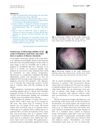
November 2016 in “Journal of The American Academy of Dermatology” Exclamation mark hairs suggest early scalp disease, while white dots indicate it's chronic.
Onychomatricoma is a unique nail tumor, not related to other hair-related tumors.
 June 2021 in “Journal of The American Academy of Dermatology”
 The "spade sign" is a highly specific indicator for diagnosing acne keloidalis.
 111 citations
,
January 2007 in “Seminars in cell & developmental biology”
111 citations
,
January 2007 in “Seminars in cell & developmental biology” Hair, teeth, and mammary glands develop similarly at first but use different genes later.
11 citations
,
June 1974 in “Journal of Cutaneous Pathology” Follicular mucinosis causes significant damage to hair follicle cells.
13 citations
,
February 1980 in “Journal of Cutaneous Pathology” Rubbing seborrheic keratoses causes specific skin changes and may link them to hair follicles.
 October 2025 in “Advanced Healthcare Materials”
 The hydrogels improve wound healing and tissue regeneration better than traditional treatments.
7 citations
,
October 2017 in “Journal of exotic pet medicine” A guinea pig with ovarian cysts had a uterine infection and abnormal uterus lining due to a piece of hay inside it.