 September 2017 in “Journal of Investigative Dermatology”
 Hair follicle cells change their DNA packaging during growth cycles and when grown in the lab.
1 citations
,
September 2025 in “International Journal of Molecular Sciences” Cells from concentrated growth factor can become different cell types.
37 citations
,
May 2018 in “Developmental Biology” Adult neural crest-derived cells can become multipotent and aid tissue repair when stressed or injured.
2 citations
,
July 2001 in “Dermatologic Surgery” Trichoblastic carcinoma may be a distinct type of skin cancer different from basal cell carcinoma.
Hair bulb cells can create skin-like tissues for potential skin repair.
5 citations
,
January 2021 in “Frontiers in cell and developmental biology” Skin cysts might help advance stem cell treatments to repair skin.
 4 citations
,
August 2023 in “Nature Communications”
4 citations
,
August 2023 in “Nature Communications” Mouse zigzag hair bends form due to a 3-day cycle of changes in hair progenitors and their environment.
394 citations
,
October 2013 in “Nature” 13 citations
,
September 2021 in “Frontiers in Cell and Developmental Biology” Suspension culture is best for stem cell differentiation into endoderm cells.
62 citations
,
December 2008 in “Journal of structural biology” Hair curvature in Japanese people is linked to specific cell types and filament arrangements in the hair cortex.
 June 2022 in “Scientific Reports”
 Prevelex, a polyampholyte, can create a cell-repellent coating on microdevices, which can be useful in biomedical applications like hair follicle regeneration.
45 citations
,
December 2007 in “The FASEB journal” There are two types of stem cells in rodent hair follicles, each with different keratin proteins.
 May 2018 in “Journal of Investigative Dermatology”
 Activating Wnt in skin cells controls the number of hair follicles by directing cell movement and fate.
 August 2023 in “Scientific reports”
 Human stem cells were turned into cells similar to those that help grow hair and showed potential for hair follicle formation.
1 citations
,
July 2025 in “Scientific Reports” CD133+ cells are crucial for hair growth.
 April 2023 in “Journal of Investigative Dermatology”
 The research mapped gene activity in developing mouse skin and found key markers for skin cell types and changes from fetal to early postnatal stages.
April 2026 in “Chinese Chemical Letters” July 2025 in “Burns & Trauma” 3D cell spheroids can help reduce scars by delivering therapeutic vesicles.
June 2020 in “Journal of Investigative Dermatology” Hair shaft malformation contributes to Central Centrifugal Cicatricial Alopecia.
January 2005 in “Journal of Cutaneous Pathology” A unique type of complex cyst was found on a man's scrotum.
 October 2021 in “Journal of Investigative Dermatology”
 The study concluded that the developed models are effective for studying hair growth mechanisms and testing new treatments.
 May 2020 in “Research Square (Research Square)”
 Researchers found four key stages of cell development that are important for hair growth and shedding in cashmere goats.
Encapsulating hair follicle cells in a special gel boosts their activity.
87 citations
,
January 1999 in “British Journal of Dermatology” Trichoblastic fibroma and basal cell carcinoma are similar but different from trichoepithelioma.
 63 citations
,
April 2010 in “Development”
63 citations
,
April 2010 in “Development” Compartmentalized organization might be crucial for stem cells to effectively respond to growth or injury.
 11 citations
,
September 1996 in “Neuroscience letters”
11 citations
,
September 1996 in “Neuroscience letters” Adding fetal calf serum helps Merkel cells survive and change shape.
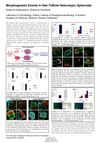
Researchers developed a method to create artificial hair follicles that may help with hair loss treatment and research.
561 citations
,
April 2003 in “Journal of Investigative Dermatology” CD34 is a marker for isolating stem-like cells in mouse hair follicles.
November 2025 in “Journal of Investigative Dermatology” PCFCL may have unrecognized subtypes and needs more research.
10 citations
,
August 2021 in “Frontiers in cell and developmental biology” Scientists made structures that look like human hair follicles using stem cells, which could help grow hair without using actual human tissue.