December 2018 in “European Journal of Pediatric Dermatology/PD. European journal of pediatric dermatology” Segmental vitiligo affects hair follicle melanocytes, causing small, uniform depigmented spots.
 January 1990 in “Springer eBooks”
 Some chemicals can permanently or temporarily remove color from skin and hair, which can be distressing and is not well-regulated in cosmetics.

Certain skin and family history markers predict vitiligo severity and treatment needs.
 December 2025 in “Cosmoderma”
 Systemic corticosteroids help manage vitiligo by slowing progression and aiding repigmentation.
 March 2026 in “International Journal of Dermatology Venereology and Leprosy Sciences”
 Vitiligo treatment requires a personalized mix of therapies to restore skin color and improve life quality.
 19 citations
,
May 1992 in “International Journal of Dermatology”
19 citations
,
May 1992 in “International Journal of Dermatology” Some alternative vitiligo treatments show promise, but none are as effective as psoralens and UVA.
September 2024 in “Journal of the American Academy of Dermatology” A new type of alopecia areata, called the "confetti variant," causes small bald spots that often heal on their own in a few months.
 May 2017 in “InTech eBooks”
 Some hair loss disorders cause permanent loss due to scarring, and treatments like steroids don't always work well.
 23 citations
,
July 2008 in “British journal of dermatology/British journal of dermatology, Supplement”
23 citations
,
July 2008 in “British journal of dermatology/British journal of dermatology, Supplement” Topical contact sensitizers can treat certain skin conditions but are rarely used in the U.K.
 July 2025 in “Dermatology Practical & Conceptual”
 Topical eyedrops may cause eyelash whitening and skin lightening around the eyes.
 39 citations
,
July 2008 in “Dermatologic Therapy”
39 citations
,
July 2008 in “Dermatologic Therapy” Pseudopelade of Brocq is a unique hair loss condition, but its cause and development are still not fully understood.
 36 citations
,
June 2018 in “Journal of The American Academy of Dermatology”
36 citations
,
June 2018 in “Journal of The American Academy of Dermatology” Dermoscopy is useful for diagnosing various skin, hair, and nail disorders and can reduce the need for biopsies.
 532 citations
,
August 2011 in “Journal of the American Academy of Dermatology”
532 citations
,
August 2011 in “Journal of the American Academy of Dermatology” Vitiligo is a skin condition causing white spots, more common in women, often starts before age 20, and can affect mental health.
 1 citations
,
October 2008 in “Expert Review of Dermatology”
1 citations
,
October 2008 in “Expert Review of Dermatology” Frontal Fibrosing Alopecia is a slowly progressing hair loss condition, likely underdiagnosed, with ineffective treatments, needing more research to understand it fully.
 24 citations
,
October 2014 in “Cold Spring Harbor Perspectives in Medicine”
24 citations
,
October 2014 in “Cold Spring Harbor Perspectives in Medicine” Genetic research has advanced our understanding of skin diseases, but complex conditions require an integrative approach for deeper insight.
 1 citations
,
May 2017 in “InTech eBooks”
1 citations
,
May 2017 in “InTech eBooks” The document concludes that alopecia areata is an unpredictable autoimmune hair loss condition with no cure, but various treatments exist that require personalized approaches.
 September 2022 in “Dermatology and therapy”
 Contact immunotherapy might help treat various skin conditions, but more research is needed to confirm its safety and effectiveness.
September 2025 in “Journal of Clinical Medicine” Elevated granulysin levels may indicate disease activity in vitiligo and alopecia areata.
 23 citations
,
September 2017 in “Journal of the American Academy of Dermatology”
23 citations
,
September 2017 in “Journal of the American Academy of Dermatology” Apremilast did not work for treating severe alopecia areata.
 1 citations
,
February 2004 in “Journal of The European Academy of Dermatology and Venereology”
1 citations
,
February 2004 in “Journal of The European Academy of Dermatology and Venereology” Hair loss improved with treatment and successful transplant.
 58 citations
,
April 2012 in “Journal of the American Academy of Dermatology”
58 citations
,
April 2012 in “Journal of the American Academy of Dermatology” Graft-versus-host disease is a complication where donor immune cells attack the recipient's body, often affecting the skin, liver, and gastrointestinal tract.
 84 citations
,
April 2005 in “Dermatologic Clinics”
84 citations
,
April 2005 in “Dermatologic Clinics” Treatments for melanin disorders exist, but more effective options needed.
 19 citations
,
October 2019 in “Dermatology Practical & Conceptual”
19 citations
,
October 2019 in “Dermatology Practical & Conceptual” Dermoscopy now helps diagnose various skin, hair, and nail issues, improving patient care and treatment understanding.
 4 citations
,
August 2013 in “Case reports in dermatology”
4 citations
,
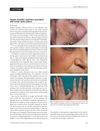
August 2013 in “Case reports in dermatology” A patient with total hair loss developed vitiligo after using a treatment called DCP.
34 citations
,
February 2012 in “International Journal of Dermatology” Dermatoscopy can help identify hydroquinone-induced skin issues, avoiding invasive biopsies.
54 citations
,
November 2014 in “JEADV. Journal of the European Academy of Dermatology and Venereology/Journal of the European Academy of Dermatology and Venereology” Combining LFQS and IPL is more effective and faster for treating melasma than LFQS alone.
 December 2024 in “Clinical Cosmetic and Investigational Dermatology”
 Vitiligo often starts young, is linked to family history and stress, and requires comprehensive care including psychological support.
26 citations
,
December 2022 in “Molecules” Nanotechnology can improve treatments for skin discoloration.
36 citations
,
September 2015 in “Orphanet Journal of Rare Diseases” Revertant cell therapy could be a future treatment for Ichthyosis with confetti.
8 citations
,
June 2016 in “Journal of Investigative Dermatology” A rare genetic deletion in the KRT1 gene causes unique skin symptoms in a family.