 15 citations
,
May 2016 in “Die Pharmazie”
15 citations
,
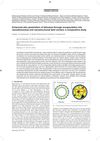
May 2016 in “Die Pharmazie” Nanostructured lipid carriers deliver lidocaine to the skin better than nanoethosomes.
 September 2017 in “Springer eBooks”
 FUE hair transplants have improved to give more natural results with less scarring and pain.

AI can predict hair loss patterns to improve care and treatment.
 2 citations
,
January 2023 in “BioMed Research International”
2 citations
,
January 2023 in “BioMed Research International” The secretome from mesenchymal stromal cells shows promise for improving facial nerve injury treatment.
 June 2025 in “Medical academic journal”
 Modified liposomes with exosomes effectively deliver RNA to stem cells.

A woman had eye pain and vision loss after a hair growth treatment, but her symptoms improved after a month.
1 citations
,
April 2016 in “PubMed” Epidermis and dermis cells together can regenerate hair follicles.
April 2025 in “Preprints.org” AI can personalize exercise to improve skin health.
May 2017 in “Journal of the American Academy of Dermatology” Modified stem cells can improve hair growth.
7 citations
,
October 2023 in “BMC Genomics” Noncoding RNAs help determine cashmere quality in goats.
 16 citations
,
May 2004 in “Hair transplant forum international”
16 citations
,
May 2004 in “Hair transplant forum international” Hair transplant megasessions have improved over time.
January 2006 in “Chinese Journal of Dermatology” Hair follicle-like structures can be created using hair cells on collagen/chitosan scaffolds.

The device applies substances directly to body tissues, improving cell transplant and treatment processes.
January 2016 in “Munich Personal RePEc Archive (Ludwig Maximilian University of Munich)” A new method using gold nanoshells and infrared light effectively delivers siRNA to cancer and stem cells with precision and minimal damage.
20 citations
,
May 2011 in “Journal of Clinical Investigation” The study created a mouse model to mimic degenerative diseases for testing tissue repair and new therapies.
44 citations
,
January 2021 in “Research” MCSA hydrogels can effectively treat melanoma and aid wound healing.
 67 citations
,
November 2019 in “Nature Communications”
67 citations
,
November 2019 in “Nature Communications” Oncogenic melanocyte stem cells can develop into melanoma similar to human cases.
 June 2020 in “Journal of cosmetic medicine”
 Eyebrow transplants use hair from the scalp or pubic area, with blonde hair looking more natural, and can leave scars depending on the method used.
24 citations
,
November 2003 in “Australasian Journal of Dermatology” A rare skin cancer caused hair loss and spread, needing multiple treatments.
January 2005 in “Chinese Journal of Aesthetic Medicine” The combined hair transplant technique was effective and had high patient satisfaction.
June 2023 in “Zenodo (CERN European Organization for Nuclear Research)” July 2021 in “SBV Journal of Basic Clinical and Applied Health Science” Single-layer closure is as effective as multiple-layer closure, with shorter surgery time and lower cost.
 50 citations
,
February 2007 in “Expert Opinion on Biological Therapy”
50 citations
,
February 2007 in “Expert Opinion on Biological Therapy” Hair follicle stem cells could help repair nerves and avoid ethical issues linked to embryonic stem cells.
 June 2004 in “Dermatologic Surgery”
 Dr. Walter P. Unger suggests that copying a person's natural hair direction and angle during transplants leads to a more natural and fuller appearance.
1 citations
,
March 2023 in “Journal of the Turkish Academy of Dermatology” Temporal triangular alopecia may be linked to sebaceous nevus and shows a new pinkish background feature.
 1 citations
,
June 2023 in “Journal of applied crystallography”
1 citations
,
June 2023 in “Journal of applied crystallography” The technique showed that human hair has two main parts, with 68% being rigid and the rest flexible, and water swelling affects its structure.
5 citations
,
June 2022 in “Biophysical Journal” TGF-β and TNF influence hair follicle cell fate, with TNF being more effective in triggering cell death.
 6 citations
,
April 2022 in “Biomedicine & pharmacotherapy”
6 citations
,
April 2022 in “Biomedicine & pharmacotherapy” Using three different drugs together may better treat eye diseases like glaucoma and macular degeneration.
 1 citations
,
January 2025 in “BIO Integration”
1 citations
,
January 2025 in “BIO Integration” Combining ultrasound and microneedles improves drug delivery through the skin.
May 2014 in “DOAJ (DOAJ: Directory of Open Access Journals)” Higher concentrations of mouse embryo tissue extracts effectively turn hair follicle stem cells into neural cells.