 1 citations
,
January 2026 in “Frontiers in Bioengineering and Biotechnology”
1 citations
,
January 2026 in “Frontiers in Bioengineering and Biotechnology” Ionizable lipid nanoparticles are the best for delivering gene-editing therapies.
 1 citations
,
December 2025 in “Frontiers in Endocrinology”
1 citations
,
December 2025 in “Frontiers in Endocrinology” Gut microbiota may significantly influence polycystic ovary syndrome.
 1 citations
,
October 2025 in “Frontiers in Bioengineering and Biotechnology”
1 citations
,
October 2025 in “Frontiers in Bioengineering and Biotechnology” The bilayer wound dressing significantly improves skin healing by preventing bacteria and promoting cell growth.
 1 citations
,
January 2025 in “BIO Integration”
1 citations
,
January 2025 in “BIO Integration” Combining ultrasound and microneedles improves drug delivery through the skin.
 1 citations
,
August 2024 in “Polish Journal of Environmental Studies”
1 citations
,
August 2024 in “Polish Journal of Environmental Studies” Air pollution can damage hair and scalp, causing hair loss and inflammation.
 1 citations
,
January 2024 in “Theranostics”
1 citations
,
January 2024 in “Theranostics” Exosomes show promise for future tissue regeneration.
 1 citations
,
November 2015 in “Indian Journal of Clinical Biochemistry”
1 citations
,
November 2015 in “Indian Journal of Clinical Biochemistry” The conference presented findings on how vitamin D levels, genetic factors, and lifestyle choices like smoking and yoga affect various health conditions and diseases.
 1 citations
,
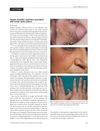
February 2004 in “Journal of The European Academy of Dermatology and Venereology”
1 citations
,
February 2004 in “Journal of The European Academy of Dermatology and Venereology” Hair loss improved with treatment and successful transplant.
 1 citations
,
August 2023 in “International journal of pharmacy & integrated health sciences”
1 citations
,
August 2023 in “International journal of pharmacy & integrated health sciences” Cosmeceuticals are popular for their skin health benefits and anti-aging effects.
 1 citations
,
December 2022 in “Middle East Journal of Science”
1 citations
,
December 2022 in “Middle East Journal of Science” Permanent hair dyes use chemicals that react with hydrogen peroxide to create color.
 June 2026 in “Dermatology and Therapy”
 Combining multiple ingredients is the most effective treatment for hyperpigmentation.
 May 2026 in “International Journal of Nanomedicine”
 Nanozymes help heal burn wounds by fighting bacteria, reducing inflammation, and promoting blood vessel growth.
 April 2026 in “AMEI's Current Trends in Diagnosis & Treatment”
 PCOS-related infertility is managed with lifestyle changes and medications.
 March 2026 in “Plastic and Aesthetic Research”
 Adipose-derived stem cell exosomes can help reduce skin aging from UV exposure.
 February 2026 in “Bioimpacts”
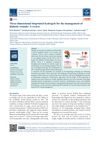
 3D bioprinted hydrogels could improve diabetic wound healing but face challenges like limited blood supply and scalability.
 January 2026 in “Frontiers in Immunology”
 Icariin can regulate macrophages and may help treat inflammation, cancer, bone disorders, and fibrotic diseases.
 December 2025 in “Frontiers in Veterinary Science”
 Liaoning cashmere goats grow more cashmere by boosting fat production, supporting hair structure, and controlling inflammation.
 November 2025 in “Frontiers in Cell and Developmental Biology”
 The study maps goat hair follicle cells, revealing key genes and pathways involved in hair growth and cell death.
 August 2025 in “Fabad Journal of Pharmaceutical Sciences”
 Cuscuta reflexa has potential medicinal benefits but needs more research for clinical use.
 June 2025 in “Medical academic journal”
 Modified liposomes with exosomes effectively deliver RNA to stem cells.
 October 2024 in “Internal Medicine”
 Stopping nalfurafine reversed hair loss in a hemodialysis patient.
 September 2023 in “Ethiopian journal of health sciences”
 Plantain leaf extract reduces liver oxidative stress in malaria-infected mice.
March 2022 in “Biomedical Journal of Scientific & Technical Research” Improving mitochondrial health may help alleviate symptoms like chronic fatigue and depression.

No single biomarker is reliable enough for diagnosing and assessing SLE.

Human hair keratins can be turned into useful 3D biomedical scaffolds through a freeze-thaw process.
 January 2020 in “Asian Journal of Basic Science & Research”
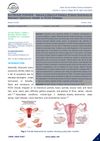
 Nutrease powder, a high-protein, low-carb supplement, can help manage Polycystic Ovary Syndrome symptoms, regulate periods, improve ovulation, and restore fertility.
Wildebeest stress and hormone levels are influenced by food availability, human presence, and reproductive cycles.

Chemicals and stem cells combined have advanced regenerative medicine with few safety concerns, focusing on improving techniques and treatment effectiveness.
 January 2012 in “heiDOK (Heidelberg University)”
 Dormant melanoma cells in mice interact minimally with memory T cells due to a suppressive tumor environment.