 6 citations
,
January 1985 in “ACTA HISTOCHEMICA ET CYTOCHEMICA”
6 citations
,
January 1985 in “ACTA HISTOCHEMICA ET CYTOCHEMICA” Tumor cells in calcifying epithelioma of Malherbe resemble hair follicle cells.
4 citations
,
January 2019 in “Indian Dermatology Online Journal” The term "Porokeratotic Adnexal Ostial Nevus" is suggested as a more appropriate name.
September 2003 in “American Journal of Human Genetics” 1 citations
,
January 2014 in “Turkish Journal of Ophthalmology” Prostaglandin treatments for glaucoma can cause rare eye area changes like eyelid deepening and fat pad prolapse.
 August 2025 in “Ophthalmic Plastic and Reconstructive Surgery”
 Selumetinib significantly reduced tumor size and improved vision in a child with neurofibromatosis type 1.
 September 1995 in “American Journal of Contact Dermatitis”
 Antiyeast treatments work better for seborrheic dermatitis than steroids, and other findings include increased skin bacteria under plastic wrap, a nasal cell defect in Staphylococcus aureus carriers, quick resolution of certain skin reactions, high rubber latex allergy in spina bifida patients, and glyceryl monopentadecanoate's effectiveness for male hair loss.
6 citations
,
December 2015 in “Medicine” Cronkhite-Canada syndrome may be more treatable and less severe than previously thought.
9 citations
,
August 2023 in “Antioxidants” Gelidium corneum seaweed has promising skin health benefits, including UV protection and healing properties.
August 2025 in “Indian Dermatology Online Journal” Early recognition and treatment of EPDS are crucial to prevent permanent hair loss.
 November 2014 in “Springer eBooks”
 Using a patient's own tissue for browlifting can improve both the position and fullness of the brow for a longer-lasting rejuvenation.
January 2010 in “Chinese Journal of Aesthetic Medicine” Melasma skin has more melanin and signs of aging, with strong CK10 expression linked to cell differentiation and aging.
 April 2024 in “Skin health and disease”
 Using a special skin cream with gabapentin helped reduce symptoms of a certain scalp condition but didn't change nerve fibers or skin chemicals.
4 citations
,
September 2015 in “JAAD case reports” Substance P may play a role in the inflammation seen in keratosis follicularis spinulosa decalvans.
 April 2012 in “Journal of the American Academy of Dermatology”
 Clofazimine may be effective for treating ashy dermatosis.
 73 citations
,
April 2010 in “Anais Brasileiros de Dermatologia”
73 citations
,
April 2010 in “Anais Brasileiros de Dermatologia” Dermoscopy helps diagnose and monitor treatment for hair loss from scarring conditions like discoid lupus and lichen planopilaris.
March 2026 in “ACS Omega” The hydrogel significantly speeds up wound healing and improves skin recovery.
5 citations
,
April 2017 in “The journal of investigative dermatology/Journal of investigative dermatology” The gene therapy showed significant wound healing and was safe for treating severe RDEB.
8 citations
,
June 2020 in “The journal of investigative dermatology/Journal of investigative dermatology” A boy's skin fragility and sparse hair were caused by a genetic mutation affecting skin cell adhesion.
 January 2024 in “Revista Dermatológica Centro Uraga”
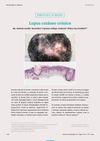
 The patient has Chronic Cutaneous Lupus, a skin condition causing plaques and hair loss.

The hydrogel treatment speeds up healing of diabetic wounds.
 26 citations
,
March 2018 in “Dermatology and Therapy”
26 citations
,
March 2018 in “Dermatology and Therapy” EPC-CM can reduce skin aging signs by boosting the skin's defense system.
19 citations
,
February 2022 in “Journal of Investigative Dermatology” Mechanical stretching can improve or hinder skin regeneration depending on duration.
22 citations
,
August 2011 in “Journal of the American Academy of Dermatology” Topical tacrolimus can effectively treat erosive pustular dermatosis and related hair loss.
25 citations
,
August 1991 in “Journal of Investigative Dermatology” 4 citations
,
October 2024 in “Tissue Engineering and Regenerative Medicine” 
Correcting EDA fibronectin organization and YAP translocation can improve wound healing in fibrotic conditions.
February 1968 in “PubMed”  19 citations
,
April 2019 in “Journal of the European Academy of Dermatology and Venereology”
19 citations
,
April 2019 in “Journal of the European Academy of Dermatology and Venereology” Acne lesions start with changes in hair follicles and increase in inflammation, suggesting a cycle that could affect treatment strategies.
11 citations
,
November 2011 in “The Journal of Dermatology” Connexin-26 gene mutations may increase cancer risk in KID syndrome patients.
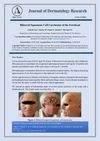
A 70-year-old man with skin cancer on both sides of his forehead was treated with surgery and cryotherapy, highlighting the need for early detection and prevention.