11 citations
,
April 2022 in “Biophysical Journal” Disulfide bonds in keratin fibers break more easily under stress, especially when wet, affecting fiber strength.
8 citations
,
August 2023 in “Journal of Investigative Dermatology” Corin speeds up wound healing by helping skin cells move and grow.
58 citations
,
November 2004 in “The journal of investigative dermatology/Journal of investigative dermatology” The Foxn1 gene is essential for normal nail and hair development.
4 citations
,
May 2020 in “The journal of pediatrics/The Journal of pediatrics” A boy with monilethrix has brittle hair that breaks easily due to a genetic condition, which might improve by puberty.
73 citations
,
January 2016 in “International review of cell and molecular biology” Cornification evolved from keratinization in vertebrates, with differences between mammals and sauropsids.
425 citations
,
August 2002 in “BioEssays” The cornified cell envelope forms a protective barrier in skin and hair, using specific proteins and lipids to maintain effectiveness.
December 2010 in “HAL (Le Centre pour la Communication Scientifique Directe)” The cornea develops independently of the lens, following its own default pathway.
 28 citations
,
February 2012 in “PLoS ONE”
28 citations
,
February 2012 in “PLoS ONE” A PKP1 gene mutation causes skin fragility and hair loss in Chesapeake Bay retriever puppies.
35 citations
,
September 2009 in “Development” Necl2 affects skin cell behavior and slows wound healing.
January 2020 in “Työväentutkimus Vuosikirja” Corneal health relies on cell migration and cooperation with the lacrimal gland, not Bmi1+ cells, and Eda gene mutations can cause dry eye disease.
July 2025 in “PNAS Nexus” A new tool accurately identifies human cornea cell states and key factors.
The skin can still regenerate and function well even with fewer fibroblasts.
 35 citations
,
January 2013 in “The Journal of experimental medicine/The journal of experimental medicine”
35 citations
,
January 2013 in “The Journal of experimental medicine/The journal of experimental medicine” CD98hc's role in skin health decreases with age.
 19 citations
,
May 2016 in “Aging Cell”
19 citations
,
May 2016 in “Aging Cell” Older people's sweat glands are less effective at helping skin wounds heal due to weaker cell connections.
 6 citations
,
August 2012 in “The Journal of Pediatrics”
6 citations
,
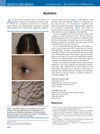
August 2012 in “The Journal of Pediatrics” A 12-year-old girl was diagnosed with monilethrix, a genetic condition causing fragile, beaded hair that breaks easily, with no effective treatment available.
November 2012 in “Transplantation” Large corneum layer cells can cover wounds effectively.
 40 citations
,
July 2015 in “Journal of Cellular Biochemistry”
40 citations
,
July 2015 in “Journal of Cellular Biochemistry” Cysteine helps maintain keratin production in skin cells even when iron is low.
19 citations
,
November 1985 in “Archives of Dermatology” The newborn's skin blisters healed without scarring, leaving some light spots, and stopped forming after four months.
 122 citations
,
June 2002 in “Genes & Development”
122 citations
,
June 2002 in “Genes & Development” Keratin 17 is crucial for early hair strength and cell survival.
A young athlete's fragile hair condition improved by cutting hair and using gentle shampoo.
 73 citations
,
April 2013 in “Stem cells”
73 citations
,
April 2013 in “Stem cells” LGR5 helps maintain corneal cell characteristics and prevents unwanted changes by controlling specific cell signaling pathways.
May 2017 in “Journal of the American Academy of Dermatology” Monilethrix is a rare, inherited condition causing fragile hair and hair loss, with no cure but some treatments may help.
95 citations
,
September 2012 in “Oman Medical Journal” Mutations in keratin genes can cause skin and mucosa disorders.
 May 2015 in “Journal of Investigative Dermatology”
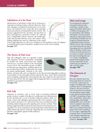
 Melanoma risk tools need improvement, a gene mutation causes a hair disorder that might be treated by managing cell stress, a potential therapy for a skin-ear disorder involves blocking cell channels, skin wrinkling may indicate lung aging regardless of smoking, and oxidative stress might contribute to common baldness.
August 1969 in “Archives of Dermatology” After calciphylaxis, rats showed incomplete skin and hair regeneration, resembling scar tissue with fewer hairs.
72 citations
,
December 2018 in “Journal of Experimental Zoology Part B Molecular and Developmental Evolution” Corneous beta-proteins evolved uniquely in reptiles and birds, forming scales, claws, beaks, and feathers.
June 2023 in “bioRxiv (Cold Spring Harbor Laboratory)” Scientists created cell lines to study a genetic skin disorder using CRISPR technology.
May 2020 in “International Journal of Dermatology and Venereology” Calcified epidermal cysts are rare, hard skin nodules that are best treated with surgical removal.
6 citations
,
November 2023 in “Stem Cell Reports” Stem cells in the cornea show unexpected flexibility and have important implications for medicine.
The chapter explains that there are many genetic skin disorders affecting skin cell formation, including both common and rare types.