14 citations
,
February 2021 in “Open Forum Infectious Diseases” Most COVID-19 patients had lingering symptoms 60 days after leaving the hospital.
January 2022 in “Faculty of 1000 Research Ltd” During COVID-19, Iraqi women experienced more hair loss and skin issues like acne, likely due to stress and mask-wearing.

Topical Minoxidil is effective for hair loss after COVID-19.
4 citations
,
November 2023 in “PLoS ONE” Interest in long-COVID symptoms in Japan increased with COVID-19 case peaks, especially for hair loss, cough, smell/taste issues, and headache.
 May 2022 in “F1000Research”
 During the COVID-19 pandemic, Iraqi women experienced more hair loss and certain skin conditions, while contagious skin infections decreased.
 43 citations
,
July 2020 in “Dermatologic Therapy”
43 citations
,
July 2020 in “Dermatologic Therapy” During the COVID-19 pandemic, a clinic in Turkey saw fewer patients but more cases of certain skin conditions, possibly linked to the virus and stress.
 July 2024 in “Dermatology Practical & Conceptual”
 COVID-19-related hair loss may have unique features compared to hair loss from other causes.
 4 citations
,
March 2021 in “International Journal of Dermatology”
4 citations
,
March 2021 in “International Journal of Dermatology” COVID-19 and related stress may increase hair loss known as Telogen effluvium.
 1 citations
,
January 2023 in “Brazilian Journals Editora eBooks”
1 citations
,
January 2023 in “Brazilian Journals Editora eBooks” Children's screen time increased during the pandemic, causing various health issues.
November 2021 in “Медицинский алфавит” COVID-19 can cause temporary hair loss due to stress and inflammation.
 8 citations
,
February 2022 in “Journal of Clinical Medicine”
8 citations
,
February 2022 in “Journal of Clinical Medicine” Many COVID-19 patients experience temporary hair loss after infection, not linked to infection severity or treatment.
 4 citations
,
October 2022 in “Journal of family medicine and primary care”
4 citations
,
October 2022 in “Journal of family medicine and primary care” Some people in Saudi Arabia experienced hair loss after the COVID-19 vaccine, more often in women and those without prior hair loss.
April 2024 in “Brazilian Journal of Health Review” COVID-19 may trigger hair loss in some people.
 5 citations
,
May 2021 in “International Journal of Infectious Diseases”
5 citations
,
May 2021 in “International Journal of Infectious Diseases” A man experienced hair loss after getting COVID-19, which improved with treatment and might have been triggered by stress related to the illness.
 March 2022 in “Brazilian Journal of Health Review”
 COVID-19 can cause a type of hair loss that usually starts 3-6 months after the illness, and treatment includes stress reduction and hair care products like Minoxidil.
 May 2022 in “Journal of the Egyptian Women's Dermatologic Society (Print)”
 Women's hair loss can be due to hormonal changes and various conditions, with treatments focusing on stopping progression and managing symptoms.
 April 2021 in “International journal of advanced research”
 COVID-19 may cause hair loss conditions like alopecia areata and telogen effluvium.
November 2025 in “The Journal of Dermatology” Minoxidil helps hair regrow faster in stress-related hair loss.
 1 citations
,
August 2020 in “Open Access Macedonian Journal of Medical Sciences”
1 citations
,
August 2020 in “Open Access Macedonian Journal of Medical Sciences” Skin problems like rashes and hair loss can help diagnose and predict COVID-19.
 May 2022 in “Acta Scientific Women's Health”
 A woman lost over 80% of her hair due to a condition called telogen effluvium after having COVID-19.
During COVID-19, Iraqi women saw more hair loss and skin issues like acne due to stress, masks, and hygiene habits.
 9 citations
,
March 2022 in “Frontiers in Immunology”
9 citations
,
March 2022 in “Frontiers in Immunology” Foxp3+ Regulatory T Cells are important for immunity and tolerance, affect hair growth and wound healing, and their dysfunction can contribute to obesity-related diseases and other health issues.
 489 citations
,
November 2021 in “Signal Transduction and Targeted Therapy”
489 citations
,
November 2021 in “Signal Transduction and Targeted Therapy” The JAK/STAT pathway is important in cell processes and disease, and JAK inhibitors are promising for treating related conditions.
7 citations
,
July 2024 in “Frontiers in Immunology” COVID-19 can increase the risk of hair loss, especially in people over 40.
October 2025 in “University of Zadar Institutional Repository” Early hair loss may signal a risk for metabolic syndrome and related health issues.
 June 2025 in “Pharmaceuticals”
 Finasteride use may increase suicidality risk, especially in young men.
July 2023 in “Journal of the European Academy of Dermatology and Venereology” Anti-IL17A therapy reduced venous leg ulcer size by 64% without major side effects.
 February 2026 in “PubMed”
 A personalized nutrition plan improved hair and skin health in a young man.
 32 citations
,
March 2021 in “Journal of cosmetic dermatology (Print)”
32 citations
,
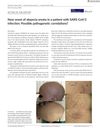
March 2021 in “Journal of cosmetic dermatology (Print)” COVID-19 infection may trigger alopecia areata in some patients.

Stem cell therapies, especially adipose-derived ones, show promise for treating severe COVID-19 and related conditions.