October 2013 in “The American Journal of Gastroenterology” The man's diarrhea was caused by a rare disorder called Cronkhite-Canada syndrome, which improved with specific medications.
 40 citations
,
February 2005 in “Fertility and Sterility”
40 citations
,
February 2005 in “Fertility and Sterility” Some women with PCOS have CYP21 mutations and IRS1 variants, but these genetic factors are not major contributors to PCOS.
91 citations
,
May 2003 in “PubMed” Neuroactive steroids affect cocaine's rewarding effects through the sigma1 receptor.
January 2026 in “Open Veterinary Journal” PUFA-rich oil improves pet hair quality but may raise triglyceride levels.
2 citations
,
January 2023 in “Frontiers in Genetics” Overexpressing ovine β-catenin in mice skin increases hair follicle density and growth.
14 citations
,
January 2022 in “Evidence-based Complementary and Alternative Medicine” Cryptotanshinone may help treat postmenopausal osteoporosis and protect kidneys.
 January 2024 in “LA Referencia (Red Federada de Repositorios Institucionales de Publicaciones Científicas)”
 Carbon Quantum Dots can effectively detect cobalt ions and methylcobalamin in water.
9 citations
,
April 2018 in “Canadian Journal of Animal Science” LEF-1 boosts cell growth in goat hair follicles, aiding cashmere production.
 13 citations
,
June 2010 in “Journal of The American Academy of Dermatology”
13 citations
,
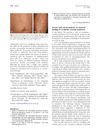
June 2010 in “Journal of The American Academy of Dermatology” A man with Cronkhite-Canada syndrome had all 20 nails detach but improved with treatment.
April 2010 in “Cancer Research” Mcl-1 can activate Wnt signaling in skin cells, promoting growth and possibly cancer.
22 citations
,
September 2014 in “JAMA dermatology” Ichthyosis with confetti is a genetic skin disorder with consistent ectodermal malformations and various KRT10 gene mutations.
29 citations
,
September 1986 in “Journal of the American Veterinary Medical Association” The cat had a pituitary tumor causing hormone imbalance and related health issues.
19 citations
,
May 2016 in “Cytotechnology”  April 2017 in “The journal of investigative dermatology/Journal of investigative dermatology”
 CD101 is highly effective in treating dermatophytosis in guinea pigs.

ACA from Alpinia galanga may prevent testosterone-related hair loss.
 November 2025 in “Zenodo (CERN European Organization for Nuclear Research)”
 Keyora Lycopene 23 in 1 multi-vitamin improves men's reproductive and metabolic health.
 January 2025 in “Nanoscale”
 Boron/nitrogen-doped carbon nano-onions improve targeted breast cancer treatment by enhancing drug delivery and reducing side effects.
 4 citations
,
October 2000 in “Contraception”
4 citations
,
October 2000 in “Contraception” The right dosage of CPA and TB can work as a safe and reversible male contraceptive in monkeys.
 November 2025 in “Zenodo (CERN European Organization for Nuclear Research)”
 Keyora Lycopene 23 in 1 Man's Multi-Vitamin improves male reproductive health and metabolism.
 402 citations
,
August 2011 in “Cancer research”
402 citations
,
August 2011 in “Cancer research” Prostate cancer cells can make their own androgens to activate the androgen receptor, and treatments like abiraterone may increase this ability, suggesting new therapies should target the entire steroid-making pathway.
December 2025 in “Egyptian Journal of Basic and Applied Sciences” FOXA1 and CCL2 genes are more active in women with PCOS, varying by phenotype.
February 2023 in “Reactions Weekly”  22 citations
,
August 2011 in “Journal of Supercritical Fluids”
22 citations
,
August 2011 in “Journal of Supercritical Fluids” Rice bran extract might help prevent hair loss.

Wild African goats have genetic adaptations for surviving harsh desert conditions.
 April 2024 in “JMR. Journal of molecular recognition/Journal of molecular recognition”
 Hydrophilic carbon dots cause one protein to clump more and prevent another from clumping.
 1 citations
,
November 2022 in “Journal of the Endocrine Society”
1 citations
,
November 2022 in “Journal of the Endocrine Society” Adults with classic congenital adrenal hyperplasia value medication that prevents weight gain from glucocorticoids the most.
January 2009 in “Epsilon: Revista de la Sociedad Andaluza de Educación Matemática "Thales"” A CCS patient with severe complications was successfully treated using combined therapies.
October 2025 in “Clinical Chemistry” Juniperus communis extract enhances the effectiveness of oral cancer treatment when combined with chemotherapy.
 December 2005 in “Endocrine-related cancer”
 A woman's adrenal tumor disappeared after treatment with cyproterone acetate.
6 citations
,
August 2024 in “The Journal of Dermatology” Ozenoxacin reduces sebum production, helping manage acne.